Residential Solar
Is GloBird Energy Really the Cheapest Solar Retailer in Sydney?
A guide for Sydney solar homeowners comparing GloBird Energy pricing. Learn how usage, FiTs, and conditions impact if it is the cheapest.
Controlled Load Electricity in NSW: Can it Cut Your Power Bills with Solar?
NSW homeowners can save on electricity bills with controlled load. Learn how it works with solar, suitable appliances, and if it is right for your home.
Demystifying the Daily Supply Charge on Your Sydney Electricity Bill
A guide for Sydney homeowners explaining the daily supply charge on electricity bills, its purpose, impact on costs, and what it funds for the grid.

Decoding Your Australian Energy Bill: Quarterly, Monthly, and Bill Smoothing
A practical guide for Australian homeowners explaining quarterly, monthly, and bill smoothing options to manage energy costs, especially with solar.

The Most Expensive and Cheapest States for Energy Bills in Australia
Typical quarterly bills run $400 to $700 depending on usage and retailer.
Can You Opt Out of a Smart Meter? Understanding the National Electricity Rules
Western Australia and the Northern Territory have their own separate regulatory frameworks, but the general trend towards smart meters is similar.
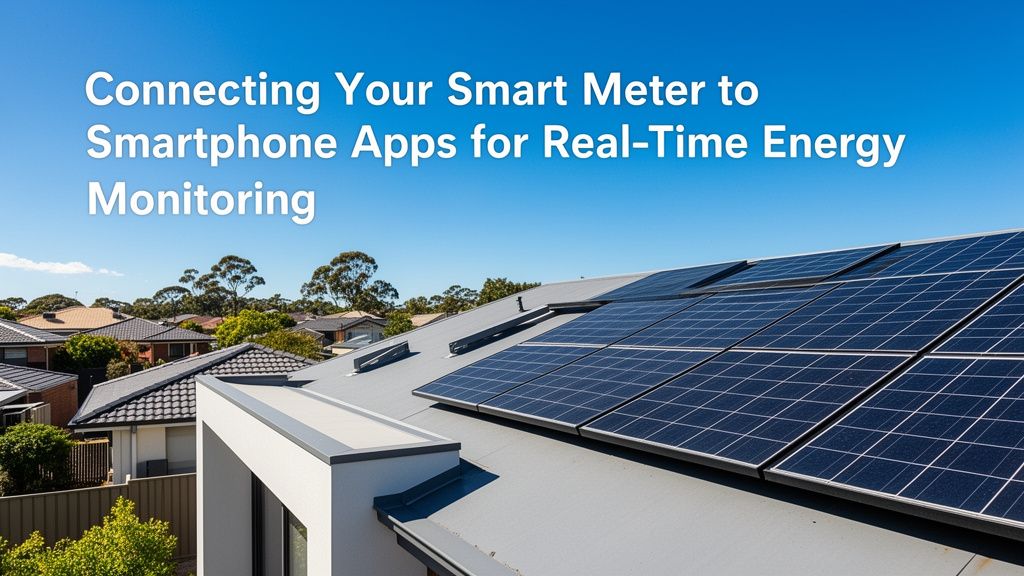
Connecting Your Smart Meter to Smartphone Apps for Real-Time Energy Monitoring
A smart meter records in 30-minute intervals and reports automatically, separating import from export.
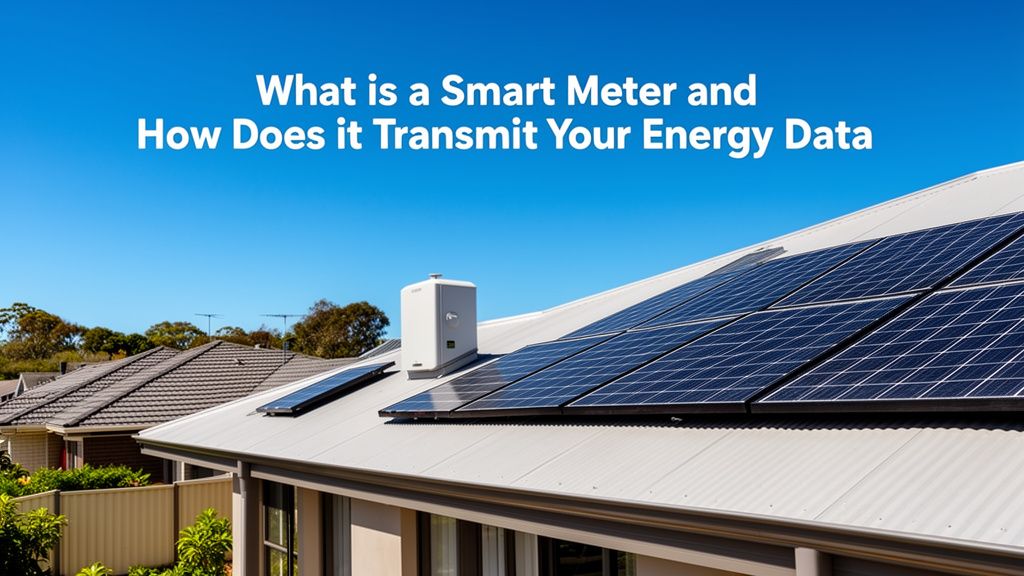
What is a Smart Meter and How Does it Transmit Your Energy Data?
The magic of a smart meter lies in its ability to wirelessly transmit your energy data securely and efficiently.

Comparing Energy Providers: EnergyAustralia vs. Origin Energy
EnergyAustralia wins in some states, Origin in others, and in a couple they are close enough that the perks decide it.

Origin Energy Perks: Are They Worth Switching?
Origin sells on three things that are not the price of electricity: Everyday Rewards points, no lock-in contracts, and a decent app.

Red Energy vs. AGL vs. Origin: Which is Best?
Three retailers come up again and again when Australians switch: Red Energy, AGL and Origin.

AGL's 8c EV Plan: The Overnight Charging Hack Saving Drivers Huge Money
AGL's Night Saver EV plan charges 8c/kWh for electricity used between midnight and 6 am. You pay 8 cents per kilowatt-hour between 12 am and 6 am.