"# SolarInsights: Cracking the Code - Finding the Right Solar Battery Size for Your Aussie Home
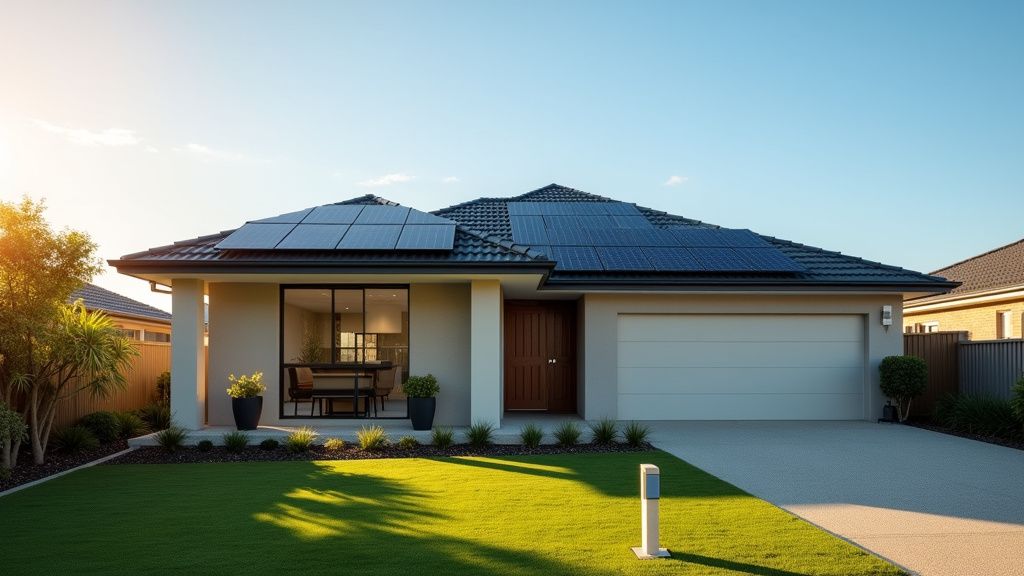
Thinking about adding a battery to your solar setup? Smart move! It can unlock even more savings and energy independence. But with so many options on the market, figuring out the perfect battery size can feel overwhelming. Fear not, mate! This guide will break down the key factors to consider so you can make an informed decision. For a more in-depth look, check out our Complete Guide.
Why Battery Size Matters
Choosing the right size battery isn't just about buying the biggest one you can afford. An oversized battery might sit underutilised, meaning you've wasted money on capacity you're not using. On the flip side, a battery that's too small won't provide enough backup power or allow you to maximise your solar self-consumption.
Understanding Self-Consumption
Before diving into battery sizes, let's talk about "self-consumption". This refers to using the solar energy your panels generate directly in your home, rather than sending it back to the grid. The more you self-consume, the less you need to buy electricity from your retailer, and the faster you recoup your solar investment.
Think of it this way: Electricity from the grid is expensive. When you sell your excess solar energy back to the grid, you only receive a small feed-in tariff. Self-consumption helps you avoid those expensive electricity bills in the first place!
Factors Influencing Battery Size
Several factors come into play when determining the ideal battery size for your home:
-
Solar Panel System Size: The size of your solar panel system is the primary factor. Your panels need to generate enough excess energy to charge the battery. A larger system will generally support a larger battery. If you don't have solar panels yet, consider the size you plan to install.
-
Household Energy Consumption: How much energy do you use daily? Take a look at your electricity bills to get an average daily consumption figure, especially paying attention to your usage in the evenings and overnight when the sun isn't shining.
-
Energy Usage Patterns: When do you use the most energy? Are you a daytime power user, or do you primarily use electricity in the evenings? If your peak usage is after sunset, a battery will be particularly beneficial.
-
Goals for Battery Storage: What are you hoping to achieve with battery storage? Are you primarily interested in saving money on your electricity bills? Or are you more focused on energy independence and having backup power during outages? The best battery size will vary depending on your priorities.
Ballpark Figures: Matching System Size to Battery Size
While the ideal battery size is unique to each household, here's a general guideline to get you started. Note that these are estimates, and a professional solar installer can provide a more accurate assessment:
-
Small Solar System (3-5kW): Typically paired with a 5-7kWh battery. This is a good option for smaller homes with moderate energy consumption.
-
Medium Solar System (5-7kW): Often matched with a 7-10kWh battery. This size suits average-sized homes with average energy usage.
-
Large Solar System (7-10kW+): May require a 10kWh+ battery. Larger systems can support larger batteries, providing greater energy independence and backup power.
Optimising for Savings vs. Energy Independence
It's crucial to consider whether you're aiming for maximum cost savings or greater energy independence.
-
Cost Savings: If your primary goal is to reduce your electricity bills, you'll want to choose a battery size that allows you to store most of your excess solar energy during the day and use it in the evening. A slightly smaller battery might be more cost-effective in this scenario.
-
Energy Independence: If you prioritize having backup power and being less reliant on the grid, you'll likely need a larger battery. This will allow you to store enough energy to power your essential appliances during extended outages or periods of low solar production. Keep in mind that this approach may be more expensive and have a longer payback period.
The Importance of Professional Advice
Determining the right solar battery size is complex and requires a thorough understanding of your energy needs and solar generation potential. Always consult with a qualified solar installer who can assess your specific situation and recommend the optimal battery size for your home. They can also advise on the best battery chemistry (e.g., lithium-ion, lead-acid) for your needs and budget.
New Government Rebates and Battery Sizing
With the introduction of the Federal Government's "Cheaper Home Batteries Program" from July 1, 2025, proper sizing is crucial. Rebates often apply only to usable battery capacity within a specific range (e.g., 5kWh to 50kWh). Oversized or undersized systems might miss out on these valuable incentives. Be sure to discuss rebate eligibility with your installer to ensure your system design aligns with both your energy needs and rebate requirements.
In Conclusion
Finding the right solar battery size is essential for maximizing the benefits of your solar investment. By considering your solar panel system size, energy consumption patterns, and goals for battery storage, you can make an informed decision that saves you money and provides greater energy independence. And remember, always seek professional advice to ensure you get the perfect fit for your home!