Powering Your Home: Choosing the Right Battery Size for Your 10kW Solar System
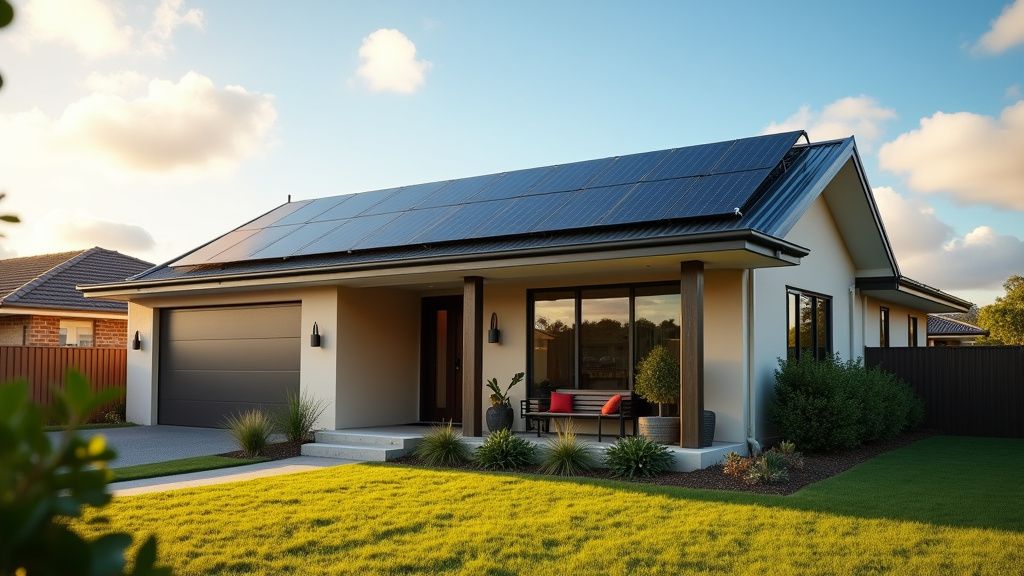
G'day, solar enthusiasts! If you've got a 10kW solar system pumping out the clean energy, you're likely wondering about the next step: battery storage. Adding a battery lets you store that excess solar power generated during the day and use it at night, reducing your reliance on the grid and potentially saving you big bucks on your electricity bills. But figuring out the right battery size for a 10kW inverter can feel like navigating a bush track in the dark. Don't worry, SolarInsights is here to shed some light on the topic.
Why Battery Size Matters
Before diving into the numbers, let's quickly recap why battery size is so crucial.
- Maximising Self-Consumption: The core benefit of a Solar Battery is increased self-consumption. Instead of selling excess solar energy back to the grid at a lower feed-in tariff, you store it for your own use.
- Cost Savings: By using stored solar power instead of grid electricity, you reduce your electricity bills.
- Energy Independence: A well-sized battery can provide a degree of energy independence, especially during blackouts or periods of peak demand.
- Future-Proofing: With electricity prices on the rise, investing in battery storage now can protect you from future price shocks.
The Tricky Question: What Size Battery Do I Need?
Unfortunately, there's no one-size-fits-all answer. Determining the ideal battery size for a 10kW inverter depends on a few key factors:
- Your Energy Consumption: How much electricity do you use daily? This is the most crucial factor. Look at your past electricity bills to get an average daily usage figure.
- Your Energy Usage Patterns: When do you use the most electricity? Is it mainly during the day, when your solar panels are generating power, or in the evening and at night?
- Your Solar System's Output: A 10kW system generates a significant amount of power, but the actual output depends on factors like your location, roof orientation, and weather conditions.
- Your Goals: Are you primarily looking to save money, achieve energy independence, or have backup power during outages?
- Government Incentives: Are there any government rebates or incentives available for battery installations in your state or territory? These may have specific requirements for battery size.
General Guidelines for Battery Size
While individual circumstances vary, here's a general rule of thumb for pairing a battery with a 10kW inverter:

- For Basic Self-Consumption (Lower Energy Needs): If your household has relatively low energy consumption (e.g., a small family or a couple), a battery size of 5kWh to 10kWh might be sufficient. This will allow you to store some of your excess solar energy and use it during peak evening hours.
- For Moderate Energy Needs: For a typical family with moderate energy consumption, a battery size of 10kWh to 15kWh is often a good starting point. This provides a larger storage capacity, allowing you to cover a significant portion of your nighttime electricity needs.
- For High Energy Needs (Energy Independence): Households with high energy consumption, those seeking greater energy independence, or those who want backup power during outages may benefit from a larger battery, such as 15kWh to 20kWh or more. However, be aware that larger batteries come with a higher upfront cost, and the payback period may be longer.
Example Scenarios
Let's look at a few hypothetical scenarios:
- Scenario 1: Small Family, Working During the Day: A family of three where both parents work during the day might have relatively low energy consumption during daylight hours. A 7kWh to 10kWh battery could be sufficient to store the excess solar energy and power their evening appliances.
- Scenario 2: Large Family, Working from Home: A larger family with one or more members working from home will likely have higher daytime energy consumption. A 12kWh to 15kWh battery would be a better fit to capture enough excess solar power to offset evening and nighttime usage.
- Scenario 3: Energy Independence Seeker: A household prioritising energy independence might opt for a 15kWh to 20kWh battery to maximise their self-reliance and potentially weather longer power outages.
Avoiding Oversizing and Undersizing
It's crucial to avoid both oversizing and undersizing your battery:
- Oversizing: A battery that's too large will be underutilised, meaning it won't fully charge and discharge regularly. This can lead to a poor return on investment, as you're paying for capacity you're not using.
- Undersizing: A battery that's too small won't capture enough of your excess solar energy, limiting your self-consumption and cost savings.
Getting Expert Advice
The best way to determine the optimal battery size for your 10kW system is to consult with a qualified solar installer. They can assess your energy needs, evaluate your solar system's performance, and recommend a battery size that aligns with your goals and budget. They can also advise you on any available government incentives.
The Future is Bright
Investing in a Solar Battery can significantly enhance the benefits of your 10kW solar system. By carefully considering your energy needs, usage patterns, and goals, you can choose a battery size that maximises your self-consumption, reduces your electricity bills, and moves you closer to energy independence. So, do your research, get expert advice, and embrace the power of solar!