TL;DR: Finding the best solar feed-in tariff (FiT) in New South Wales involves comparing daily supply charges, usage rates, and contract terms. Because higher FiT rates often come with inflated base charges, utilizing transparent comparison tools is vital for true residential energy savings.
What is a Solar Feed-in Tariff?
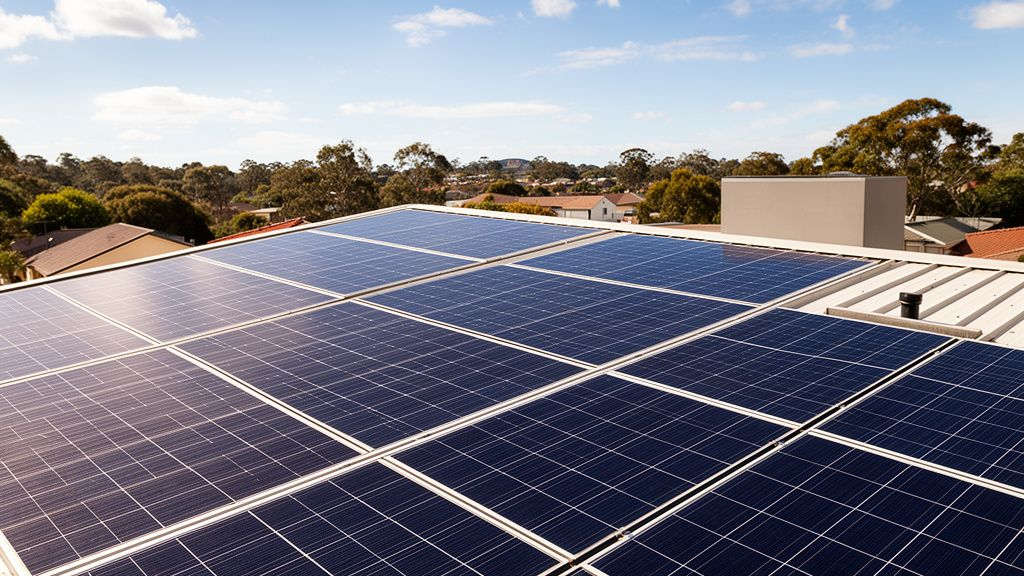
A solar feed-in tariff (FiT) is the ongoing payment or credit made to residential solar system owners for the excess electricity their system generates and sends back into the local electricity grid. Expressed as a rate per kilowatt-hour (c/kWh), these tariffs serve as a primary mechanism for household solar owners to lower their monthly energy bills and offset their initial system installation costs.
However, finding the most cost-effective solar plan can be incredibly difficult for consumers. The retail electricity market in New South Wales is highly saturated and complex, with at least 21,000 distinct electricity plans available for residential energy consumers.
Sifting Through Retailer Energy Plans
To help NSW residents identify the best value, Huglo compares plans from every electricity provider offering a solar feed-in tariff in New South Wales. These calculations include plans in major distribution networks, including Ausgrid, Essential Energy, and Endeavour Energy.
Huglo ranks plans by the cheapest overall cost rather than relying on retailer referral fees. Although some electricity retailers pay referral fees to be featured, these commercial arrangements do not influence how energy data is analyzed or displayed. All calculations are updated nightly to ensure consumers see real-time, accurate pricing.
When evaluating a solar plan, looking solely at the highest advertised feed-in tariff rate can be misleading. Many electricity retailers artificially inflate daily supply charges and usage rates in plans that feature very high solar feed-in tariffs. To find the true cheapest option, energy bills must be calculated using a combination of:
- Daily supply charges: The fixed daily cost of staying connected to the electricity grid.
- Electricity usage costs: The variable rates charged per kilowatt-hour of energy consumed from the grid.
- Solar feed-in tariffs: The credit received for exported solar power.
- Membership fees: Any ongoing account fees required by the retailer.
The Structure of the National Electricity Market (NEM)
To understand how solar power moves from a home into the grid, it is helpful to look at the National Electricity Market (NEM). The NEM is one of the largest interconnected electricity networks in the world, spanning approximately 40,000 kilometers of transmission lines and cables to supply electricity to around 9 million residential and commercial customers.


The NEM facilitates the flow of electricity between generators and retail providers, who then sell that power to homes and businesses. High-voltage transmission lines move the bulk power from generators to regional electricity distributors. These distributors are responsible for delivering the power down to individual homes and businesses via lower-voltage local poles and wires.
The NEM is divided into 13 distinct regions. Ausgrid is one of these regional networks, spanning 22,275 square kilometres across Sydney, the Central Coast, and the Hunter Valley.
Managing Your Energy Provider Contract
As a residential energy user in New South Wales, your contract is held with a retailer, who is responsible for billing your electricity usage and crediting your solar exports. If there is a physical disruption to your energy supply—such as a localized blackout or a fallen powerline—the retailer does not handle this. Physical network delivery and emergency maintenance are managed directly by your regional distributor, such as Ausgrid.
Because the retail energy market is highly competitive, companies change their pricing frequently. The vast majority of standard retail electricity contracts are "evergreen" agreements. Under an evergreen contract, the energy retailer is permitted to revise their pricing structure at any time, provided they give the household at least one month's notice of the changes. This pricing model means solar owners must monitor the retail market regularly to ensure their solar feed-in tariff, daily supply fees, and usage rates remain competitive.
Key Takeaways
- Avoid the High FiT Trap: Retailers often increase daily supply charges and energy usage rates to compensate for high advertised solar feed-in tariffs.
- Evergreen Contracts Require Monitoring: Most electricity contracts allow retailers to change rates at any time with a minimum of one month's notice, requiring homeowners to regularly compare options.
- Total Cost Calculation: True solar value is calculated by combining daily supply charges, usage rates, membership fees, and feed-in tariff credits.
- Retailer vs. Distributor: Retailers manage billing, plans, and solar credits, whereas regional distributors (like Ausgrid in its 22,275 sq km zone) own and maintain the physical poles and wires.


