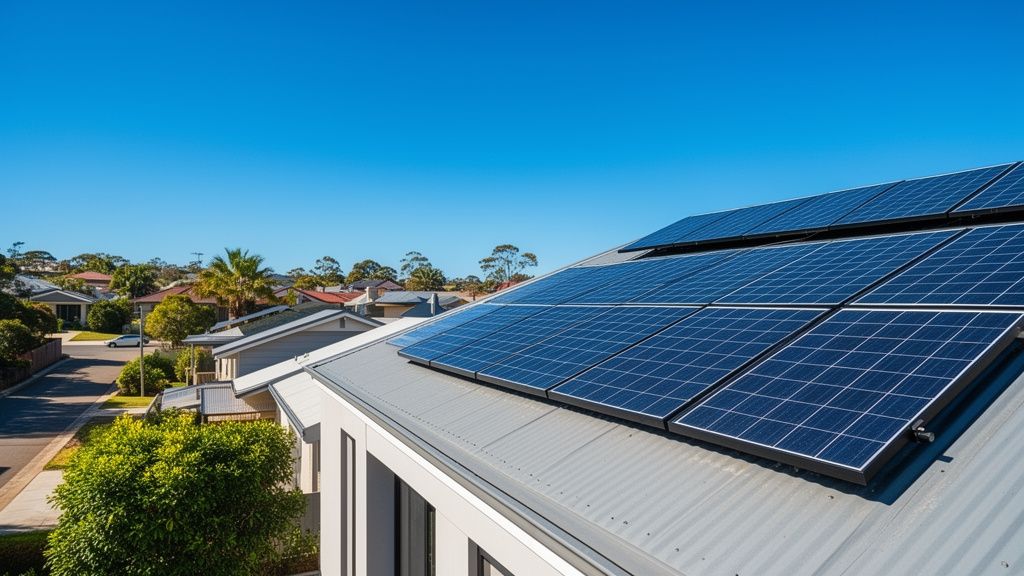
TL;DR: An energy audit is crucial before installing solar as it identifies inefficiencies, allowing you to reduce overall consumption first. This ensures your solar system is optimally sized for your actual needs, maximising savings and accelerating your return on investment.
Why Should You Conduct an Energy Audit Before Investing in Solar?
You should conduct an energy audit before investing in solar to identify and eliminate unnecessary energy waste, ensuring your future solar system is perfectly tailored to your optimised consumption, not your current inflated usage. Many Aussie homeowners jump straight to solar, only to find they're still overpaying for power because their underlying energy habits and home efficiencies haven't been addressed. A comprehensive audit uncovers these hidden energy drains, from leaky windows to inefficient appliances, giving you the power to significantly reduce your baseline demand even before the first solar panel is installed. This proactive approach ensures your solar investment is far more effective and cost-efficient.
Identifying Energy Guzzlers in Your Home
An energy audit meticulously pinpoints where your home is losing energy or using it inefficiently. This often involves inspecting insulation levels in ceilings, walls, and floors, checking for draughts around doors and windows, and evaluating the efficiency of major appliances like refrigerators, air conditioners, and hot water systems. Auditors might use thermal imaging cameras to visualise heat loss and conduct blower door tests to measure air leakage. They'll also review your historical electricity bills to understand usage patterns and identify peak demand times. This detailed analysis allows you to prioritise which improvements will deliver the biggest savings, such as upgrading an old, power-hungry fridge.
How Reducing Demand Optimises Solar System Sizing
Reducing your overall energy demand directly impacts the size and cost of the solar system you'll need. If you can shave 20-30% off your energy consumption by insulating, draught-proofing, or upgrading appliances, you might find you only need a 5kW system instead of a 6.6kW one. A smaller system means lower upfront installation costs, which for a typical Aussie home could save you anywhere from $1,500 to $3,000 or more, depending on the system size difference. More importantly, it ensures that a greater proportion of the electricity your panels generate is actually used within your home, reducing reliance on expensive grid power and maximising your financial return.
What Does an Australian Energy Audit Involve and How Much Does It Cost?
An Australian energy audit typically involves a qualified assessor examining your home's energy consumption patterns, structural integrity, and appliance efficiency to provide tailored recommendations, with costs generally ranging from $300 to $800, though some states offer rebates. The process begins with a detailed review of your historical electricity bills, often spanning 12-24 months, to understand your household's typical energy profile. The assessor then conducts an on-site inspection, covering everything from insulation and window quality to heating/cooling systems, lighting, and major appliances, identifying thermal bridges and air leaks that contribute to wasted energy.
The Audit Process: From Assessment to Recommendations
The audit process is thorough and systematic. After reviewing your bills, the assessor physically inspects your property, taking photos and measurements. They might use specialised equipment like thermal cameras to identify heat loss or gain, and may conduct a blower door test to measure the airtightness of your home, quantifying draughts and leaks. Beyond the physical structure, the auditor discusses your lifestyle habits, such as thermostat settings and appliance usage. The resulting report details current energy usage, highlights key areas for improvement, and provides a prioritised list of actions – from simple behavioural changes to significant retrofits – complete with cost-benefit analyses.
Typical Costs and Potential Government Rebates
The cost of an energy audit in Australia can vary, usually falling between $300 and $800 depending on home size and audit detail. A basic visual assessment is at the lower end, while a comprehensive audit with thermal imaging and blower door tests will be higher. Crucially, check for state-specific incentives, as some Australian states or territories occasionally offer rebates or subsidies to offset the cost of energy efficiency assessments. For example, Victoria's Residential Efficiency Scorecard or NSW's Home Energy Assessors often provide pathways for support, making this crucial first step more accessible for families looking to go solar.


How Does an Energy Audit Boost Your Solar ROI and Payback Period?
An energy audit significantly boosts your solar return on investment (ROI) and shortens the payback period by ensuring your solar system is perfectly sized for your actual, reduced energy needs, leading to maximum self-consumption and minimal reliance on grid electricity. By reducing overall energy demand first, you avoid installing an unnecessarily large and expensive solar system. This means your initial capital outlay for solar is lower, and every kilowatt-hour (kWh) generated is effectively used within your home, directly offsetting expensive grid power. This immediate reduction in imported electricity charges, combined with a lower upfront solar cost, dramatically improves your financial returns and accelerates profitability.
Maximising Your Feed-in Tariff Earnings
While reducing demand means you'll export less power overall, an optimised system ensures that the power you do export is truly surplus, not energy from an oversized system. By meeting most of your reduced energy needs directly from your panels, you maximise self-consumption, which is always more valuable than selling power back to the grid for typical Australian feed-in tariffs (FiTs) that often range from 5c/kWh to 15c/kWh. If you pay 30c/kWh for grid power, using your own solar saves 30c, while exporting only earns a fraction. An energy audit helps strike this perfect balance, making every watt count.
Ensuring Your Solar System is Future-Proof
Investing in an energy audit before solar helps future-proof your energy solution. As energy prices continue to rise in Australia, an efficient home paired with an appropriately sized solar system will always be more resilient. Furthermore, if you plan on adding a battery storage system down the track, an optimised energy consumption profile means you'll need a smaller, less expensive battery to store your daily surplus, further reducing costs. An audit also considers your long-term plans, like adding an electric vehicle (EV) or upgrading appliances, allowing for a solar system that accommodates future demands without costly overhauls.
Key Takeaways
- An energy audit is essential before solar installation to identify and eliminate energy waste in your home, preventing the need for an oversized system.
- Audits uncover issues like poor insulation, draughts, and inefficient appliances, allowing you to reduce your overall energy demand significantly.
- Reducing demand first leads to a smaller, less expensive solar system, improving your return on investment and shortening the payback period.
- Typical audit costs range from $300-$800 in Australia, with potential state government rebates available to reduce this expense.
- An optimised solar system maximises self-consumption, which is more financially beneficial than exporting excess power for low feed-in tariffs.
Read More
For a comprehensive overview, check out our master guide: Read the Full Guide Here.


