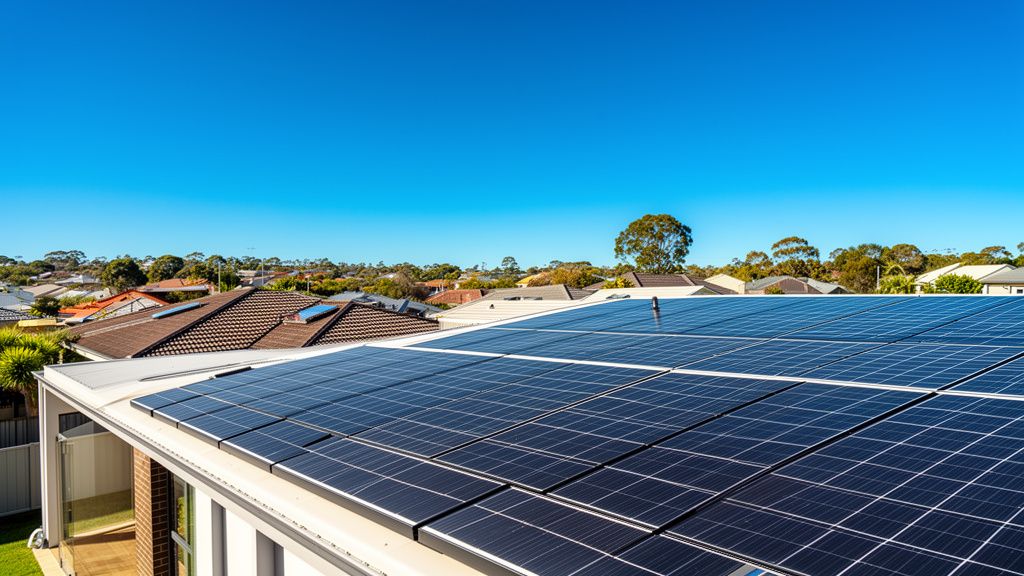
TL;DR: Preparing for solar panel installation involves assessing your roof's suitability, understanding local council approvals and government incentives like STCs, and selecting a reputable installer. Proper planning ensures a smooth process, optimises system performance, and maximises your long-term energy savings.
What Key Factors Determine Your Roof's Suitability for Solar Panels?
The suitability of your roof for solar panels hinges on several crucial factors including its orientation, pitch, available space, and shading from surrounding structures or trees. Assessing these early helps determine your system's potential energy generation and overall efficiency, setting the foundation for a successful solar investment. A thorough site inspection by your chosen installer will identify any potential challenges and recommend the best solutions to maximise your home's solar potential. This initial assessment is critical to prevent surprises down the track and ensure your system performs as expected, helping you save big on those hefty power bills.
Evaluating Roof Orientation and Pitch for Optimal Sunlight
For homes in Australia, a north-facing roof is generally ideal for solar panels as it receives the most direct sunlight throughout the day, leading to maximum energy production. East and west-facing roofs are also viable options, offering good morning and afternoon generation respectively, which can align well with household peak usage times, especially if you're an early riser or late finisher. The optimal roof pitch for maximum annual energy production in Australia typically ranges from 20 to 30 degrees, allowing panels to capture sunlight effectively without significant self-shading. While perfect conditions aren't always possible, modern solar technology and sophisticated design software can often mitigate less-than-ideal orientations or pitches, ensuring a decent return on investment.
Assessing Available Space and Potential Shading Issues
Beyond orientation, you need sufficient unobstructed roof space to accommodate the desired number of panels for your system size. For instance, a common 6.6kW system might require around 20-22 panels, needing about 35-40 square metres of clear roof space. Critically, any shading from nearby trees, chimneys, satellite dishes, or even neighbouring buildings can drastically reduce a panel's output, impacting the entire string in older systems. Installers will perform a detailed shade analysis to identify potential issues and recommend solutions, such as micro-inverters or power optimisers. These technologies allow individual panels to perform independently, minimising the impact of shade and ensuring your system generates the maximum possible power, even with partial shading.
What Permits and Financial Incentives Should Australian Homeowners Consider?
Before any installation begins, understanding the necessary permits from your local council and identifying available financial incentives is crucial for a compliant and cost-effective solar project in Australia. Navigating these administrative and financial landscapes can significantly influence your overall investment and payback period, ensuring you get the most bang for your buck. These steps are integral to a seamless transition to clean energy and avoiding any unexpected hurdles.
Navigating Local Council Approvals and Grid Connection
Most solar panel installations in Australia require approval from your local council, particularly for larger systems or properties in heritage overlays. These approvals ensure the installation meets building codes, structural integrity requirements, and sometimes aesthetic guidelines to maintain neighbourhood character. Additionally, connecting your new solar system to the grid requires approval from your Distributed Network Service Provider (DNSP), such as Jemena in Victoria or SA Power Networks in South Australia. This process verifies that your system meets safety standards and won't negatively impact the local electricity network. Your chosen Clean Energy Council (CEC) accredited installer typically handles these applications on your behalf, but it's wise to be aware of the process and any associated fees or timelines, which can sometimes add a few hundred dollars to the project.
Understanding Government Rebates and Feed-in Tariffs
Australian homeowners benefit significantly from the Small-scale Renewable Energy Scheme (SRES), which provides Small-scale Technology Certificates (STCs) as an upfront discount on your solar system cost. The value of STCs fluctuates but can reduce the cost of a typical 6.6kW system by a substantial $3,000 to $4,000. Beyond STCs, some state governments offer additional incentives, such as interest-free loans or further rebates, so it’s essential to check what’s available in your state (e.g., the New South Wales Net Zero Infrastructure Fund or the Queensland Climate Smart Energy Savers program). Furthermore, once your system is operational, you'll earn a feed-in tariff (FiT) for any excess electricity you export back to the grid, directly reducing your electricity bill. FiTs vary by retailer and state, typically ranging from 5c to 12c per kWh, so comparing offers is a smart move.


How Can You Best Prepare Your Home and Engage with Your Chosen Installer?
Effective preparation of your home and a clear line of communication with your solar installer are paramount to ensuring a smooth, efficient, and successful solar panel installation project. This includes basic site preparation, understanding access requirements, and having essential information readily available to your installation team. Being prepared helps your installer work efficiently and minimises disruptions to your daily routine, getting you to solar power faster.
Preparing Your Property for Installation Day
On installation day, the solar team will need clear and safe access to your roof, meter box, and the planned inverter location. This means ensuring pathways around your house are free of obstructions, gardens are tidy, and any pets are secured indoors to prevent accidents. If your existing meter box needs an upgrade to safely handle the solar connection, your installer will usually advise you of this beforehand. This might incur additional costs, typically ranging from $500 to $1,500 depending on the complexity and age of your current switchboard. It's also a good idea to clear a path from where their vehicles will park to the work areas to facilitate easy movement of heavy equipment and panels. Consider informing neighbours of the upcoming work, as there might be some noise or temporary inconvenience.
Essential Information to Share with Your Installer
To facilitate a seamless installation, be ready to provide your installer with crucial information. This includes recent electricity bills (to allow them to assess your consumption patterns and current tariff rates accurately), details of any existing solar components if you're upgrading or expanding, and any specific structural information about your roof or building plans if available. Discuss your energy goals openly, such as aiming for specific offset percentages or future electric vehicle charging, so they can tailor the system design to meet your long-term needs. Open communication about your expectations and any potential concerns helps the installer anticipate challenges and ensures the final system perfectly matches your requirements. Confirming an estimated timeframe for installation and what to expect post-installation, including commissioning, is also vital.
Key Takeaways
- Thoroughly assess your roof's orientation, pitch, and shading to ensure maximum solar energy generation.
- Understand local council permits and grid connection approvals, which your installer typically manages.
- Leverage Australian government incentives like STCs and state-specific rebates to reduce upfront costs.
- Prepare your property for installation day by ensuring clear access and securing pets.
- Provide your installer with accurate electricity usage data and communicate your energy goals clearly for an optimised system.