What's the Average Electricity Bill in Your Australian State?
The sight of your electricity bill landing in the mailbox (or inbox) can often feel like a shock, especially as energy costs continue to fluctuate across Australia. For many households, it's one of the biggest ongoing expenses. But have you ever wondered how your bill compares to the average in your state, and more importantly, what you can do to bring it down?
Understanding the average electricity bill in your Australian state is the first step towards taking control of your energy future. While these figures are estimates and can vary wildly based on household size, energy consumption habits, tariff structures, and specific retailer plans, they provide a valuable benchmark. This isn't just about comparing numbers; it’s about identifying opportunities, particularly through the power of solar energy, to make a real difference to your budget and the planet.
Why Electricity Bills Aren't One-Size-Fits-All
Before we dive into state-by-state averages, it's crucial to understand why there’s such a disparity. Electricity bills are influenced by a myriad of factors:
- Network Charges: The cost of maintaining poles, wires, and other infrastructure varies significantly by state and region.
- Wholesale Energy Costs: The price retailers pay for electricity from generators fluctuates based on demand, generation mix (coal, gas, renewables), and market conditions.
- Government Policies & Regulations: State-specific schemes, subsidies, and retail market regulations play a big role.
- Usage Habits: Your household’s actual consumption – how much you run your air conditioning, heating, pool pump, or even leave lights on – is the biggest individual factor.
- Tariff Structures: Whether you're on a flat rate, time-of-use, or controlled load tariff impacts your final cost.
Now, let's explore the estimated average quarterly electricity bills across Australia, keeping in mind these are approximate figures for a typical 3-4 person household without solar, and should be used as a guide only.
New South Wales (NSW)
As Australia’s most populous state, NSW sees a wide range of electricity usage. Average quarterly bills for a standard household often sit in the $450 - $550 range. Sydney and regional areas can have different network charges. NSW has a competitive retail market, offering choice, but prices remain a concern for many. Solar adoption here is strong, with homeowners significantly reducing their reliance on grid power and capitalising on abundant sunshine.
Victoria (VIC)
Victoria’s electricity market is also highly competitive, and it's seen some of the most significant shifts towards renewables. Average quarterly bills typically hover around $380 - $480. Victorian households are increasingly embracing solar, supported by state-based rebates that make the transition more affordable, driving down grid consumption and maximising savings.
Queensland (QLD)
With its warm climate, air conditioning usage can significantly impact Queensland bills, especially during summer. Average quarterly bills for a typical household often range from $450 - $550. Regional Queensland, particularly north of Brisbane, can sometimes see higher costs. The Sunshine State is a prime candidate for solar, with excellent solar irradiance throughout the year, making it an incredibly effective investment to offset those cooling costs.
South Australia (SA)
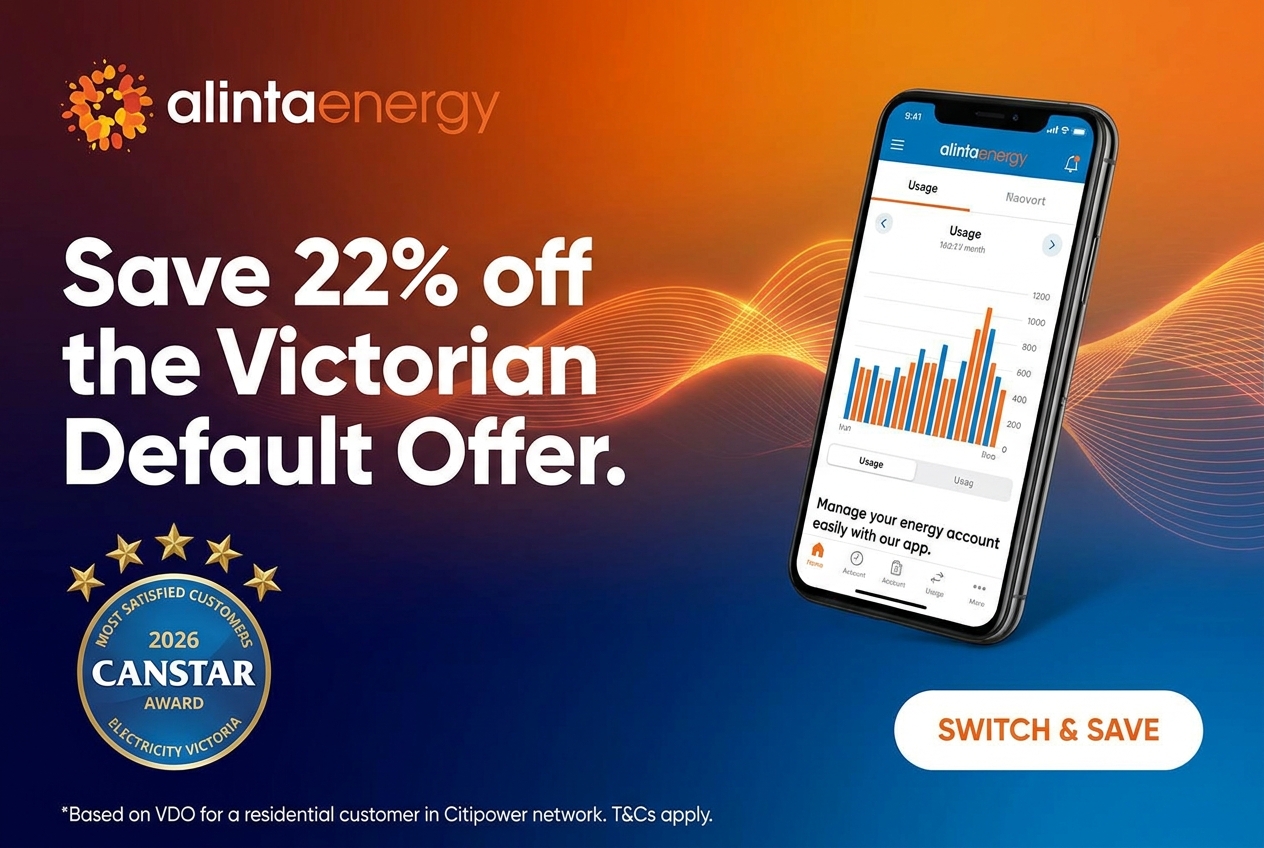

Historically, South Australia has often had some of the highest electricity prices in the country due to network costs and a reliance on gas generation. Average quarterly bills can be in the $550 - $650 bracket. This makes the financial incentive for solar incredibly compelling in SA, where many households have already turned to rooftop PV to achieve substantial savings and greater energy independence.
Western Australia (WA)
Western Australia’s electricity market is largely state-owned and regulated by Synergy in the south-west interconnect system (SWIS). Average quarterly bills are often around $420 - $520. While prices are somewhat more stable due to regulation, they still represent a significant expense. WA's sunny climate is perfect for solar, and many residents are installing systems to take advantage of the generous sunshine and reduce their grid dependency.
Tasmania (TAS)
Tasmania’s electricity supply is predominantly hydro-powered, giving it a unique energy profile. Average quarterly bills for a typical household often range from $480 - $580. Despite its cooler climate, heating can be a major power draw. Solar is becoming an increasingly popular option in Tasmania, helping to reduce reliance on grid power and providing significant savings even with shorter daylight hours in winter.
Australian Capital Territory (ACT)
The ACT has a strong commitment to renewable energy, aiming for 100% renewable electricity. Average quarterly bills for residents are generally in the $380 - $480 range. The territory has various incentives for solar and battery storage, encouraging homeowners to contribute to its renewable energy goals while enjoying lower electricity bills.
Northern Territory (NT)
The Northern Territory, with its extreme heat, often sees high electricity consumption for cooling. Average quarterly bills can be quite high, sometimes in the $550 - $650 range, though some households benefit from various concessions. The NT is a solar powerhouse, with an abundance of intense sunlight making solar PV an exceptionally effective solution for significantly reducing those hefty cooling costs.
How Solar Power Transforms Your Bill
Regardless of your state's average, one thing is universally true: solar power dramatically reduces your electricity bill. By generating your own clean energy, you instantly offset the power you would otherwise buy from the grid. Any excess electricity you produce can often be fed back into the grid for a feed-in tariff, further reducing your costs or even earning you credits. This shift from being a passive consumer to an active producer of electricity fundamentally changes your relationship with energy companies, giving you more control and predictability over your household budget.
Beyond the Average: Taking Control
These averages are just a guide. Your specific bill will always depend on your unique circumstances. However, they highlight a clear truth: electricity costs are a substantial and ongoing expense for Australian households. The most powerful way to move beyond worrying about the average, and instead focus on your own savings, is by embracing solar energy. It's an investment that pays dividends, not just in financial savings but also in environmental benefits and energy independence.
Ready to find out exactly how much you can save and stop comparing your bill to the average, but rather setting a new, lower average for yourself? Explore solar options tailored for your home and start enjoying the sunshine savings.
Read More
For a comprehensive overview, check out our master guide: Read the Full Guide Here.