TL;DR: Australia's clean energy transition relies heavily on mid-scale, distribution-connected projects (up to 5MW) funded by programs like the CEFC's $100 million DCAP, alongside zero-interest community revolving funds managed by CORENA. These mechanisms bypass grid bottlenecks and empower local commercial and non-profit organizations.
The Clean Energy Finance Corporation and the Missing Middle
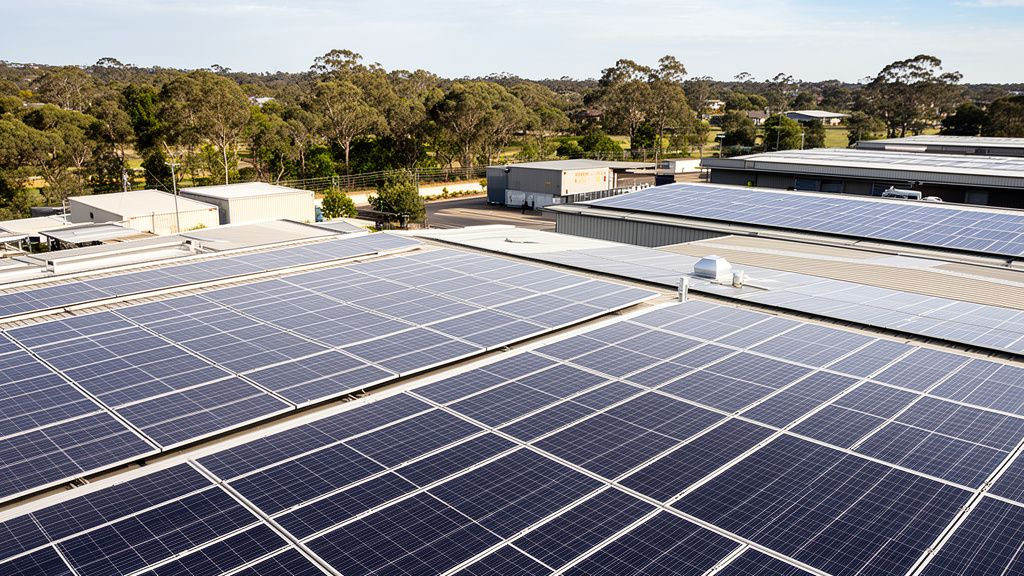
Australia's transition to a renewable-based energy system is often associated with large-scale wind and solar farms. However, smaller, distribution-connected projects play a critical role in this shift. These mid-scale projects (typically up to 5 megawatts in capacity) are often called the "missing middle" because they sit between residential rooftop systems and utility-scale installations.
To support this segment, the Clean Energy Finance Corporation (CEFC) committed $100 million to Infradebt, a specialist debt fund manager. This funding supports the Distribution Connected Accelerator Program (DCAP). The DCAP program is designed to reduce financial barriers for mid-scale projects by providing concessional senior debt financing. This $100 million commitment builds on a previous $150 million CEFC investment with Infradebt, helping developers move their projects forward.
Bypassing Transmission Bottlenecks
One of the main advantages of mid-scale, distribution-connected projects is their ability to move from planning to active operation much faster than utility-scale projects. Large solar and wind farms often face transmission bottlenecks and delays when trying to connect to the national grid.
In contrast, smaller projects (under 5MW) connect directly to local distribution networks. By leveraging existing network capacity, these projects bypass transmission bottlenecks and make use of latent network space. The DCAP program expects to finance the development of up to 16 hybrid solar, battery, and battery retrofit projects, creating a pipeline of assets ready to begin construction by 2027.
Community-Driven Finance: The CORENA Revolving Energy Fund
While the CEFC focuses on mid-scale commercial projects, community-scale initiatives are funded through innovative non-profit models. CORENA (Community Revolving Energy Fund) uses public donations to provide zero-interest loans to non-profits, community groups, and social enterprises. These loans help these organizations pay for energy efficiency upgrades, solar installations, and fossil-fuel-free equipment.
As community organizations pay back their interest-free loans using their utility savings, the money flows back into the revolving fund to finance new projects. As of August 2026, CORENA’s revolving fund has achieved the following results:
- Total Project Donations Received: $1,023,302
- Total Project Loans Administered: $2,003,268
- Solar Capacity Funded: 1,383 kW
- Battery Storage Funded: 168 kWh
- Grid Electricity Avoided: 8,443 MWh
- Carbon Emissions Avoided: 5,902 tonnes
CORENA supports a wide range of climate projects, including solar panels, battery systems, energy efficiency audits, lighting retrofits, heating and cooling upgrades, heat pump hot water systems, induction cooktops, and electric vehicles (such as community cars, buses, and delivery vans).
Economic and Operational Impacts on Non-Profits
For volunteer-run organizations and non-profits, energy costs represent a significant portion of their operating expenses. Transitioning to clean energy allows these groups to lower their bills and redirect funds back into their core community programs.
For example, Barnardos South Coast Children’s Family Centre used a CORENA loan to transition away from coal-fired grid power. According to Manager Maria Corsiglia, this project lowered their operating costs, allowing them to dedicate more funds to supporting local children and families.
Similarly, the Lockington Community Care Committee used their solar installation to lower electricity costs for low-income residents, while reducing greenhouse gas emissions. The Capri Theatre, a historic cinema run largely by volunteers, has also taken steps to manage rising electricity costs by upgrading to LED lighting, using compostable consumables, and planning solar and battery installations to keep their doors open.
Key Takeaways
- Critical Mid-Scale Projects: Projects up to 5MW connect directly to local distribution networks, avoiding the transmission bottlenecks that often delay larger wind and solar farms.
- Substantial Financial Backing: The CEFC has committed $100 million to Infradebt’s DCAP program, aiming to fund up to 16 hybrid solar and battery projects by 2027.
- Revolving Community Funding: CORENA’s zero-interest model has turned $1.02 million in donations into over $2 million in project loans for local non-profits.
- Measurable Environmental Impact: Community-funded projects have already avoided 8,443 MWh of grid electricity and prevented 5,902 tonnes of carbon emissions.
- Direct Community Benefits: Lowering energy bills allows community organizations, such as Barnardos and the Lockington Community Care Committee, to redirect funding to those in need.