Solar Efficiency: A Sunny Guide for Aussie Homeowners
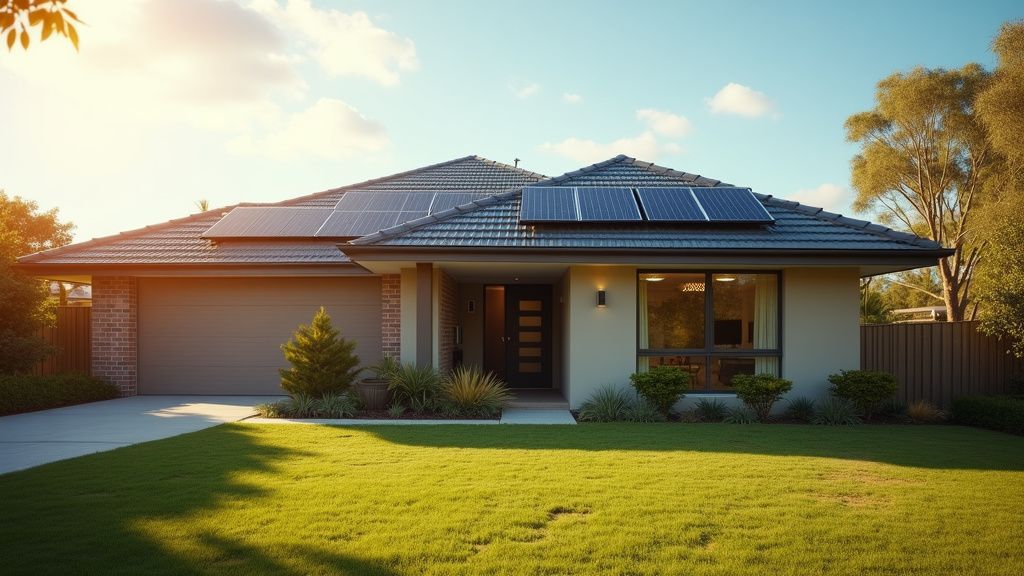
Thinking about going solar? That’s brilliant! Australia’s abundant sunshine makes solar power a fantastic option for reducing your electricity bills and your carbon footprint. But before you jump in, it’s crucial to understand solar panel efficiency. This blog post will break down what it means, why it matters, and how it impacts your solar investment. For a more in-depth look, check out our Complete Guide.
What is Solar Panel Efficiency?
Simply put, solar panel efficiency is a measure of how well a solar panel converts sunlight into usable electricity. It's expressed as a percentage. So, a panel with 20% efficiency converts 20% of the sunlight hitting its surface into electricity, while the remaining 80% is lost as heat or reflected away.
Most residential solar panels available in Australia today boast efficiency ratings between 18% and 24%. While that might seem low, remember that converting sunlight into electricity is a complex technological process. Even a small increase in efficiency can make a big difference to your energy output.
Why Does Efficiency Matter to You?
For Australian homeowners, higher solar panel efficiency translates into several key benefits:
- More Power, Less Space: A more efficient panel produces more electricity per square metre. This is particularly important if you have a smaller roof, as it allows you to generate more power from a limited space. For example, you might be able to install a 6.6kW or even a 10kW system on a roof that couldn't accommodate a system of the same size using less efficient panels.
- Greater Energy Independence: By generating more of your own electricity, you become less reliant on the grid and vulnerable to rising electricity prices. Coupling high-efficiency panels with a Solar Battery allows you to store excess energy generated during the day, providing power when the sun isn't shining.
- Long-Term Savings: Although high-efficiency panels typically have a higher upfront cost, they can generate more electricity over their lifespan, leading to greater long-term savings on your electricity bills. They often come with better build quality and more comprehensive warranties too, providing peace of mind.
- Durability: Solar panels in Australia are constantly exposed to harsh UV radiation and significant temperature variations. Higher efficiency panels are often built to withstand these conditions for longer, resulting in better performance over the life of the panel.
Understanding Efficiency Ratings: STC vs. Real-World Performance

Solar panel efficiency is typically measured under Standard Test Conditions (STC). These conditions involve a panel temperature of 25°C and a sunlight intensity of 1,000 watts per square metre. While STC provides a standardized benchmark for comparing different panels, it's important to remember that real-world conditions in Australia are rarely that perfect.
Factors like temperature, shading, and dust can all affect the performance of your solar panels. To get a more realistic idea of how your panels will perform, consider looking at the NOCT (Nominal Operating Cell Temperature) rating. This rating reflects the panel's performance under more typical operating conditions.
When comparing quotes from different installers, don't just focus on the efficiency percentage. Ask for the expected annual yield in kilowatt-hours (kWh). This will give you a better understanding of how much electricity the system is likely to generate over the course of a year.
Maximising Your Solar Investment
Choosing high-efficiency solar panels is just one part of the equation. To maximise your investment, consider these additional factors:
- Professional Installation: Even the best solar panels won't perform optimally if they're not installed correctly. Ensure you choose a reputable installer with experience in installing solar systems in your area.
- Regular Maintenance: Keep your solar panels clean and free of debris to ensure they're operating at peak efficiency. Consider investing in a smart monitoring system that alerts you when soiling reduces efficiency by more than 5%, indicating that it's time for a clean.
- Consider a Battery: Pairing your solar panels with a battery allows you to store excess electricity and use it when you need it most, further reducing your reliance on the grid.
The Future of Solar Efficiency
The solar industry is constantly evolving, with new technologies emerging all the time. The Australian market is trending toward advanced N-type cells, which offer improved efficiency compared to older P-type silicon panels. Keeping abreast of these advancements can help you make informed decisions when investing in a solar system.
Investing in solar power is a significant decision. By understanding solar panel efficiency and considering all the factors involved, you can make a smart investment that will save you money and help you contribute to a cleaner, more sustainable future.