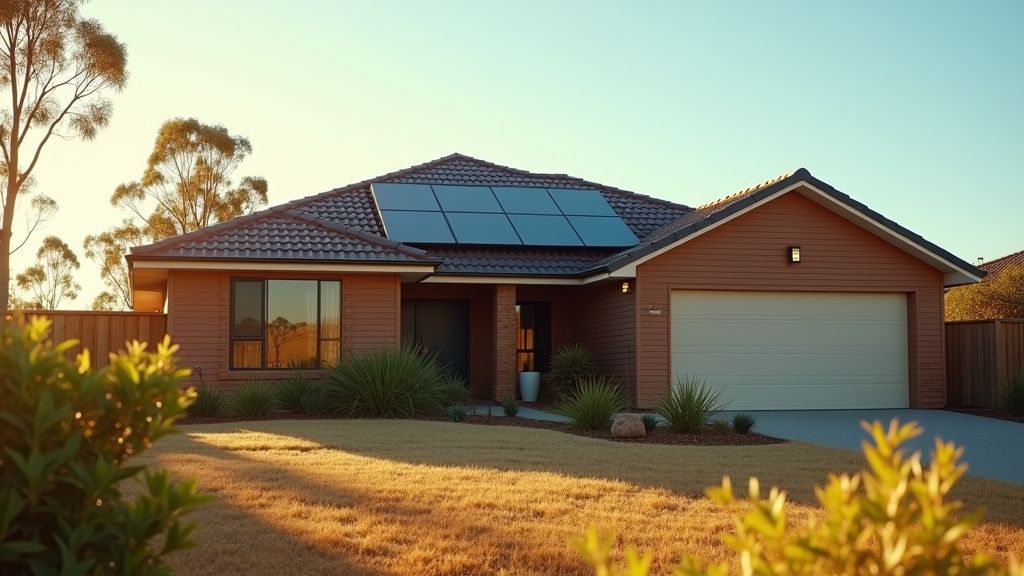
Tapping into the Sun: Understanding Solar Panel Efficiency in Australia
G’day solar enthusiasts! As Australians, we’re blessed with abundant sunshine, making solar power a no-brainer for many households. But with so many options on the market, understanding solar panel efficiency can feel a bit like navigating a complicated outback track. Fear not! This SolarInsights post will break it down for you.
What Does "Efficiency" Really Mean?
Imagine sunlight hitting your solar panel. The panel's job is to convert that light into electricity – that’s the photovoltaic (PV) effect in action. You'll often hear solar panels referred to as PV panels or PV modules. Efficiency, simply put, is the percentage of sunlight that a panel successfully converts into usable electricity.
Think of it like this: you have two buckets of the same size catching rainwater (sunlight). One bucket (solar panel) is more efficient at funneling the water into a storage tank (electricity). A more efficient panel produces more electricity from the same amount of sunlight.
Watts, Kilowatts, and the Aussie Sun: Understanding Solar Panel Output
Every solar panel has a rated capacity, measured in watts (W). This tells you how much power a panel should generate under ideal, laboratory-controlled conditions (called “standard test conditions”). 1000 watts equals 1 kilowatt (kW). A new 350W panel should pump out 350W of power under these perfect circumstances.
However, real-world conditions aren't always ideal. Factors like temperature, shading, and even the angle of the sun affect how much electricity your panels actually generate. Over time, solar panels also experience a small decline in their generating ability – this is called degradation. Thankfully, solar panel warranties specify the maximum amount of degradation you can expect over the panel's lifespan.
The total capacity of your solar system (all your panels combined) is measured in kilowatts (kW). So, a system with 19 x 350W panels would have a capacity of 6.65kW.
From Kilowatts to Kilowatt-Hours: Measuring Energy Production
While kilowatts measure the rate at which electricity is generated, kilowatt-hours (kWh) measure the amount of electricity produced over a period of time. Under those ideal “standard test conditions”, 1kW of solar panels will generate 1 kWh of electricity in one hour.
Across Australia, 1kW of solar panels can generate, on average, between 3.5 kWh and 5 kWh of electricity per day, across a year. This varies depending on your location (sunny Queensland versus cooler Tasmania, for example), the panel's tilt and orientation, and other environmental factors. Expect more power during summer and less during winter.
Think of it like a tap: kilowatts are the flow rate, while kilowatt-hours are the total volume of water that comes out.
Why Does Efficiency Matter?
Efficiency is important for a few key reasons:
- Limited Roof Space: If you have a small roof, higher efficiency panels let you generate more power from the available space. You can pack more punch into a compact area.
- Future-Proofing: More efficient panels are generally newer technology, meaning they might have better warranties and longevity.
- Long-Term Savings: While more efficient panels may have a higher upfront cost, they can generate more electricity over their lifespan, potentially leading to greater savings.
Navigating the Australian Solar Market
The efficiency of solar panels is constantly improving. For panels of the same size, higher efficiency means a higher power rating. Standard household panels are typically around 1 metre wide by 1.7 metres long, while larger commercial panels can be around 1 metre wide by 2 metres long (or even bigger).
When choosing a solar system, it’s crucial to work with a reputable solar installer. They’ll consider your specific needs, roof orientation, local climate, and budget to recommend the most efficient and cost-effective solution for your home. Don’t be afraid to ask questions about panel efficiency and performance warranties!
The Bottom Line
Solar panel efficiency is a vital factor to consider when investing in solar power in Australia. Understanding the relationship between watts, kilowatts, and kilowatt-hours, and working with a trusted installer, will ensure you get the most out of your solar investment and contribute to a cleaner, greener future for our sun-drenched nation. Now get out there and harness the power of the Aussie sun!
