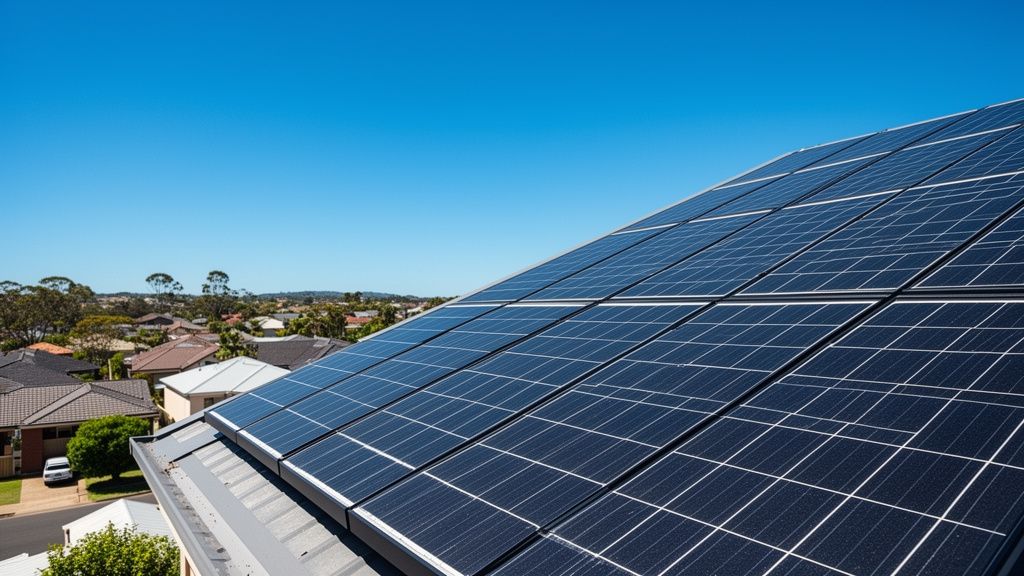
The Sydney Storm: A Wake-Up Call for Solar Grid Resilience
The recent wild weather that lashed Sydney wasn't just another severe storm; it was a stark reminder of nature's formidable power and, more importantly, a critical wake-up call for Australia's rapidly evolving energy landscape. As homes and businesses across the Harbour City grappled with widespread power outages, fallen trees, and flash flooding, many solar owners were left in the dark, quite literally. This event exposed a crucial vulnerability in our reliance on grid-tied solar systems and highlighted an urgent need to re-evaluate what true energy resilience looks like in a sun-drenched nation increasingly powered by the sun.
The Sydney Storm's Harsh Reality for Solar
The storm brought gale-force winds, torrential rain, and a barrage of lightning strikes, causing immense disruption. For many households with rooftop solar panels, there was an initial hope that their investment would provide a buffer against the blackouts impacting their neighbours. However, for the vast majority with standard grid-connected solar, the reality was a rude shock: their panels became inactive the moment the main grid went down.
This phenomenon is due to an essential safety feature called 'anti-islanding'. When the grid fails, grid-tied inverters are designed to automatically shut down to prevent electricity from being fed back into the downed network. This protects utility workers who might be repairing lines, ensuring they don't face electrocution from a live domestic solar supply. While absolutely vital for safety, it means that even on a sunny day during a blackout, your solar panels cannot power your home unless you have a specific setup for backup power. The Sydney storm brutally underscored this disconnect, leaving many wondering, "What's the point of solar if it doesn't work when I need it most?"
Beyond Generation: The True Meaning of Resilience
True energy resilience extends far beyond simply generating electricity. It’s about the ability of our energy systems – both centralised and decentralised – to withstand, absorb, and rapidly recover from disruptions, whether they be extreme weather events, technical failures, or even cyber-attacks. For solar, this means not just optimising for maximum generation, but also building in safeguards that ensure continuous, reliable power, especially when the main grid falters. The Sydney storm didn't just test our physical infrastructure; it tested our perception of energy independence.
Building a Resilient Solar Future: Practical Solutions
Fortunately, solutions exist to bridge this gap between solar generation and true energy resilience.
Home Battery Storage: Your Blackout Buster
The most effective and accessible solution for homeowners is integrating battery storage with their solar system. A Solar Battery stores excess electricity generated during the day, making it available for use after sunset or, crucially, during a power outage. When the grid goes down, a battery-equipped system can automatically switch to 'backup mode', drawing power directly from the stored energy, keeping essential appliances running.


In Australia, the cost of a home battery system can range from approximately $10,000 to $18,000 installed, depending on capacity and brand. While a significant investment upfront, government incentives, like those previously offered in NSW and other states, often help offset the cost. Batteries provide peace of mind, reduce reliance on the grid, and maximise the self-consumption of your own clean energy.
Hybrid Inverters and Microgrids: Community Power
For those seeking ultimate independence, hybrid inverters allow seamless switching between grid-tied and off-grid modes, often coupled with battery storage. Beyond individual homes, the concept of microgrids offers a powerful solution. Microgrids are localised energy systems that can operate independently from the main grid during outages, serving a cluster of homes, a suburb, or even an entire town. They combine various energy sources – solar, batteries, even small wind turbines – to create a resilient local network. Imagine a community centre with solar and a large battery bank powering critical services during an extended blackout, keeping the lights on for the whole neighbourhood.
Smart Grid Technology: The Future is Connected
Investing in smart grid technologies is also paramount. These technologies use advanced sensors, communication, and control systems to monitor and manage energy flow more efficiently. They can predict potential outages, isolate faults faster, and even manage distributed energy resources like rooftop solar and batteries to stabilise the grid during periods of stress. A smarter grid can better integrate renewables and improve overall resilience.
What Homeowners Can Do
For current solar owners, it’s worth reviewing your system's capabilities. If you don't have battery storage and backup functionality, investigate adding it. Get multiple quotes from reputable local installers and understand the differences in battery capacity, warranty, and inverter compatibility. For those considering solar, think beyond just generation; prioritise a system designed for resilience, potentially incorporating battery storage from day one.
Conclusion
The Sydney storm served as an undeniable "wake-up call." It reminded us that while Australia is blessed with abundant sunshine and a growing appetite for solar, true energy security demands more than just installing panels. It requires a robust, resilient infrastructure capable of weathering any storm – literal or metaphorical. By embracing battery storage, exploring microgrid solutions, and investing in smart grid technology, we can transform our solar ambitions into a truly dependable, future-proof energy system. Let's not just harness the sun; let's build a grid that stands strong, come rain, hail, or shine.
Read More
For a comprehensive overview, check out our master guide: Read the Full Guide Here.