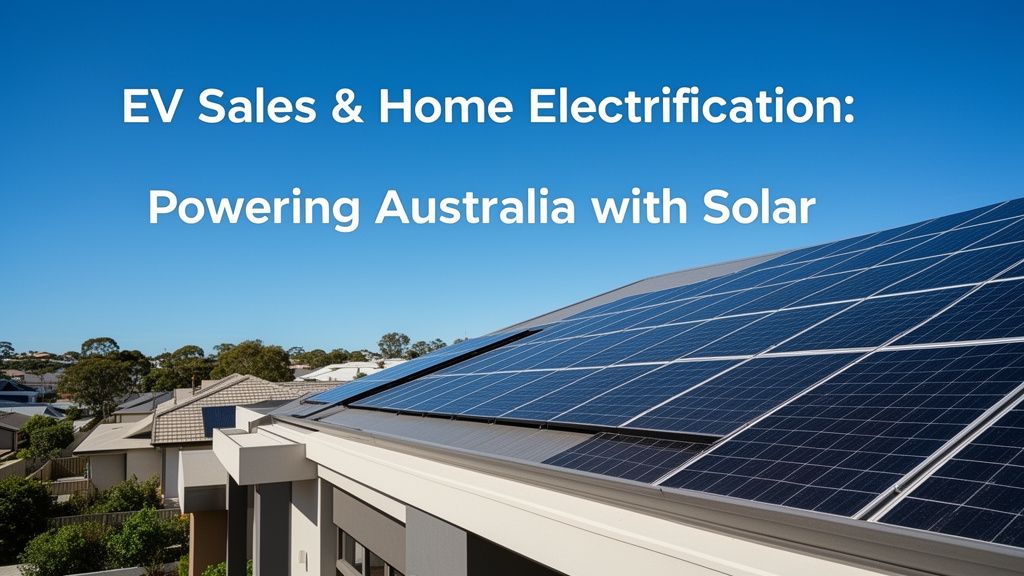
TL;DR: Electric vehicle sales are accelerating across Australia, driven by cost savings and improved models. This shift coincides with a growing trend among homeowners to electrify their properties with solar, batteries, and efficient electric appliances, creating a holistic, energy-independent lifestyle that drastically cuts household bills and petrol costs.
Are Australian EV Sales Really Booming?
Yes, Australian electric vehicle sales are experiencing rapid growth. Data released by the Federal Chamber of Automotive Industries (FCAI) shows battery electric vehicles (BEVs) represented 8.4% of all new car sales in 2023, a significant jump from 3.8% in 2022. This upward trend continues into 2024, with figures consistently above 7-8% each month. While Tesla still leads the market, brands like BYD, MG, and Hyundai are expanding their offerings, giving Australians more choices than ever. We’re seeing more EVs on our roads, particularly in metropolitan areas, and this movement shows no signs of slowing down. This growth demonstrates a clear shift in consumer preference towards electric transport.
What’s Driving the EV Uptake?
Several factors fuel this surge in EV purchases. Firstly, petrol price volatility makes electric vehicles appealing; paying over $2.00 a litre at the bowser often pushes people to consider alternatives. Secondly, government incentives, like stamp duty exemptions previously offered in states such as NSW and Victoria, lowered the initial purchase cost for many buyers. Although some of these rebates are winding down, the market matured enough to sustain demand. Thirdly, the range of available EV models has expanded dramatically, with more affordable options hitting the market. For instance, the MG ZS EV now starts around $40,000 driveaway, making it competitive with many internal combustion engine vehicles. Finally, improving battery ranges and a growing public charging network reduce range anxiety, making EVs a practical option for more Australians.
How Does Home Electrification Connect with EV Ownership?
EV ownership significantly strengthens the case for home electrification, essentially turning your house into a personal energy hub. When you power your electric car using electricity generated by your rooftop solar system, you virtually eliminate fuel costs. This synergy means you are not just driving electric; you are driving on sunshine. Homeowners who install solar for their house often find the next logical step involves an EV, allowing them to maximise their solar investment and minimise their overall energy expenditure. The goal is to move beyond simply generating power for your home and start generating power for your transport too.
Charging an EV from Solar Power
Many EV owners charge their vehicles overnight, using cheaper off-peak grid electricity. However, the real financial benefit comes from charging directly from your own solar panels during the day. A typical 6.6kW solar system installed on an Australian home can generate enough electricity to cover the daily usage of an average EV, which might need 15-20 kWh for 100km of travel. Smart EV chargers can automatically prioritise solar charging, diverting excess power from your panels into your car battery rather than sending it back to the grid for a low feed-in tariff. Even if your solar system does not fully cover your EV's energy needs, charging at home remains substantially cheaper than using public fast chargers or buying petrol.
Battery Storage for Maximising EV Savings
Adding a home battery to your solar setup dramatically enhances the benefits of EV ownership. Batteries store any excess solar energy generated during the day for use later, such as charging your EV overnight or powering your home in the evening. This reduces your reliance on the grid, especially during peak pricing periods, and ensures you use as much of your free solar power as possible. Home batteries also offer future-proofing, preparing your system for potential Vehicle-to-Home (V2H) or Vehicle-to-Grid (V2G) capabilities. These technologies allow your EV to act as a mobile battery, providing power back to your house or even the grid when needed, further boosting your energy independence and potential savings.
What Are the Wider Benefits of an All-Electric Home?
An all-electric home reduces energy bills, lowers your carbon footprint, and often improves indoor air quality. It represents a deliberate move away from gas appliances towards more efficient electric alternatives. This integrated approach to energy management means your solar panels, battery, EV charger, and electric appliances all work together to create a cohesive, low-cost, and environmentally friendly living space. Transitioning to all-electric living simplifies your utility bills and shields you from fluctuating fossil fuel prices, creating a more predictable and sustainable household budget.


Ditching Gas for Electric Appliances
Replacing gas appliances with electric counterparts forms a key part of home electrification. Heat pump hot water systems, such as those from Sanden or Reclaim, use 3-4 times less energy than traditional electric resistive or gas water heaters. Induction cooktops offer faster, more precise cooking than gas, without the indoor air quality concerns associated with burning fossil fuels. Highly efficient reverse cycle air conditioners provide both heating and cooling for your home using a fraction of the energy of older systems. Many state governments, through programs like Victorian Energy Upgrades, offer rebates for these efficient appliance upgrades, making the switch more financially accessible for homeowners.
The Cost Savings and Environmental Impact
Combining a solar system, home battery, EV charging, and efficient electric appliances drastically cuts annual household energy bills. Many families find they reduce their yearly energy expenditure from over $2,000 to just a few hundred dollars, or sometimes even achieve a credit. This comprehensive electrification strategy reduces your dependence on fossil fuels for both transport and home energy, contributing to Australia's broader climate goals. On a local level, removing gas appliances from homes reduces indoor air pollution, leading to healthier living environments. It represents a tangible step towards a cleaner, more sustainable future for individual households and the wider community.
Key Takeaways
- Australian EV sales are rapidly increasing, driven by cost savings, expanded model availability, and growing charging infrastructure.
- Owning an EV greatly enhances the financial benefits of home solar, allowing you to power your transport with free sunshine.
- Home batteries maximise solar self-consumption, storing energy for EV charging and home use, reducing reliance on the grid.
- Transitioning to an all-electric home with appliances like heat pump hot water and induction cooktops significantly cuts overall energy bills and carbon emissions.
- An integrated electric home with an EV provides substantial long-term savings and contributes to a healthier environment.
Read More
For a comprehensive overview, check out our master guide: Read the Full Guide Here.


