TL;DR: Australian household solar adoption offers clear paths to energy independence and lower utility bills, supported by flexible system sizes ranging from 6.6 kW to 13 kW and starting prices from $4,000, while operating within a rapidly changing grid where wholesale prices have fallen up to 47 per cent but remain vulnerable to coal plant retirements.
Introduction to the Australian Household Solar Transition
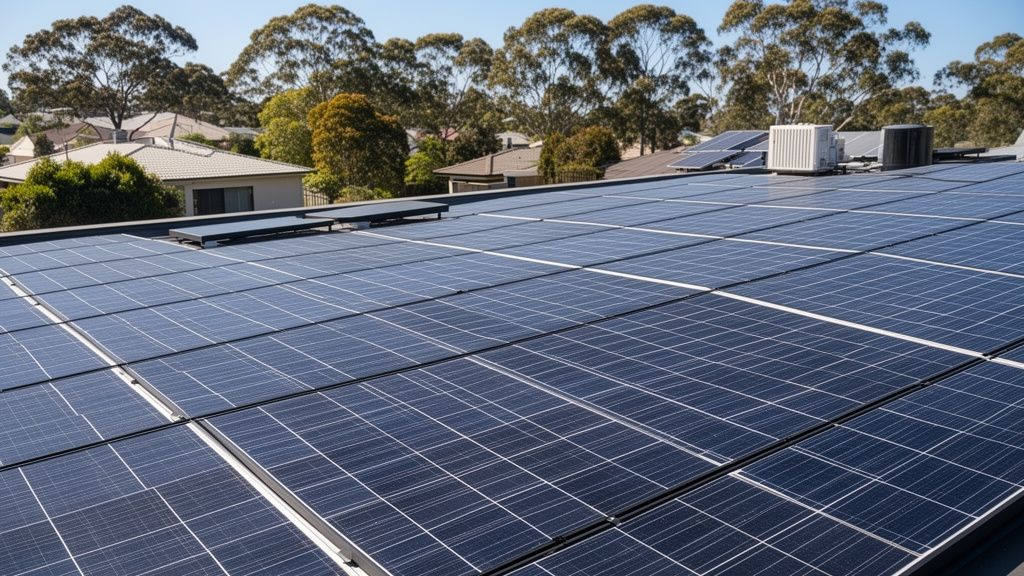
Australia is currently experiencing a profound shift in how residential energy is generated, stored, and consumed. As retail electricity costs continue to fluctuate, home solar systems have emerged as a premier pathway for residents looking to assert control over their domestic power bills. By turning a standard household rooftop into an active, localized clean energy generator, homeowners are able to transition away from total grid dependence. This transition not only insulates households from rising external electricity tariffs but also prepares properties for future technological upgrades, such as home battery storage integration and electric vehicle charging infrastructure.
To navigate this landscape successfully, consumers must understand the fundamental relationship between domestic generation and the national grid. Currently, the broader Australian energy grid is undergoing a precarious balancing act. While record renewable energy generation and a massive surge in battery installations have successfully driven down wholesale energy prices, the scheduled retirement of ageing coal-fired power stations requires a rapid, sustained rollout of residential and commercial solar systems. Home solar is no longer just an individual environmental choice; it is a critical pillar of localized economic savings and national grid stability.
Choosing the Right System Size for Your Home
Selecting the correct solar system size is crucial to maximizing the return on investment (ROI). System sizing should always be determined by analyzing a household’s daily energy usage patterns, available roof space, overall budget, and plans for future technology upgrades. Industry standards categorize residential solar installations into three primary tiers:
The 6.6 kW Solar System
- Target Audience: Best suited for smaller homes, couples, or households characterized by lower to moderate overall daily electricity consumption.
- Strategic Purpose: This serves as an entry-level solar setup, ideal for those starting their clean energy journey with a focus on offsetting standard daytime household appliances.
- Indicative Cost: Starting prices typically begin from $4,000.
The 10 kW Solar System
- Target Audience: This is a popular family choice, highly recommended for growing households that have higher daily electricity demands.
- Strategic Purpose: Designed to be "battery ready," this configuration generates sufficient surplus daytime power to be diverted into a residential storage battery for use during peak evening hours, further lowering grid reliance.
- Indicative Cost: Starting prices typically begin from $6,500.
The 13 kW Solar System
- Target Audience: Intended for high-energy homes, large properties, or households planning imminent structural upgrades.
- Strategic Purpose: This system size is built with future-proofing in mind, particularly for homes integrating electric vehicle (EV) charging stations or extensive heating and cooling systems. It provides maximum generation capacity to cover heavy loads.
- Indicative Cost: Starting prices typically begin from $8,500.
It is important to note that final pricing for any residential installation is subject to variation based on specific roof types, product selections, regional network limits, installation complexities, and local rebate eligibilities.
The Mechanics of Residential Solar Generation
Understanding how a domestic solar setup operates helps homeowners make smarter decisions about when and how to use their appliances. The process is streamlined into four clear physical steps:
- Generate: Photovoltaic (PV) solar panels installed on the roof capture sunlight during the day and convert it into direct current (DC) electricity.
- Convert: A solar inverter takes this harvested DC electricity and converts it into alternating current (AC) electricity, which is the standard form of power used by household appliances.
- Use: The home immediately uses this converted solar energy to power active appliances first. This directly reduces the amount of electricity that must be purchased from the grid.
- Export or Store: Any surplus electricity generated by the panels that is not immediately consumed can either be exported back to the grid (often earning a feed-in tariff) or directed into a battery storage system to be saved and used later.
By centering household activities—such as running washing machines, dishwashers, and pool pumps—during peak daylight hours when solar generation is at its highest, homeowners can dramatically accelerate their solar savings.

Financial Incentives, Financing, and Long-Term Value
Investing in a residential solar system is heavily supported by financial incentives and flexible payment structures. Government rebates remain accessible to eligible homeowners to offset the initial capital outlay. Key mechanisms like Small-Scale Technology Certificates (STCs) are designed to make clean energy systems affordable.
Professional providers, such as SAE Group, offer tailored financing models that align the capital cost of a solar system with a household's regular budget. Under these structures, owning a solar system can cost approximately the same as a daily cup of coffee. Furthermore, installing a high-quality solar system enhances overall property values and qualifies homeowners for feed-in tariffs, turning what was once a pure utility expense into a wealth-building property asset.
The Grid Context: Why Residential Solar and Storage Matter
Individual residential solar installations exist within a larger, highly dynamic national energy grid. According to the Australian Energy Market Operator (AEMO), wholesale electricity costs across eastern Australia plummeted by 47 per cent year-on-year in the June quarter, reaching their lowest average for that specific seasonal period since 2020. In Victoria, wholesale prices led the decline, dropping by 60 per cent to an average of $56 per megawatt-hour. Regulators attribute this substantial decline directly to record-breaking renewable generation combined with a major boom in battery installations.
These batteries store low-cost daytime solar energy and release it after sunset, lowering reliance on expensive fossil fuels during evening peak hours. However, this progress is precariously balanced. Top energy executives from major corporations like Origin Energy and AGL warn that Australia’s grid remains highly vulnerable. Over half of the remaining coal-fired generators in eastern Australia—which still supply nearly 50 per cent of the grid's electricity—are scheduled to retire by 2035 as they become unreliable and costly to maintain.
Furthermore, recent price relief was aided by milder-than-average winter weather, which suppressed heating demand, and fewer unexpected breakdowns at ageing coal plants. Frank Calabria, chief executive of Origin Energy, cautioned: "Not every winter will be this good. Just remember, you've got a lot of coal coming out of the system and a lot of renewables that still need to be built, so we still see a lot of variability going forward." In this volatile landscape, home solar combined with battery storage protects households from unexpected price spikes when coal plants suffer unscheduled outages.
The Critical Role of Ongoing System Maintenance
To ensure that a residential solar system delivers optimal financial returns over its expected 25-year lifespan, proactive system maintenance is indispensable. Post-installation care should not be treated as an afterthought. Regular check-ups, cleanings, and continuous performance monitoring are vital to prevent minor technical issues from escalating into expensive faults.
Comprehensive maintenance packages, such as those provided by SAE Group, feature regular system inspections, swift troubleshooting, warranty support, and technical assistance. Proactive diagnostics ensure that inverters operate at peak efficiency and that solar panels remain free of dirt and debris that block sunlight. Securing professional maintenance ensures that your solar investment continues to yield high financial dividends far into the future.
Key Takeaways
- System Sizing Matters: Systems range from 6.6 kW (starting from $4,000) for small homes, to 10 kW (starting from $6,500) for family homes, up to 13 kW (starting from $8,500) for EV-ready households.
- Wholesale Price Relief: Increased solar and battery installations helped drive June quarter wholesale electricity prices down by 47% across eastern Australia, with Victoria experiencing a 60% drop to $56/MWh.
- A Precarious National Grid: Over half of eastern Australia's remaining coal-fired generation plants are scheduled to close by 2035, leaving the grid highly vulnerable to winter demand spikes and unexpected coal fleet outages.
- Financial & Operational Support: Homeowners can leverage government STC rebates and affordable financing options comparable to the price of a daily cup of coffee.
- Maintenance Secures ROI: Proactive professional maintenance, check-ups, and warranty support are critical to maintaining peak solar system generation and longevity.
Related Guides
- Why the Zen Energy Collapse Doesn't Mean the Failure of Australia's Renewable Transition
- Maximising Commercial Solar ROI: Custom Solutions, Maintenance, and Large-Scale Certificates
- Selecting and Approving Solar Panels: The Role of CEC Approved PV Modules and System Sizing
- Understanding Wholesale Power Price Trends: How Household Solar and Batteries Shape the Grid