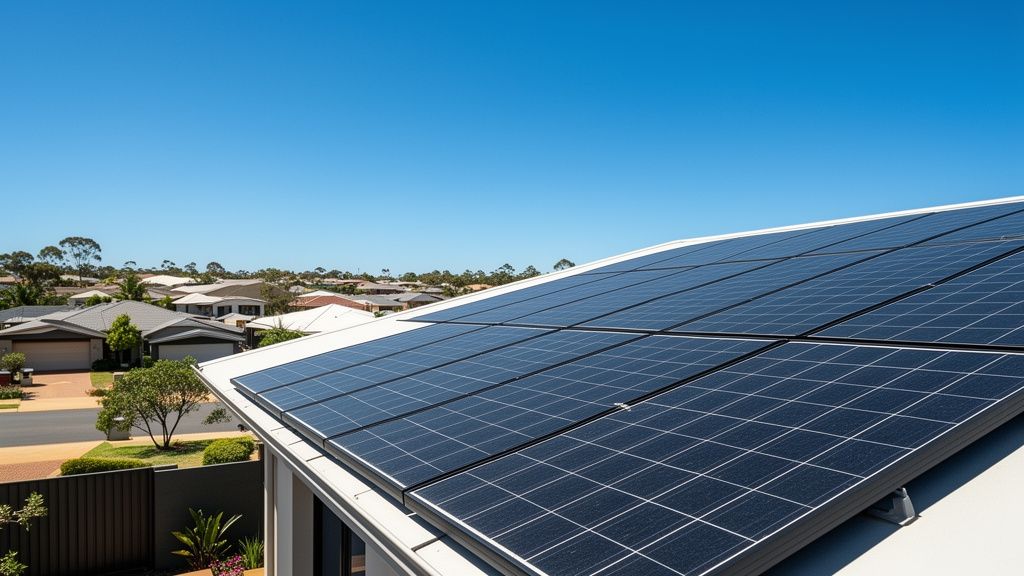
Solar Panel Degradation: Understanding the Long-Term Performance of Your Aussie Solar System
Solar power is a brilliant investment for Australian homes and businesses, helping you slash power bills and reduce your carbon footprint. As our sunshine relentlessly powers these systems, it’s natural to wonder about their long-term performance. One key concept you’ll encounter is "solar panel degradation" – a natural and expected process that every solar panel undergoes. But what exactly is it, and how does it affect your solar investment? Let’s break it down for the average Aussie homeowner.
What is Solar Panel Degradation?
In simple terms, solar panel degradation refers to the gradual decline in a solar panel’s power output and efficiency over time. It’s not a sudden failure, but rather a slow and steady reduction in how much electricity the panel can generate. Think of it like a new car’s fuel efficiency slowly decreasing after years of use, or a mobile phone battery holding less charge after hundreds of cycles. It’s an inherent characteristic of the materials used in solar cells, and it’s completely normal.
Natural Degradation: The Expected Decline
The good news is that manufacturers anticipate this process and build it into their product specifications and warranties. Most quality solar panels today are designed to degrade at a very predictable rate, typically between 0.5% and 0.8% per year. This means that after the first year, a panel might produce 99.5% of its original output, then 99% the next year, and so on.
Most reputable panel manufacturers offer a performance warranty, usually guaranteeing that their panels will still produce at least 80% to 85% of their original rated power after 25 years. This predictable degradation rate is factored into the financial calculations when you install a solar system, so your expected savings and payback period already account for it. For example, a 6.6kW system installed for around $5,000 to $8,000 will still be generating substantial power decades down the track.
Beyond the Norm: Accelerated Degradation Causes
While a slow, natural decline is expected, certain factors can accelerate degradation, leading to your panels losing efficiency faster than anticipated. Understanding these can help you choose better panels and maintain your system effectively:
Light-Induced Degradation (LID): This phenomenon occurs very early in a panel's life, typically within the first few hours or days of sunlight exposure. It's caused by a reaction between boron and oxygen impurities in the silicon cells. Modern, high-quality panels are designed to minimise LID, often losing only 1-3% efficiency and then stabilising. It’s largely a one-off event.
Potential Induced Degradation (PID): PID is a more serious issue that can occur when high voltage differences exist between the solar cells and the earthed panel frame, especially in humid conditions. It causes a reduction in power output and is more common in older or lower-quality panels. Proper grounding and choosing PID-resistant panels are crucial here.
Hot Spots: These are localised areas of extreme heat on a solar panel, often visible as dark spots. They can be caused by manufacturing defects, persistent shading on a part of the panel, or physical damage. Hot spots reduce efficiency and can lead to irreversible damage, potentially even causing fires in severe cases.
Microcracks: These tiny, often invisible cracks in the silicon cells can form during manufacturing, transport, or due to environmental stress like hail impacts or extreme temperature fluctuations. While small initially, they can expand over time, leading to reduced power output and potential cell failure.


Delamination: This occurs when the layers of the solar panel (e.g., the protective EVA encapsulant and the glass or backsheet) separate. This creates air pockets, which can trap moisture and dirt, leading to discolouration, reduced transparency, and a significant drop in performance.
Soiling and Shading: While not strictly "degradation" of the panel materials themselves, persistent dirt, dust, bird droppings (soiling), or shadows from trees and chimneys (shading) can mimic degradation by drastically reducing a panel’s output. Over time, heavy soiling can also lead to hot spots.
Impact on Your Wallet and the Environment
Accelerated degradation means your solar system isn't producing as much electricity as it should. This translates directly into higher power bills as you draw more from the grid, extending your system's payback period and diminishing your long-term savings. For the environment, it means less clean energy generated, reducing the positive impact of your solar investment.
Mitigating Degradation: What You Can Do
Thankfully, there are several proactive steps you can take to minimise degradation and ensure your solar system performs optimally for decades in the harsh Australian climate:
Choose Quality Panels: This is paramount. Invest in reputable, Tier 1 manufacturers known for their stringent quality control and robust materials. Look for panels specifically designed and tested for Australian conditions, which include high UV exposure, extreme heat, and sometimes hail. They often come with better product and performance warranties.
Professional Installation: A skilled installer will ensure correct wiring, proper grounding to prevent PID, and secure mounting that minimises stress on the panels. Poor installation is a major cause of premature issues.
Regular Monitoring: Many modern inverter systems come with apps or online portals that allow you to monitor your system's daily, weekly, and monthly performance. Keep an eye on these metrics. A sudden or unexplained drop in output could signal an issue.
Maintenance and Cleaning: While solar panels are largely self-cleaning with rain, dust build-up (especially in rural or dusty areas), bird droppings, or sea salt spray can reduce efficiency. Occasional professional cleaning or a rinse with a hose (never use high pressure) can make a difference. Always ensure you are safe and follow manufacturer instructions.
Shading Avoidance: Design your system to minimise shading from trees, chimneys, or neighbouring buildings. If shading is unavoidable, consider optimisers or micro-inverters which manage individual panel performance, preventing one shaded panel from dragging down the entire string.
Understand Your Warranties: Familiarise yourself with both the product warranty (covering manufacturing defects) and the performance warranty (guaranteeing output over time). This provides peace of mind and protection for your investment.
In conclusion, solar panel degradation is a natural part of owning a solar power system. By understanding its causes, choosing high-quality components designed for Australian conditions, and ensuring professional installation and ongoing monitoring, you can maximise your system’s lifespan and energy production. Your solar investment will continue to deliver substantial financial and environmental benefits for many years to come, providing clean, reliable power under the Aussie sun. If you have concerns about your system's performance, always consult with a qualified solar expert.


