TL;DR: Australian renters in apartments face unique hurdles to accessing solar due to property ownership and strata rules. However, innovative solutions like embedded networks and community solar, coupled with evolving government initiatives, are creating viable pathways for renters to benefit from renewable energy and reduce their power bills.
Why Is Accessing Solar Power Difficult for Australian Renters in Apartments?
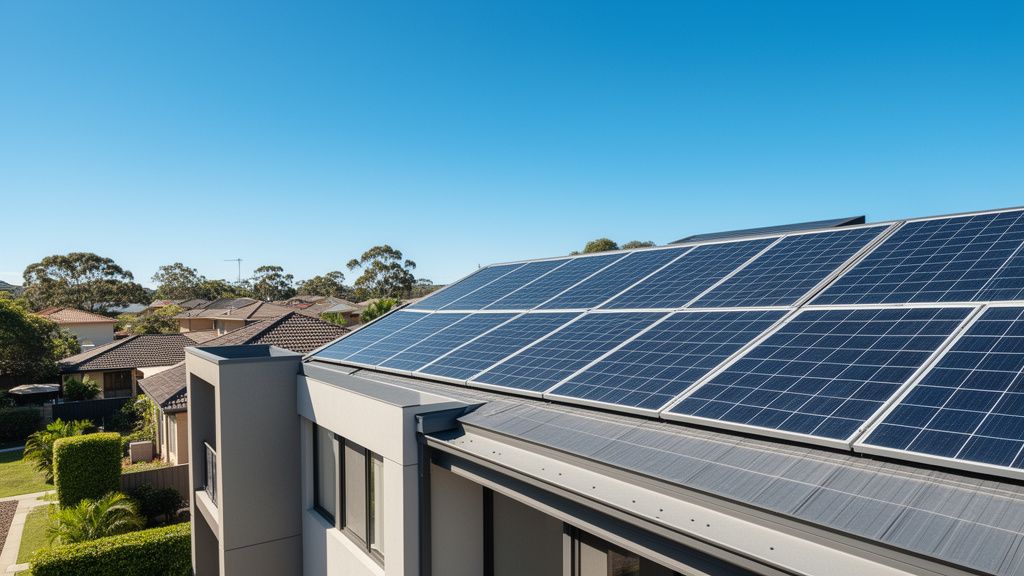
Accessing solar power is difficult for Australian renters in apartments primarily because they do not own the property, limiting their ability to install or modify energy infrastructure. Unlike homeowners who can install panels on their own roof and directly benefit from the savings, renters require landlord and often strata body approval for any significant property modifications. This creates a "split incentive" problem, where landlords bear the upfront cost of solar installation, but the primary financial benefit (lower electricity bills) goes directly to the tenant. Furthermore, the complexities of multi-residential buildings, including shared roof space, wiring, and electricity metering, add layers of technical and logistical challenges. Many landlords also lack awareness of the long-term benefits of solar, such as increased property value and tenant attraction, making them hesitant to invest.
The Strata and Landlord Hurdle
The need for strata committee approval often presents a significant hurdle for solar installations on apartment blocks. Strata schemes typically require a majority vote from owners to approve common property changes, which includes roof-mounted solar panels. Even if a landlord is keen, obtaining this collective consent can be a lengthy and complicated process, sometimes requiring specialised engineering reports and impact assessments. Moreover, individual landlords might not see a direct return on investment, particularly if their current tenants are on short leases, further complicating their motivation to undertake such a project without clear financial incentives or legislative mandates.
Financial Barriers and Split Incentives
The upfront cost of a commercial-scale solar system suitable for an apartment building can be substantial, often ranging from tens of thousands to hundreds of thousands of dollars, depending on the size and complexity. For individual tenants, installing even a small, personal solar setup is usually prohibited by lease agreements and impractical for apartment living. The core "split incentive" issue means landlords invest capital without directly reaping the ongoing utility savings, while tenants, who would enjoy the bill reduction, cannot make the investment themselves. This impasse slows the adoption of solar in the rental sector and leaves many Aussie renters locked into standard grid electricity prices.
Innovative Models Are Making Solar Accessible to Apartment Renters.
Innovative models like embedded networks, community solar programs, and virtual power plants are increasingly making solar accessible to apartment renters across Australia. These solutions bypass the traditional challenges of individual roof ownership by aggregating demand, providing shared infrastructure, or allowing tenants to invest in off-site solar generation. Embedded networks, in particular, enable a building owner or a third-party operator to install a single, larger solar system and then sell the generated electricity directly to tenants at a lower rate than standard retailers. This creates a win-win: the building benefits from increased value and attractiveness, while renters enjoy cheaper, renewable power without needing to install anything themselves.
Embedded Networks and Shared Solar
Embedded networks operate as a private electricity grid within a single building or complex, allowing the owner or an energy services company to buy electricity in bulk (including from a building's own solar system) and onsell it to residents. This means all tenants, including those renting, can benefit from the building's solar power, typically through lower-cost tariffs than external retailers. The solar system is installed on the common property, like the roof, and its output is distributed throughout the building. This model also often includes centralised billing, simplifying the process for residents and creating a direct financial incentive for landlords to install solar as they can generate a return from selling discounted power.
Community Solar and Virtual Power Plants
Community solar schemes allow individuals, including renters, to invest in a share of a larger, off-site solar farm. Participants then receive credits on their electricity bills equivalent to the power generated by their share of the farm, even if they don't have solar panels on their own roof. This is particularly appealing for apartment dwellers who lack roof access. Virtual Power Plants (VPPs) take this a step further, integrating distributed energy resources (like individual household batteries or even aggregated community solar) into a coordinated network. While more complex, VPPs could one day allow apartment renters to participate in grid services and earn revenue, further democratising access to renewable energy benefits.

What Government Initiatives Are Supporting Solar for Renters?
Several government and industry initiatives are emerging to support solar for renters by addressing the legislative and financial barriers. State governments, in particular, are beginning to recognise the equity issues in solar access and are rolling out programs designed to incentivise landlords and strata bodies to invest in renewable energy solutions for rental properties. These initiatives often include grants, low-interest loans, or educational campaigns aimed at showcasing the benefits of solar to property owners and managers. The broader goal is to drive the uptake of solar in the rental sector, ensuring that all Australians, regardless of homeownership status, can participate in the transition to a clean energy future and benefit from lower electricity costs.
State-Based Solar Programs and Rebates
In various states, specific programs are targeting energy efficiency and renewable energy for rental properties. For instance, the Victorian Government's Solar for Apartments program has offered grants for body corporates to install solar, and their Rental Minimum Standards now require certain energy efficiency upgrades. New South Wales has seen pilot programs, like the "Solar for Social Housing" scheme, which directly install solar on government-owned rental properties. While comprehensive, Australia-wide schemes for private apartment rentals are still developing, these state-based initiatives provide valuable blueprints and demonstrate a growing commitment to addressing solar inequity, offering examples of how landlords can access support for upgrades.
Advocacy for Legislative Reform
There is increasing advocacy from environmental groups and energy bodies for legislative reforms that would further enable solar for renters. These reforms often push for stronger incentives for landlords to install solar, potentially through enhanced depreciation benefits or direct rebates tied to rental properties. Another area of focus is mandating energy efficiency standards for rental homes, including considerations for renewable energy integration, much like the upcoming minimum energy efficiency standards for new homes. Such reforms would shift the onus, encouraging or even requiring property owners to consider solar as a standard upgrade, similar to other essential building improvements.
Renters Can Advocate for Solar, While Landlords Can Seize New Opportunities.
Renters can proactively advocate for solar solutions by engaging with their landlords and strata committees, while landlords can explore new financial and environmental benefits of installing solar. For tenants, initiating a conversation backed by research and potential solutions can be a powerful first step, demonstrating a clear desire for sustainable living and potential bill savings. Landlords, on the other hand, stand to gain more than just environmental street cred; solar can significantly enhance property value, attract higher-quality, long-term tenants, and contribute to lower operating costs for common areas. This mutual benefit creates a strong case for collaboration, moving towards a fairer and greener rental market for everyone.
Empowering Renters to Initiate the Conversation
Renters aren't powerless in the pursuit of solar. They can start by researching the various options available, such as local community solar programs or companies specialising in embedded networks for apartments. Prepare a compelling proposal for your landlord or strata, highlighting the financial benefits (e.g., potential rent premium, property value increase for landlords; lower energy bills for tenants) and environmental advantages. Mention specific government incentives or pilot programs that might apply to your building. Engaging with neighbours and forming a collective voice can also add weight to your proposal, showing widespread interest and demand for renewable energy solutions within the building.
Benefits for Landlords and Property Owners
For landlords, investing in solar for their apartment building is a smart commercial decision. Beyond the environmental benefits, properties with solar panels often command higher rental yields and appeal to a broader pool of tenants, particularly younger demographics who prioritise sustainability. Data suggests that energy-efficient homes can attract higher rents and experience lower vacancy rates. Furthermore, common area electricity costs (for lighting, lifts, etc.) can be drastically reduced, directly impacting the owner's expenses. Installing solar also demonstrates a commitment to corporate social responsibility (CSR) and future-proofing the asset against rising energy prices and evolving tenant expectations.
Key Takeaways
- Renters face ownership and strata hurdles for solar but solutions like embedded networks and community solar are growing.
- Embedded networks allow apartment buildings to install solar and sell power to tenants at reduced rates.
- Government initiatives, often state-based, are providing grants and incentives for solar in rental properties.
- Renters should proactively research and propose solar solutions to landlords and strata committees.
- Landlords can benefit from solar through increased property value, tenant attraction, and reduced common area costs.
Read More
For a comprehensive overview, check out our master guide: Read the Full Guide Here.