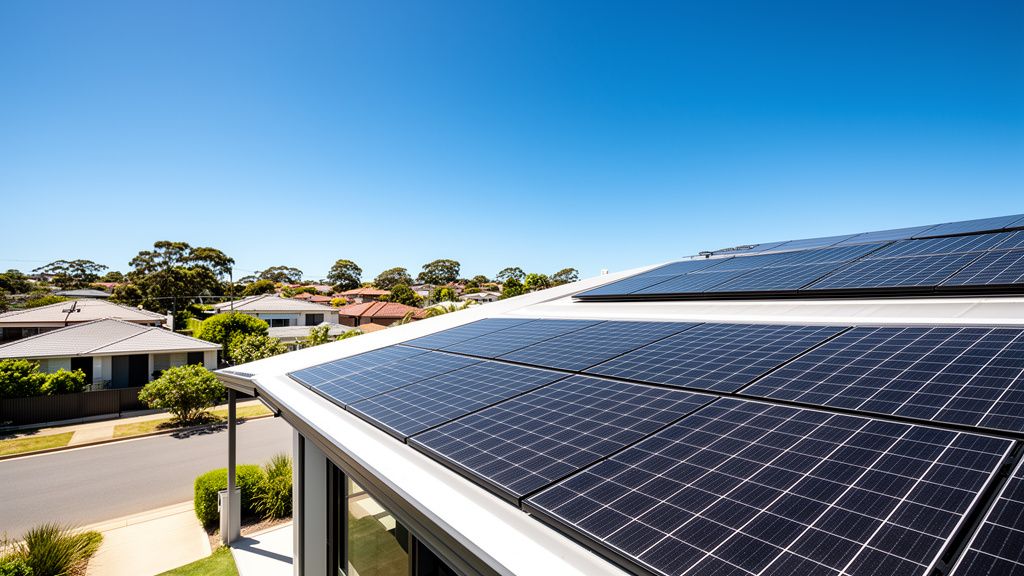
TL;DR: Shade, even partial, significantly reduces solar panel efficiency by creating bottlenecks in your system, impacting your energy production and return on investment. Proactive shade management through tree trimming or adopting smart technologies like micro-inverters is crucial for maximising your solar system's output and ensuring you get the most out of your panels.
Why Does Even Partial Shade Drastically Affect Solar Panel Performance?
Even a small patch of shade on a single solar panel can disproportionately slash the energy output of your entire solar array. This happens because most residential solar systems use string inverters, where panels are wired in a series (a 'string'). If one panel in the string is shaded, its resistance increases, and the entire string’s output is limited to the capacity of the weakest, least productive panel, akin to a bottleneck. While bypass diodes are built into panels to reroute current around completely dead cells, they can't fully compensate for partial shading, leading to substantial energy losses that can cost you hundreds of dollars in lost savings annually.
The "Christmas Light Effect" on Your Solar Array
The notorious "Christmas light effect" perfectly illustrates the problem: if one bulb in an old series string of Christmas lights blows, the whole string goes out. Similarly, with a traditional string inverter setup, a shaded panel acts like a faulty bulb, severely diminishing the power produced by all other panels in its string, even those basking in full sun. This means if a tree branch casts a shadow over just 10% of one panel for a few hours each day, your entire system's performance could drop by 20-30% during that period, making a significant dent in your electricity bill savings and prolonging your system's payback period.
How Can Homeowners Effectively Identify Potential Shade Issues?
Identifying existing or potential shade obstacles is a critical first step for any homeowner looking to install or optimise a solar system. A thorough assessment involves observing the sun's path throughout the day and across seasons, as well as leveraging modern tools and professional expertise. This proactive approach ensures your panels are positioned for maximum sunlight exposure, reducing the likelihood of costly underperformance down the track. Don't just rely on a sunny midday view; shade patterns can change dramatically with the time of day and year.
DIY Shade Assessment and Professional Evaluations
Start with a do-it-yourself assessment by spending time observing your roof's sun exposure at different times of the day, particularly in the mornings and late afternoons. Look for shadows cast by trees, neighbouring buildings, chimneys, vents, or even satellite dishes. Consider how these shadows might shift with the seasons – a deciduous tree that offers no shade in winter might be a major culprit in summer. For a precise evaluation, however, a professional solar installer will conduct a detailed site assessment, often using sophisticated solar design software that can model sun paths, calculate shade impacts, and predict energy yield for various panel layouts with impressive accuracy, ensuring your quote reflects realistic performance expectations.
What Are the Most Effective Strategies for Managing Existing Shade?
Managing shade involves a combination of physical modifications and smart technological solutions tailored to your specific circumstances. The goal is always to maximise the amount of direct sunlight hitting your panels for as many hours as possible. The ideal approach will depend on the source of the shade, your budget, and local council regulations regarding tree removal or pruning. A holistic strategy often yields the best results, combining proactive adjustments with resilient technology.
Physical Obstruction Removal and Smart Technology Adoption
The most straightforward method for shade management is often the physical removal or pruning of shade-casting obstructions. This could involve trimming overhanging tree branches, removing an entire tree if it's a significant and immovable problem (check with your local council first!), or even repositioning smaller roof fixtures like antennas. For situations where physical removal isn't feasible or desired, modern solar technology offers powerful alternatives. Micro-inverters or power optimisers, for instance, are devices installed on individual panels. Unlike traditional string inverters, these technologies allow each panel to operate independently, meaning if one panel is shaded, the others continue producing at their maximum capacity, significantly mitigating the "Christmas light effect." While they add to the initial system cost (typically an extra $500 to $1500 for a standard 6.6kW system compared to string inverter setups), the long-term energy gains in shaded environments can quickly offset this investment.


Are There Costs Involved in Shade Management for Solar?
Yes, managing shade for optimal solar energy capture almost always incurs some costs, which can range from minor expenses to significant investments, depending on the chosen strategy. These costs need to be weighed against the potential losses in energy production and the accelerated payback period that effective shade management can deliver. Investing in shade mitigation upfront is often far more cost-effective than enduring years of reduced energy savings. Savvy homeowners consider these expenses as part of their overall solar investment.
Understanding the Investment in Enhanced Solar Performance
The costs associated with physical shade removal can vary widely across Australia. For example, professional tree trimming for a medium-sized tree might set you back anywhere from $300 to $1,000, while complete tree removal could range from $1,000 to over $5,000, particularly for large or difficult-to-access trees. It's crucial to get multiple quotes from qualified arborists and understand any council permits required. If you opt for technological solutions, upgrading to micro-inverters or power optimisers for a typical 6.6kW system might add an extra $500 to $1,500 to the total installation cost. While this is an additional upfront outlay, the increased energy yield in shaded conditions means you'll generate more electricity, reduce your reliance on grid power faster, and ultimately shorten the time it takes for your solar system to pay for itself, making it a worthwhile investment for many Aussie homes.
Key Takeaways
- Even partial shade on one panel can severely reduce the output of an entire solar string due to the "Christmas light effect."
- Homeowners should conduct seasonal shade observations and engage solar professionals for accurate sun path analysis and system design.
- Proactive strategies include trimming or removing shade-casting obstacles, while micro-inverters or power optimisers offer technological solutions for unavoidable shade.
- Costs for shade management, such as tree services ($300-$5,000+) or smart inverter technology ($500-$1,500 extra), are an investment that pays off through increased energy generation and faster system payback.
- Addressing shade issues is crucial for maximising your solar system's energy output and ensuring a strong return on investment in the long term.
Read More
For a comprehensive overview, check out our master guide: Read the Full Guide Here.