Practical Tips to Slash Your Home's Electricity Usage and Save Money
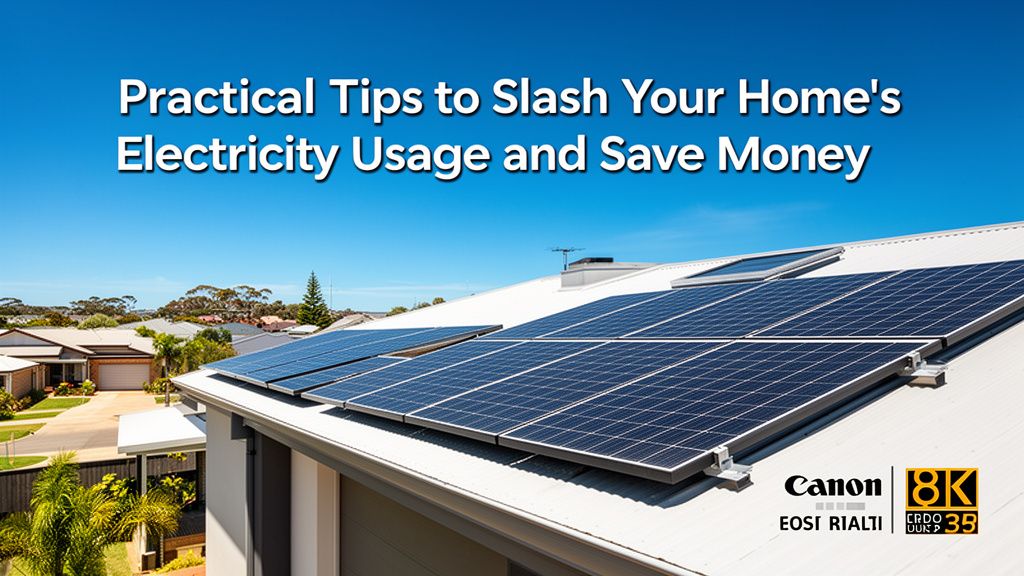
In the sunburnt country, we’re blessed with abundant sunshine, making solar power a brilliant investment for many Aussie homes. But even if you’ve got panels gleaming on your roof, or if you’re still considering the switch, understanding and reducing your home’s overall electricity consumption is absolutely crucial. With the cost of living on the rise, every kilowatt-hour (kWh) saved translates directly into hard-earned dollars staying in your pocket. This isn't just about being "green"; it's about being smart with your finances. Let’s dive into some practical, actionable tips to significantly cut down your electricity bill.
Understanding Your Home’s Energy Habits
Before you can slash your usage, you need to know where your energy goes. Most Australian homes now have smart meters, giving you detailed insights into your consumption patterns via your electricity provider’s online portal or app. Pay attention to peak and off-peak times – electricity is significantly cheaper during off-peak hours (often late at night and early morning, but check with your retailer). Understanding these patterns is your first step towards smarter energy use.
Tackling the Heavy Hitters: Major Appliances
These are the big energy guzzlers in most homes. Making small changes here can yield massive savings.
Heating and Cooling: Your Biggest Energy Vampires In Australia, heating and cooling can account for up to 40% of your electricity bill.
- Optimal Thermostat Settings: Aim for 24-26°C in summer and 18-20°C in winter. Every degree outside this range can increase your energy use by 5-10%.
- Insulation and Draught Proofing: Ensure your roof, walls, and floors are well-insulated. Seal gaps around windows and doors with draught stoppers or weather stripping. A cheap draught snake can make a real difference!
- Maintain Your System: Clean air conditioner filters regularly (monthly) to ensure optimal efficiency.
- Zone Your Home: Only heat or cool the rooms you're using. Close doors to unused areas.
- Utilise Natural Ventilation: Open windows and doors on cooler days or evenings to create cross-breezes.
Hot Water: The Silent Bill Inflater Heating water is typically the second-largest energy expense in an Australian home.
- Lower the Thermostat: Reducing your hot water system’s thermostat from 70°C to 60°C (still safe for Legionella prevention) can save you a bundle.
- Use a Timer: If you have an electric hot water system, consider putting it on a timer to heat water during off-peak electricity hours.
- Insulate Your Tank and Pipes: If accessible and safe to do so, insulating older hot water tanks and the first metre or two of exposed hot water pipes can reduce heat loss.
- Efficient Showerheads: Install a WELS-rated efficient showerhead. This can reduce hot water usage by thousands of litres a year, saving you hundreds of dollars.
- Shorter Showers: Sounds obvious, but even a minute less per shower across the household adds up significantly.
Refrigeration: Always On, Always Consuming Your fridge and freezer work 24/7.
- Check Door Seals: Test your seals by closing the door on a dollar note. If it pulls out easily, your seals might need replacing.
- Optimal Temperature: Keep your fridge at 3-4°C and your freezer at -18°C. Colder isn't necessarily better for food and wastes energy.
- Location Matters: Don’t place your fridge next to a heat source (oven, direct sunlight) or too close to a wall, restricting airflow around the coils.
- Defrost Regularly: If your freezer isn't frost-free, a build-up of ice reduces its efficiency.
- Cool Food First: Let hot food cool down before putting it in the fridge.
Laundry and Dishwashing: Smart Cycles

- Full Loads Only: Wait until your washing machine or dishwasher is full. Half-loads use almost as much energy and water.
- Cold Water Wash: Using cold water for laundry can save you around $100 a year. Modern detergents are designed for cold water.
- Eco or Economy Cycles: These cycles use less water and energy, though they might take longer.
- Off-Peak Operation: Schedule these appliances to run during off-peak times, especially if you have solar and a battery to maximise self-consumption.
- Air Dry: Take advantage of Australia’s climate and air dry your clothes on the line whenever possible, completely eliminating dryer costs.
Cooking: Heat Wisely
- Lids On: Keep lids on pots and pans to trap heat, cooking food faster and using less energy.
- Match Pot Size to Burner: Using a small pot on a large burner is wasteful.
- Residual Heat: Turn off the stove or oven a few minutes before food is fully cooked and let the residual heat finish the job.
- Microwave/Air Fryer: For smaller meals, these are often more energy-efficient than a large oven.
Nipping at the Edges: Smaller but Significant Savings
These might seem minor, but they collectively add up to a decent chunk of change over a year.
Banish Phantom Loads: Standby Power Electronics plugged in but not in use (TVs, gaming consoles, phone chargers, modems) still draw "phantom" power. This can cost you anywhere from $100 to $200 annually.
- Power Boards: Use power boards with individual switches or master switches for your entertainment centres and home office equipment.
- Unplug: Chargers, particularly, should be unplugged when not in use or when devices are fully charged.
Lighting Up Your Life (Efficiently)
- Switch to LEDs: If you haven’t already, replace old incandescent or halogen bulbs with LEDs. They use up to 90% less energy and last much longer, saving you a small fortune.
- Turn Off Lights: A simple, yet effective habit – turn off lights when leaving a room or when natural light is sufficient.
- Maximise Natural Light: Position furniture to make the most of natural daylight and keep windows clean.
Behavioural Changes and Smart Habits
Ultimately, how you use energy is as important as the efficiency of your appliances.
- Program Smart: Utilise timers on your heating, cooling, and hot water systems.
- Natural Breezes: Open windows strategically to create cross-ventilation instead of immediately reaching for the air conditioner.
- Window Coverings: Close blinds and curtains on hot days to block the sun, and open them in winter to let sunlight in for passive heating.
- Mindfulness: Simply being aware of your energy consumption throughout the day can lead to significant changes.
The Solar Advantage: How Less Means More
Even with a fantastic solar system, reducing your overall electricity usage remains paramount. Why?
- Maximise Self-Consumption: The cheapest electricity is the electricity you generate and use yourself. Every kWh you don't use from the grid at night or on cloudy days, even with solar, means you're saving money.
- Less Grid Reliance: By lowering your overall demand, you reduce the amount of electricity you need to import from the grid, especially during expensive peak periods.
- Battery Optimisation: If you have a battery, reducing your general consumption allows your battery to last longer or power more essential loads during outages.
- Increased Export: If you’re using less, you’ll have more surplus solar electricity to export back to the grid, earning you a higher credit on your bill.
Start Saving Today!
Slashing your home’s electricity usage isn't about deprivation; it's about smart choices and informed habits. Start with one or two tips from this list and gradually incorporate more. You’ll be amazed at how quickly those small changes add up, leading to noticeably lower electricity bills and a healthier bank balance. Every Watt saved is a dollar earned (or saved!), making your home more energy-efficient and saving you money in the long run.
Read More
For a comprehensive overview, check out our master guide: Read the Full Guide Here.