TL;DR: A 6.6kW solar system in Adelaide can typically generate between 25-30 kilowatt-hours (kWh) per day on average, translating to approximately 9,000-11,000 kWh annually, significantly offsetting household electricity bills. This output is achievable with optimal panel orientation, minimal shading, and quality components, providing substantial long-term savings for homeowners.
How Much Electricity Can a 6.6kW Solar System Produce Annually in Adelaide?
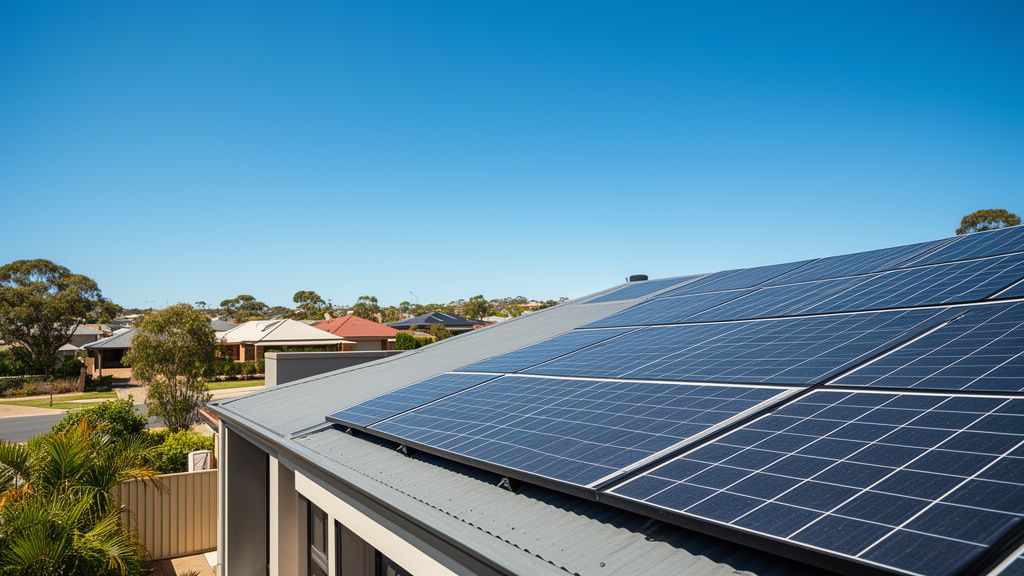
A 6.6kW solar system in Adelaide is expected to generate approximately 9,000 to 11,000 kilowatt-hours (kWh) of electricity annually, providing a substantial reduction in your household energy costs. This range accounts for average weather patterns, seasonal variations, and typical system efficiencies in South Australia. Given Adelaide's excellent solar irradiation, a well-installed 6.6kW system is a potent investment, offering a significant portion of the average Australian household's annual electricity consumption (which is around 6,000-8,000 kWh). Understanding these figures helps homeowners set realistic expectations for their solar investment and plan their energy usage accordingly to maximise self-consumption and savings.
Understanding Adelaide's Solar Irradiation
Adelaide benefits from abundant sunshine, making it one of Australia's prime locations for solar power generation. On average, Adelaide receives about 4.5 to 5.5 peak sun hours per day throughout the year. Peak sun hours refer to the equivalent number of hours per day when solar irradiation averages 1,000 watts per square metre. This consistent solar resource directly translates to high potential output for solar systems, especially when compared to cities further south or areas with more frequent cloud cover. This natural advantage is a core reason why solar energy is such a popular and effective solution for reducing electricity bills in the region.
Calculating Average Daily Yield
To estimate the average daily yield, you can multiply the system size (6.6kW) by the average peak sun hours (e.g., 5 hours) and then factor in a system loss efficiency (typically 0.75-0.85 to account for temperature, inverter efficiency, wiring losses, and dust). For a 6.6kW system, a rough calculation might be 6.6 kW x 5 peak sun hours x 0.8 (efficiency) = 26.4 kWh per day. This calculation shows that an Adelaide 6.6kW system can comfortably generate enough power to cover a significant chunk of daily household energy needs, and often export surplus electricity back to the grid.
What Are the Key Factors Influencing Your Solar System's Output?
The actual electricity generated by your 6.6kW solar system is primarily influenced by panel orientation, tilt angle, shading, system component quality, and regular maintenance, all of which directly impact its efficiency and overall performance. Optimising these factors ensures your system operates at its peak capacity, especially in Adelaide's sunny conditions. A system that is not correctly positioned or suffers from significant shading can see its output dramatically reduced, sometimes by as much as 20-30%, negating some of the financial benefits of going solar. Investing in quality components also plays a crucial role, as higher efficiency panels and inverters convert more sunlight into usable electricity.
The Impact of Panel Orientation and Tilt
For optimal year-round generation in the Southern Hemisphere, solar panels should ideally face north. This orientation allows them to capture the most direct sunlight throughout the day. The tilt angle is also crucial; in Adelaide, a tilt of approximately 20 to 30 degrees from horizontal is generally recommended for maximising annual energy yield. Roof pitch often dictates the tilt, but adjustable racking can sometimes be used to fine-tune this for even better performance, balancing summer and winter output. A professional installer will always assess your specific roof and recommend the best configuration to maximise sunlight exposure.
Minimising the Effects of Shading
Shading, even partial, can drastically reduce your solar system's output. A single shaded panel in a string can limit the output of all other panels in that string, a phenomenon known as the "Christmas light effect." Common culprits include nearby trees, chimneys, vents, or neighbouring buildings. During the design phase, it's vital to conduct a thorough shade analysis for all seasons. Solutions might include trimming trees, relocating roof obstructions, or using advanced inverter technologies like micro-inverters or power optimisers, which allow individual panels to perform independently, mitigating the impact of partial shading.
How Can You Maximise the Return on Investment for Your Adelaide Solar System?
Maximising your return on investment for a 6.6kW solar system in Adelaide involves strategically using generated power, understanding local feed-in tariffs, and selecting durable, efficient components that promise longevity. The most significant financial benefit comes from self-consuming the electricity you generate rather than exporting it, as the retail price of electricity you avoid paying is typically much higher than the feed-in tariff you receive for exported power. This strategic approach ensures you get the most bang for your buck, reducing your energy bills as much as possible and accelerating your payback period.
The Importance of Self-Consumption and Smart Energy Use
Self-consumption is king when it comes to solar savings. By using your solar-generated electricity directly in your home, you avoid purchasing power from the grid at its higher retail rate. For instance, running your dishwasher, washing machine, or pool pump during the day when your solar panels are producing is far more cost-effective than doing so at night. Smart home energy management systems, timers, and even battery storage solutions can further enhance self-consumption, ensuring you leverage every electron your system generates. This proactive approach turns your solar system into a direct bill-reducer.

Navigating Adelaide's Feed-in Tariffs
Feed-in Tariffs (FiTs) are payments you receive for surplus electricity exported back to the grid. In South Australia, FiTs are typically set by individual electricity retailers and vary, usually ranging from 5 to 10 cents per kWh. While not as generous as in previous years, they still provide a valuable credit against your bill for power you don't use yourself. It's wise to compare offers from different retailers to find the best FiT for your solar system, as even a small difference can add up over the year. Regularly reviewing your electricity plan can help ensure you're always getting the best deal for your exported energy.
What Is the Typical Cost and Payback Period for a 6.6kW Solar System in Adelaide?
The typical cost for a quality 6.6kW solar system installed in Adelaide generally ranges from $5,500 to $8,500 after government rebates, with payback periods often falling between 3 to 6 years, making it a highly attractive investment for homeowners. These figures are for a good quality system from a reputable installer, using tier-one panels and a reliable inverter. Prices can fluctuate based on the specific brands chosen, complexity of the installation, and any additional features like optimisers or advanced monitoring. It's crucial to get multiple quotes to ensure you're getting a competitive price for a high-quality system.
Understanding Government Rebates and Upfront Costs
The upfront cost of a solar system in Australia is significantly reduced by the Small-scale Technology Certificates (STCs) scheme, a federal government incentive. These certificates are generated based on the expected future output of your system over its lifespan. For a 6.6kW system in Adelaide, this rebate can effectively reduce the purchase price by several thousand dollars. Most solar installers will factor the STC value directly into their quoted price, offering you a discounted 'out-of-pocket' cost. It's always worth clarifying how the STC rebate has been applied in any quote you receive.
Estimating Your Payback Timeline
The payback period is the time it takes for your accumulated electricity bill savings and FiT credits to equal the initial cost of your solar system. For an Adelaide homeowner, with a 6.6kW system costing around $7,000 (after rebates) and saving roughly $1,500-$2,500 per year on electricity bills, the payback period can be as short as 3 to 5 years. Factors such as your household's electricity consumption patterns, the retail price of electricity, and the feed-in tariff you receive all influence this timeline. A shorter payback period means you start enjoying pure savings sooner.
Key Takeaways
- A 6.6kW solar system in Adelaide can generate 9,000-11,000 kWh annually, offering significant bill reductions.
- Optimise your system's output by ensuring north-facing panels, an ideal tilt, and actively mitigating shading.
- Maximise your return on investment by prioritising self-consumption of generated electricity over exporting it.
- Compare various electricity retailer feed-in tariffs in Adelaide to ensure you receive the best credit for surplus power.
- Expect to pay between $5,500 and $8,500 for a quality 6.6kW system after government rebates, with a payback period typically 3-6 years.
Read More
For a comprehensive overview, check out our master guide: Read the Full Guide Here.