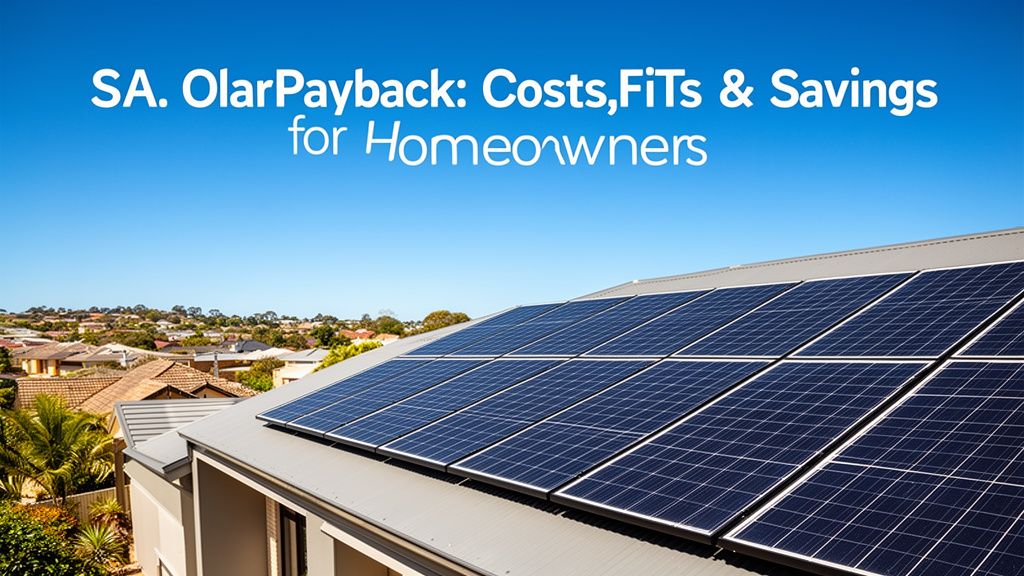
TL;DR: South Australia is a national leader in solar adoption, driven by strong sunshine, competitive pricing, and supportive feed-in tariffs. Homeowners can expect average 6.6kW system costs around $6,000-$8,000, with payback periods typically ranging from 3-5 years due to significant savings on electricity bills.
What makes South Australia an ideal state for solar energy adoption?
South Australia is an ideal state for solar energy adoption due to its abundant sunshine, high electricity prices, and a strong government commitment to renewable energy. The state consistently ranks among the highest in Australia for rooftop solar penetration, demonstrating a clear appetite from residents to harness the suns power. This combination of natural resources and policy support creates a highly favourable environment for solar investment, translating into tangible benefits for homeowners and contributing significantly to the state's ambitious renewable energy targets.
Abundant Sunlight and High Grid Prices
SA has some of the highest solar irradiance levels in Australia, particularly across its northern and western regions, meaning solar panels here can generate more power compared to many other locations. This efficiency directly translates into greater electricity generation and faster returns on investment for system owners. Compounding this natural advantage are South Australia's notoriously high retail electricity prices. With some of the dearest power bills in the nation, the financial incentive to generate your own electricity and reduce reliance on the grid is exceptionally strong for SA residents.
Progressive Renewable Energy Policies
South Australia has set ambitious renewable energy targets, aiming for 100% net renewable electricity by 2030, supporting an environment favourable to solar growth. The state government has actively promoted the uptake of solar PV through various initiatives and regulations, encouraging widespread installation across residential and commercial sectors. This progressive stance on renewables provides a stable policy framework for installers and consumers while positioning SA as a forward-thinking leader in the national energy transition, attracting further innovation and investment in solar technologies.
What is the typical cost of a residential solar system in South Australia?
The typical cost of a residential solar system in South Australia for a common 6.6kW setup ranges from $6,000 to $8,000, factoring in the substantial federal STC (Small-scale Technology Certificate) rebate. This pricing makes solar power highly accessible for many households looking to reduce their energy bills and carbon footprint. While these figures represent an average, homeowners need to understand that the final price can vary based on several key factors, ensuring they make an informed decision when investing in renewable energy.
Average System Costs by Size
A smaller 5kW solar system in South Australia might typically cost between $5,000 and $7,000 after rebates, suitable for smaller homes or those with lower energy consumption. For larger households or those planning for future energy needs, a 10kW system could range from $9,000 to $12,000. These prices generally include quality solar panels, an inverter, and professional installation. Note that these costs exclude potential battery storage solutions, which add an additional $5,000 to $15,000 to the upfront investment, depending on capacity and brand.
Factors Influencing Solar System Pricing
The overall cost of a solar system is influenced by several variables. The quality and brand of components, such as tier-1 panels and a reliable inverter, often command a higher price but offer superior performance and longer warranties. The complexity of the installation, including roof type (e.g., tile vs. corrugated iron), roof pitch, and ease of access, can also impact labour costs. Furthermore, the reputation and experience of the solar installer play a role, with established companies often providing better after-sales support and warranties, which are valuable considerations beyond the initial price tag.
How do South Australian feed-in tariffs benefit solar homeowners?
South Australian feed-in tariffs (FiTs) benefit solar homeowners by crediting them for surplus electricity exported back to the grid, directly reducing their overall power bills. These credits effectively turn your rooftop into a small power station, earning you money (or bill credits) for the clean energy you do not consume yourself. Understanding how FiTs work is essential for maximising the financial return on your solar investment and contributes significantly to the system's overall payback period.
Understanding Current FiT Rates
Unlike some states with a mandated minimum FiT, South Australia's rates are generally set by individual electricity retailers, promoting competition among providers. These rates typically range from 5c to 12c per kilowatt-hour (kWh) for electricity exported to the grid. While these rates are often lower than the retail price you pay for grid electricity, they still offer a valuable financial incentive. Some retailers may offer slightly higher FiTs as part of specific energy plans, particularly if customers also purchase their grid electricity from the same provider, or have a smart meter installed to accurately measure exports.
Maximising FiT Value through Self-Consumption
While FiTs are beneficial, maximising self-consumption (using solar power as it is generated) is often more financially advantageous than solely relying on export credits. The retail price you pay to buy electricity from the grid is typically much higher (around 30-40c/kWh) than the FiT rate you receive for exporting. Therefore, by shifting high-energy use activities like running washing machines, dishwashers, or pool pumps to daylight hours, homeowners can drastically reduce the amount of expensive grid power they need to import, leading to greater overall savings. Adding battery storage is another excellent strategy to increase self-consumption by storing excess solar for evening use.
What is the estimated payback period for solar panels in South Australia?
The estimated payback period for a typical residential solar system in South Australia ranges from 3 to 5 years, making it one of the faster returns on investment in the country. This rapid payback period comes from the combination of excellent solar conditions, high electricity prices, and strong federal incentives that make solar power an exceptionally shrewd financial decision for SA homeowners. Once the system has paid for itself, the electricity it generates is essentially free, leading to decades of substantial savings.
Calculation Factors for Payback Period
Several factors influence the precise payback period for a solar system in South Australia. These include the initial system cost (after federal rebates), the amount of electricity generated by the system, the homeowner's electricity consumption patterns, and the prevailing electricity and feed-in tariff rates. Households with higher daytime energy usage, who can maximise their self-consumption, will typically see a quicker payback. Additionally, choosing a well-sized system that matches your energy needs without being excessively large for your usage can optimise the return on investment.
Long-Term Savings and Increased Home Value
After the initial payback period, which can be as short as three years, homeowners essentially generate free electricity for the remaining 20-25+ years of the system's lifespan. This translates into tens of thousands of dollars in savings on electricity bills over the long term, making solar one of the most significant home investments for financial gain. Beyond the direct savings, installing solar panels can also significantly increase a property's market value, appealing strongly to energy-conscious buyers who appreciate the immediate benefits of reduced ongoing energy costs and a smaller environmental footprint.
Key Takeaways
- South Australia offers an excellent environment for solar power due to high sunshine levels and some of the highest electricity prices in Australia.
- A common 6.6kW residential solar system in SA typically costs between $6,000 and $8,000 after factoring in federal government rebates.
- South Australian feed-in tariffs, set by individual retailers, range from 5c to 12c per kWh, providing credits for exported excess solar power.
- The estimated payback period for a solar system in SA is remarkably fast, usually between 3 to 5 years, due to significant bill savings.
- Maximising self-consumption of generated solar power during daylight hours offers greater financial benefit than relying solely on feed-in tariffs.