Cracking the Code: What Battery Size Do You Really Need for Your 10kW Solar System?
So, you've invested in a shiny new 10kW solar PV system – congratulations! You're generating clean energy and contributing to a greener future. But are you making the most of your solar power? That’s where batteries come in. Choosing the right battery size is crucial for maximising your savings and energy independence. But what's the sweet spot?
Before we dive in, if you're looking for a deep dive into determining the perfect battery size for your home, check out our Complete Guide.
The truth is, there's no one-size-fits-all answer. Determining the optimal battery size for your 10kW system is a bit like tailoring a suit – it needs to be a perfect fit for your individual needs and energy consumption habits.
Here's a breakdown of the key factors to consider:
1. Understanding Your Energy Consumption:
This is the most important step. You need to know how much electricity you use, and when you use it. Review your electricity bills for the past year. Pay close attention to:
- Daily Average Consumption: What's your average daily electricity usage in kilowatt-hours (kWh)?
- Peak Consumption Times: When do you use the most electricity? Is it during the day when the sun is shining (and your solar is generating)? Or is it in the evenings, after the sun has set?
- Seasonal Variations: Does your energy consumption change significantly between summer and winter? Air conditioning in summer or heating in winter will drastically affect your needs.
Once you have a good grasp of your energy profile, you can start to estimate how much battery storage you actually need.
2. Solar Production and Self-Consumption:
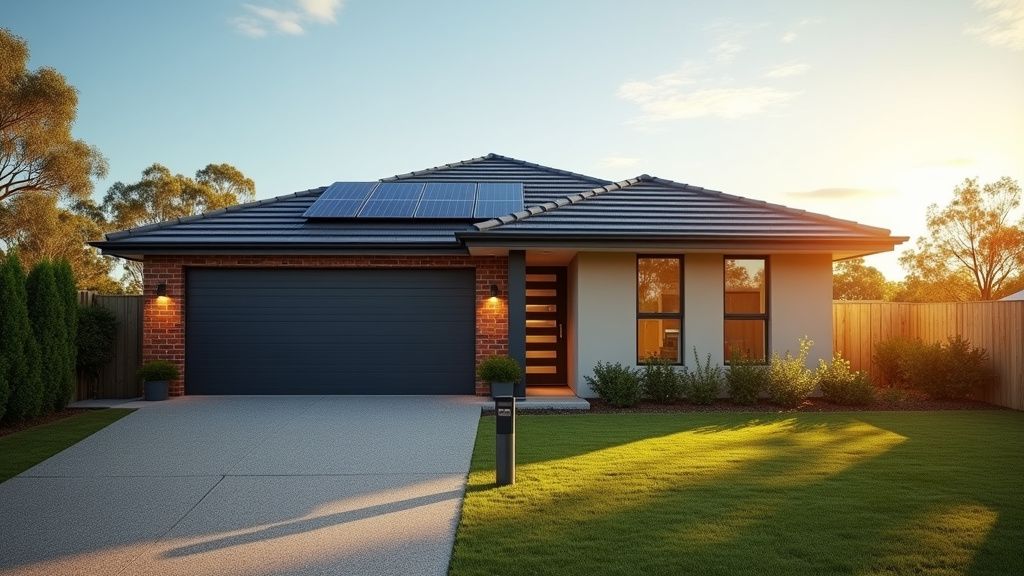
A 10kW solar system in Australia, depending on location and panel orientation, can generate a significant amount of electricity. In optimal conditions, you could be looking at around 40-50 kWh per day. However, you're unlikely to use all that energy directly as it's being produced. This is where a battery comes into play, storing excess solar energy for later use.
Ask yourself:
- How much of your solar energy are you currently using directly (self-consumption)? If you're running appliances like dishwashers, washing machines, and pool pumps during the day, you'll be using a significant portion of your solar power immediately.
- How much excess solar are you exporting to the grid? Exporting excess electricity earns you a feed-in tariff (FiT), but this is typically much lower than the cost of buying electricity from the grid.
The more excess solar you export, the more you could potentially benefit from battery storage.
3. Battery Size Considerations:

Generally, for a 10kW solar system, battery sizes between 5kWh and 15kWh are common. Here's a rough guide:
- 5-7kWh Battery: A smaller battery is suitable if you have relatively low energy consumption or already self-consume a large portion of your solar power. It can help you cover evening usage and reduce your reliance on the grid.
- 10kWh Battery: This is a good middle-ground option for many households. It offers a reasonable amount of storage for covering evening and overnight usage, especially for households with moderate energy consumption.
- 13-15kWh Battery: A larger battery is ideal for households with higher energy consumption, particularly if you use a lot of electricity in the evenings or experience frequent power outages. It allows you to maximise self-consumption and potentially even achieve energy independence.
4. Financial Considerations and ROI:
Solar batteries are a significant investment. Prices in Australia can range from around $8,000 to $18,000, depending on the battery size, technology, and installation costs.
Before making a decision, calculate the return on investment (ROI). Consider:
- Reduced Electricity Bills: How much will you save on your electricity bills by using stored solar energy instead of buying from the grid?
- Feed-in Tariff (FiT) Earnings: How will a battery affect your FiT earnings? You'll likely export less excess solar to the grid, but you'll also be buying less electricity from the grid.
- Government Incentives and Rebates: Check for any government incentives or rebates available in your state or territory. These can significantly reduce the upfront cost of a Solar Battery.
5. Future Energy Needs:
Think about your future energy needs. Are you planning to purchase an electric vehicle (EV)? Do you anticipate an increase in your electricity consumption due to a growing family or other lifestyle changes? If so, you might want to consider a larger battery to accommodate your future energy demands.
The Takeaway:
Choosing the optimal battery size for your 10kW solar system requires careful consideration of your individual energy consumption, solar production, financial factors, and future needs. There's no substitute for getting personalized advice from a qualified solar installer. They can assess your specific situation and recommend the best battery size and technology for your needs. Don't be afraid to shop around and get multiple quotes. Doing your research and seeking expert advice will ensure you make a smart investment that maximizes your savings and energy independence. Remember to check out our Complete Guide for even more in-depth information!