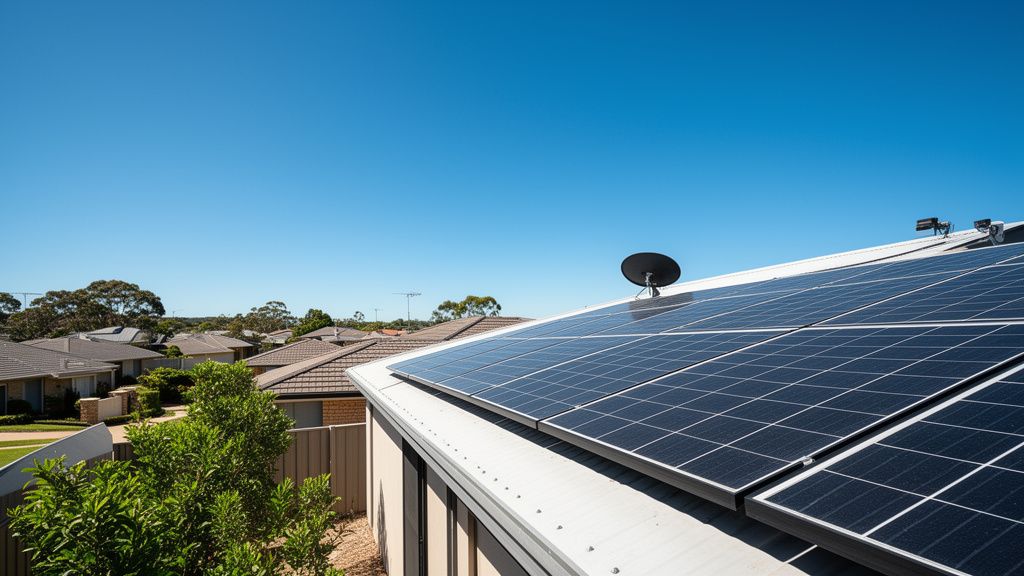
TL;DR: Australia's energy grid is transforming with major battery storage projects like Liddell, the Melbourne Renewable Energy Hub, and Ulinda Park. These facilities provide critical stability, store surplus renewable energy, and help manage grid demand, ensuring a reliable power supply as coal generation phases out. They are essential for integrating more solar and wind power into the National Electricity Market.
Why Are Large-Scale Batteries Essential for Australia's Energy Transition?
Large-scale battery energy storage systems are essential for Australia's energy transition because they stabilise the grid as more intermittent renewable energy comes online. Wind and solar power fluctuate with weather conditions, creating periods of high generation and low generation. Batteries store excess power during sunny or windy times, then release it when renewables dip or demand spikes. This capability directly addresses the challenge of moving away from consistent, dispatchable coal-fired power, which has traditionally underpinned the National Electricity Market (NEM). Without substantial storage, the grid struggles to maintain frequency and voltage, leading to potential instability or even blackouts.
How Batteries Manage Grid Fluctuations
Batteries respond to grid fluctuations far quicker than traditional power stations. Within milliseconds, they can absorb or inject power, acting as a crucial buffer. When a large industrial load suddenly comes online, or a cloud passes over a major solar farm, the grid experiences an immediate imbalance. Batteries instantly counteract this by adjusting their output, maintaining the delicate supply-demand equilibrium. This rapid response prevents frequency deviations that could trip safety systems and cause widespread outages. They also offer "firming" services, ensuring that a certain amount of renewable energy is available on demand, even if the sun isn't shining or the wind isn't blowing.
The Role of Batteries in Preventing Blackouts
Preventing blackouts is a primary function of these large battery installations. During extreme heatwaves, for instance, air conditioning demand can push the grid to its limits. When a major power generator unexpectedly trips offline, a rapid reduction in available power can destabilise the entire system. Batteries step in immediately to fill this gap, buying time for other generators to ramp up or for demand management measures to take effect. They provide "synthetic inertia" and "system strength" services, replicating some of the technical characteristics that large spinning generators offer, which are vital for overall grid robustness and resilience. This keeps the lights on when traditional sources falter.
What Do Liddell, MREH, and Ulinda Park Bring to the Grid?
Liddell, the Melbourne Renewable Energy Hub (MREH), and Ulinda Park are three major battery projects adding significant storage capacity and stability to the National Electricity Market (NEM). Each project is strategically located to address specific regional grid needs while contributing to the overall national goal of integrating more renewable energy. Their combined capacity represents a substantial boost to Australia's ability to manage a modern, decentralised power system. These installations are not just about storing energy; they are about providing critical grid services that maintain a reliable supply.
The Liddell BESS: Repurposing a Power Station Site
The Liddell Battery Energy Storage System (BESS) is a 500 megawatt (MW) / 1,000 megawatt-hour (MWh) facility situated at the site of the former Liddell coal-fired power station in New South Wales. AGL, which owned the coal plant, is developing this battery, making it a clear example of transitioning from fossil fuels to renewables. Its location is highly strategic; it uses existing transmission infrastructure previously connected to the coal plant, minimising new build costs and grid connection complexities. This battery can power around 150,000 average Australian homes for up to two hours during peak demand. It provides essential firming capacity and system strength services to the NSW grid, particularly important given the closure of other coal generators.
Melbourne Renewable Energy Hub: Powering Victoria's Future
The Melbourne Renewable Energy Hub (MREH) is an ambitious multi-phase project in Victoria, ultimately aiming for 1,200 MW of battery storage, equivalent to 4,800 MWh. Neoen, the French renewable energy giant, is behind this development. The first stage, a 600 MW / 1,600 MWh battery, commenced construction in early 2024. This facility sits near Melton, west of Melbourne, and is crucial for Victoria's energy security, especially as the state pursues aggressive renewable energy targets. MREH will provide significant grid stabilisation, firming for Victoria's wind and solar farms, and help manage demand spikes in the state's largest population centre. It is one of the largest planned battery projects in the southern hemisphere.
Ulinda Park Battery: Strengthening Queensland's Connection
The Ulinda Park Battery, a 400 MW / 1,600 MWh project in Queensland, is being developed by CS Energy, a Queensland government-owned corporation. Located near Gympie, this battery plays a vital role in strengthening the transmission network in regional Queensland. It will improve the reliability of power supply for residents and industries in the area and help manage the increasing amount of renewable energy coming from solar farms in Central and Northern Queensland. The Ulinda Park battery provides capacity to store energy when Queensland's vast solar resources are generating at their peak, then discharge it during evening peaks, supporting the state's path towards 70% renewable energy by 2032.


How Do These Battery Projects Affect Australian Energy Consumers?
These major battery projects aim to improve energy reliability and potentially stabilise electricity prices for Australian consumers by better managing supply and demand. By providing a flexible, on-demand energy source, they reduce the reliance on expensive peak-time generation and mitigate the volatility often seen in wholesale electricity markets. While direct bill reductions are complex and depend on many factors, the overall effect of a more stable and resilient grid benefits everyone. These projects also help future-proof Australia's energy supply against global fuel price shocks, offering a locally generated solution.
Impact on Wholesale Energy Prices
Large-scale batteries directly influence wholesale energy prices by smoothing out supply and demand peaks. During periods of high renewable generation, batteries can absorb surplus power, preventing prices from dropping too low or even going negative. Conversely, during evening peaks when demand is high and solar generation has ceased, batteries discharge stored energy, reducing the need for expensive, fast-start gas peaker plants. This arbitrage function helps to narrow the gap between peak and off-peak prices, leading to a more consistent average wholesale price. While consumers don't directly see wholesale prices, these savings eventually filter through to retail offers from electricity providers.
Enhanced Grid Reliability and Blackout Prevention
Enhanced grid reliability and blackout prevention are tangible benefits for Australian households and businesses. The rapid response capabilities of these batteries mean fewer unexpected power interruptions and less risk of large-scale system collapses. For example, during summer heatwaves, when the grid is most stressed, these batteries can provide instantaneous support, preventing forced load shedding (planned blackouts). This increased stability reduces the economic cost of outages and provides greater peace of mind for consumers. It means homes stay powered, businesses remain operational, and critical services continue uninterrupted, even during challenging grid conditions.
Key Takeaways
- Large-scale batteries like Liddell, MREH, and Ulinda Park are crucial for stabilising Australia's grid as it transitions to renewable energy.
- These projects store excess solar and wind power, releasing it when needed to manage demand peaks and prevent supply shortfalls.
- Liddell (NSW), MREH (VIC), and Ulinda Park (QLD) collectively add significant storage capacity and provide essential grid services.
- Batteries help smooth wholesale electricity prices by reducing reliance on expensive peak generation and optimising renewable output.
- Greater battery deployment enhances grid reliability, reduces the risk of blackouts, and supports Australia's clean energy targets.
Read More
For a comprehensive overview, check out our master guide: Read the Full Guide Here.