Is Lower Degradation Worth the Extra Cost for Premium Solar Panels in Australia?
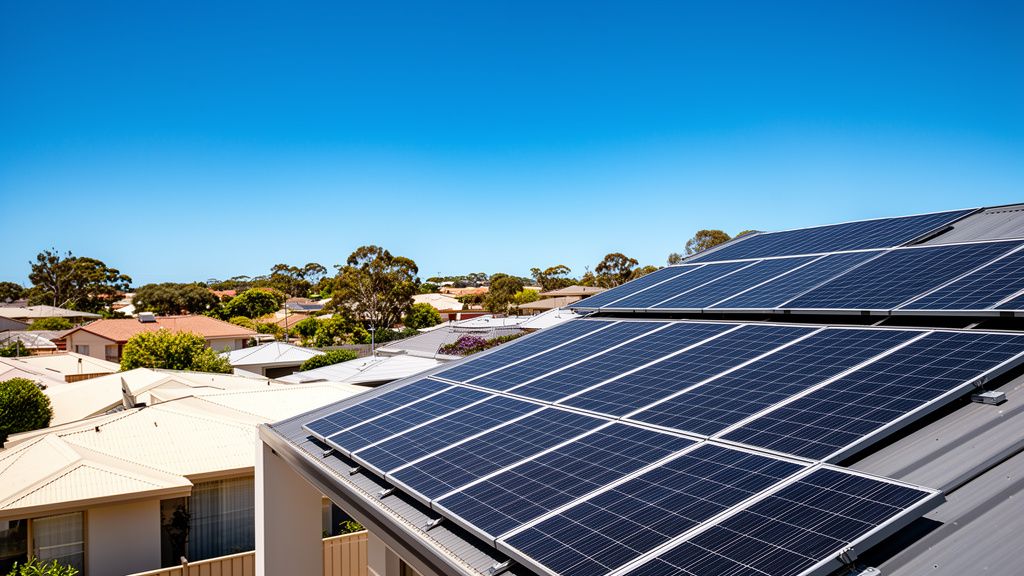
So, you’re looking at jumping on the solar bandwagon – excellent choice for the Aussie sun! As you delve into quotes and options, you’ll quickly realise that not all solar panels are created equal. Beyond obvious factors like panel efficiency and aesthetic appeal, one term keeps popping up: degradation. Specifically, the lower degradation rates offered by premium panels versus their standard counterparts. But here's the burning question for many Australian homeowners: is paying extra for lower degradation truly worth it? Let's break it down, Aussie style.
Understanding Solar Panel Degradation
Before we dive into the financials, let’s get clear on what degradation actually means. Solar panel degradation refers to the gradual loss of a panel's power output over time. It's a natural phenomenon, much like the battery in your phone slowly holding less charge. This isn't a defect; it's just how the materials age under constant exposure to UV light, heat, and other environmental factors. Most manufacturers provide a performance warranty, typically guaranteeing a certain percentage of the original output after 25 to 30 years. For instance, a common warranty might promise 80-85% of the initial power output after 25 years.
Standard vs. Premium Panels: The Degradation Difference
This is where the distinction becomes crucial. Standard solar panels (think Jinko, Trina, Longi, Qcells) generally come with a degradation rate of around 0.5% to 0.7% per year after an initial, slightly higher degradation in the first year (sometimes up to 2-3%). This means that a panel rated at 400W might lose 2-3W of power each year. Over 25 years, this adds up. Their performance warranties typically guarantee around 80-83% of the initial output after 25 years.
Premium solar panels (such as SunPower Maxeon, REC, Winaico) often boast significantly lower degradation rates, sometimes as low as 0.25% to 0.4% per year, with minimal initial degradation. This difference might seem small annually, but it compounds over decades. Their performance warranties reflect this, guaranteeing 87-92% of the initial output after 25-30 years. They often achieve this through superior cell technology, robust encapsulation, and stringent manufacturing processes designed for longevity, especially in harsh climates like ours.
The Cost Factor: An Australian Perspective
Now for the wallet check. A 6.6kW solar system – a common size for many Aussie homes – might cost anywhere from $5,000 to $8,000 for a reputable installation using standard panels, after STCs (Small-scale Technology Certificates). Upgrading to premium panels for the same 6.6kW system could push the price up to $8,000 to $12,000 or even higher, depending on the brand and installer.
This represents a significant upfront investment difference of $3,000 to $4,000+, sometimes more. The question then becomes: will the increased energy generation from lower degradation panels eventually offset this higher initial cost?
Long-Term Performance and Energy Yield
Let’s visualise this. Imagine a 6.6kW system made up of 16 x 415W panels.
- A standard panel losing 0.6% annually might produce approximately 15% less power than its initial rating after 25 years.
- A premium panel losing 0.3% annually might produce only 7.5% less power after 25 years.
Over two and a half decades, this translates to thousands of kilowatt-hours (kWh) of additional electricity generated by the premium system. With Australian electricity prices continually rising (currently hovering around $0.25 - $0.35 per kWh in many states), those extra kWh definitely add up. This higher output means more self-consumption and potentially more credit from feed-in tariffs, although FiTs are generally low these days.

Financial Implications: Is it Worth the Investment?
To determine if the extra cost is justified, consider your long-term plans. If you intend to stay in your home for 15-20+ years, the cumulative benefit of lower degradation becomes very compelling. The premium panels will continue to perform strongly for longer, maximising your savings and potentially offering a better return on investment over the system's lifespan.
While a standard system might pay itself off in 3-5 years, a premium system might take 5-7 years due to the higher upfront cost. However, over the subsequent 15-20 years, the premium system generates more power each year. For example, if a premium system generates an extra 500-1000 kWh per year compared to a standard system in its later years, that's an additional $125 - $350 annually in savings (at $0.25-$0.35/kWh). Over 10-15 years, this can easily add up to $1,250 - $5,250, potentially offsetting a significant portion or even all of the initial price difference.
Other Factors to Consider (Australian Context)
- Your Energy Needs: If you're a high-energy user, even a small percentage gain in output can lead to substantial savings.
- Climate Extremes: Australia's harsh sun and high temperatures accelerate degradation. Premium panels are often designed with better temperature coefficients and more robust materials, meaning they perform better in the heat and are less susceptible to rapid degradation from our intense UV. Some premium brands also offer enhanced hail resistance, which can be a peace of mind for those in storm-prone regions.
- System Lifetime: If you're only planning to live in your home for 5-10 years, the long-term benefits of lower degradation might not fully materialise for you. However, a premium system could be a selling point, adding value to your property.
- Battery Storage: If you plan to add a battery down the track, a higher-performing panel system will charge your battery more efficiently, especially later in its life, maximising your self-sufficiency.
- Roof Space: If you have limited roof space, premium panels often offer higher efficiency and lower degradation, meaning you can generate more power from fewer panels over a longer period.
The Environmental Angle
For those driven by environmental concerns, investing in lower degradation panels means your system remains more productive and effective as a source of clean energy for longer. This extends the useful life of your solar array, potentially reducing the need for premature replacement and further contributing to a greener footprint.
Conclusion
So, is lower degradation worth the extra cost for premium solar panels in Australia? For many homeowners, especially those planning to stay in their property for the long haul (15+ years), the answer is a resounding yes. While the initial outlay is higher, the sustained performance, greater energy output, and enhanced durability against our tough climate can lead to significant cumulative savings and a better return on investment over the system's extensive lifespan.
Ultimately, the decision boils down to your budget, your long-term plans, and your priorities. If you value maximum long-term savings, peace of mind, and robust performance in the Aussie sun, premium panels with their superior degradation rates are a sound investment. However, if your budget is tighter and your outlook shorter, a quality standard system can still deliver excellent savings and environmental benefits. Always get multiple quotes and discuss your specific needs with a reputable Australian solar installer to find the best fit for your home.
Read More
For a comprehensive overview, check out our master guide: Read the Full Guide Here.