"# Hybrid Solar Systems with Battery Storage: A Guide for Australian Homes
The hum of a well-optimised home, powered by the sun, is becoming an increasingly attractive prospect for Australians. With electricity prices steadily climbing and the reliability of our grid sometimes in question, more homeowners are exploring advanced solar solutions. Hybrid solar systems, particularly those with the option of battery storage, are emerging as a versatile and powerful answer to these challenges. For a deeper dive into setting up your own energy system, check out our Complete Guide.
This guide from SolarInsights will demystify hybrid solar, helping you understand how these smart systems can work for your Australian household, whether you choose to integrate a battery from day one or plan for it down the track.
What Exactly is a Hybrid Solar System?
At its core, a hybrid solar system is an intelligent energy solution designed to give you greater control over your home's power supply. Unlike traditional grid-tied systems that simply export excess power back to the grid, a hybrid setup introduces a crucial element: a hybrid inverter.
This system typically comprises:
- Solar Panels: To capture the sun's energy.
- Hybrid Inverter: The "brain" that manages energy flow.
- Grid Connection: To draw power when needed and export surplus.
- Optional Battery Storage: To store excess solar power for later use.
The real magic of a hybrid design lies in its flexibility. During daylight hours, your home runs directly on solar power. If you have a battery, any surplus energy can be stored for evening use. When solar production is low (e.g., on a cloudy day) or at night, the system can seamlessly draw power from your battery (if installed) or from the main electricity grid. This adaptability is precisely why hybrid systems are gaining immense popularity among Australian families keen on reducing their energy bills and securing their future energy needs.
The Burning Question: Can a Hybrid Solar System Operate Without a Battery?
This is a common query, and the answer is a resounding yes, it absolutely can!
While adding battery storage unlocks the full potential of a hybrid system, it’s entirely possible to install and operate one effectively without a battery. The way it functions, the benefits you gain, and what you might miss out on are determined by whether or not you've made that battery investment.
Let's break down how this works in both scenarios.
Hybrid Solar Without Battery Storage: Immediate Savings, Future-Ready
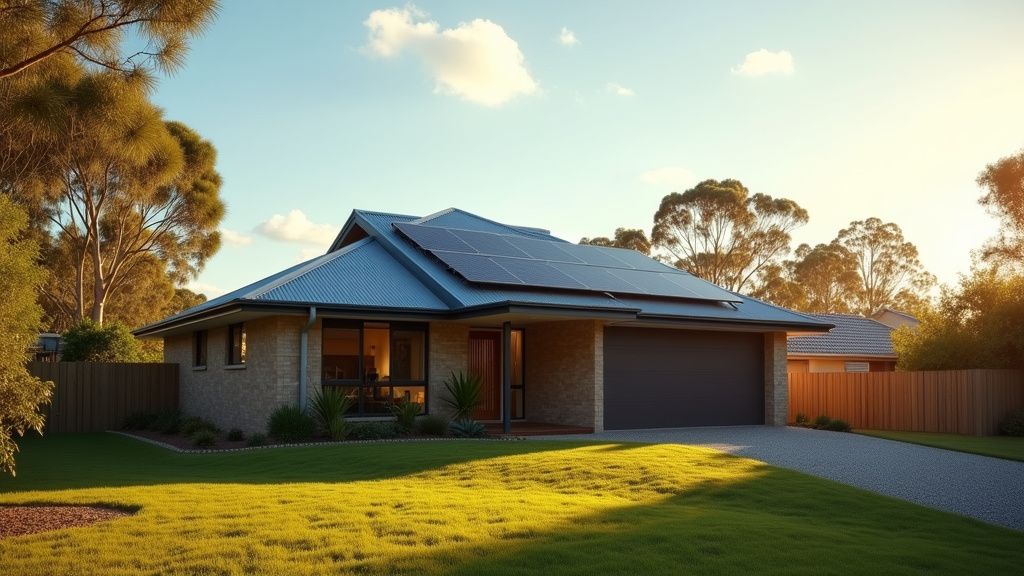
When a hybrid solar system is installed without a battery, it operates much like a sophisticated grid-connected system.
- Daytime Power: Your solar panels generate electricity, which is used first to power your home or business.
- Excess Export: Any additional energy not immediately consumed is automatically exported to the main electricity grid, earning you feed-in tariffs.
- Night-time & Low Production: When solar energy production is insufficient (e.g., at night or on heavily overcast days), your home automatically draws electricity from the grid to meet its demands.
So, yes, a hybrid system without a battery still harnesses solar power, helps significantly lower your electricity costs, allows you to export surplus energy, and operates safely and efficiently.
Key Considerations Without a Battery:
- No Blackout Protection: A critical point often misunderstood is that without a battery and a specific blackout protection setup, your hybrid system will safely shut down during a grid outage. This is a safety measure to protect utility workers. To maintain power during blackouts, a battery is essential.
- No Stored Solar for Night Use: While you save money during the day, you won't have access to your own stored solar energy once the sun goes down; you'll revert to drawing from the grid.
In essence, a hybrid system without a battery offers immediate cost savings and a future-proof setup, but it doesn't provide the energy independence or blackout resilience that comes with storage.
Hybrid Solar With Battery Storage: Unlocking Full Potential
Integrating a battery into your hybrid solar system transforms its capabilities, unlocking its full potential for energy independence and reliability.
- Energy Storage: The primary advantage is the ability to store excess solar power generated during the day.
- Night-time & Peak Shaving: This stored energy can then be used to power your home at night, during peak tariff periods, or whenever solar production is low, significantly reducing your reliance on grid electricity.
- Blackout Protection: With a properly configured battery and inverter, your home can maintain power during grid outages, providing crucial backup for essential circuits.
- Optimised Self-Consumption: The system intelligently prioritises using your own solar power, then drawing from your battery, and only as a last resort, pulling from the grid.
The hybrid inverter plays an even more pivotal role here, smartly managing the flow of electricity between your solar panels, the battery (charging and discharging), the grid, and your home, ensuring optimal energy utilisation.
The Flexible Heart: Your Hybrid Inverter
The hybrid inverter is truly the most important component that makes these systems so adaptable and efficient. It acts as the central orchestrator, intelligently directing electricity from your solar panels, managing battery charge and discharge cycles, connecting to the grid, and delivering power to your home or business precisely when needed.
This smart control ensures that solar energy is prioritised, then battery power, and only then is grid electricity utilised. Many high-quality hybrid inverters are built for durability and flexibility, functioning exceptionally well even without a battery. Critically, they are also designed for easy integration of batteries in the future, allowing you to upgrade your system seamlessly when your budget or energy needs evolve.
The 'Future-Ready' Advantage: A Smart Start
A significant number of Australian households choose to begin their solar journey with a hybrid system without a battery. This approach offers several compelling benefits:
- Lower Upfront Investment: You start enjoying immediate savings on your electricity bills without the substantial initial cost of battery storage.
- Test the Waters: It allows you to become familiar with solar energy production and your home's energy consumption patterns before committing to battery technology.
- Budget Flexibility: You can install the core solar system now and add a battery when your budget allows or when battery technology becomes even more efficient and affordable.
- Adaptability: It's ideal for homeowners who primarily use electricity during the day, have consistent grid connection, and want to reduce their power bills without a massive initial outlay.
By opting for a battery-ready hybrid system, you secure immediate financial benefits from solar energy while keeping the door open for future enhancements. It’s a smart way to cut electricity costs now, avoid high initial expenses, and upgrade your system as your circumstances or energy requirements change. This solution is often recommended for homeowners who value flexibility, intelligent energy planning, and long-term value.
Making the Right Choice for Your Australian Home
Choosing the right hybrid solar system configuration depends on your specific circumstances:
- Current Energy Usage: Do you use most of your electricity during the day or evening?
- Budget: What's your comfortable initial investment?
- Desire for Independence: How important is blackout protection and energy self-sufficiency to you?
- Future Plans: Are you considering electric vehicles or other energy-intensive appliances down the line?
Hybrid solar systems offer a truly adaptable pathway to a more sustainable and cost-effective energy future for Australian homes. Whether you start with the immediate savings of a battery-free setup or embrace the full independence of battery storage, these systems empower you to take control of your energy destiny. It's about smart planning, flexibility, and building a resilient power solution for years to come.