The DIY Off-Grid Dream: Setting Up a Hybrid Inverter in Your Shed
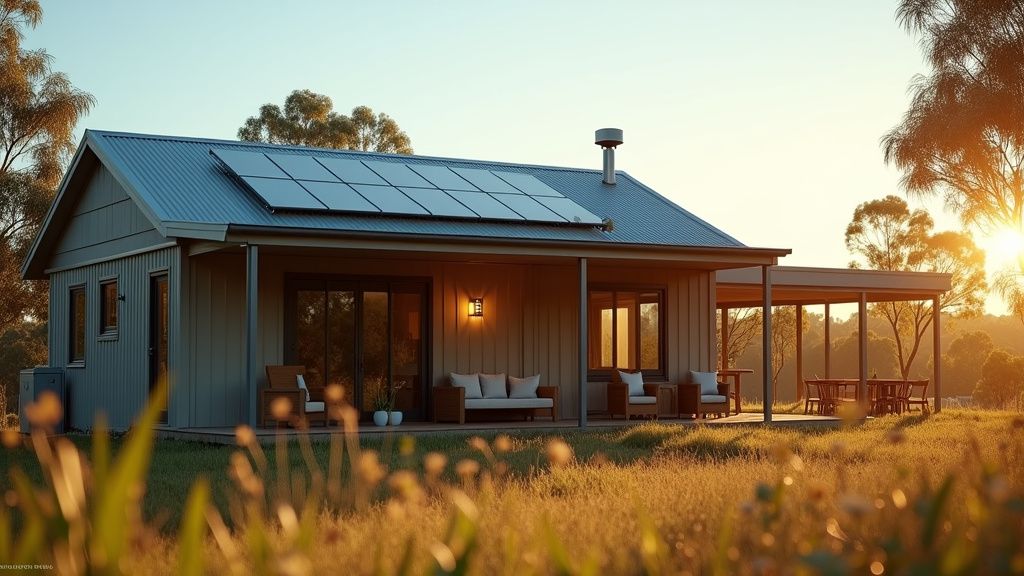
The lure of self-sufficiency is a powerful one, especially here in Australia where vast landscapes and rising energy costs inspire many to consider stepping off the grid. For a shed – whether it’s a workshop, a weekend retreat, or a remote office – creating an independent power source with solar and a hybrid inverter can feel like the ultimate DIY dream. But before you grab your spanners, let's unpack what it truly takes to make your off-grid shed a reliable reality.
Going off-grid is a different beast entirely compared to simply adding solar to a grid-connected home. When you cut the cord, your system stands alone, and every component must be robust and meticulously planned. Think of it as pre-purchasing a decade of electricity – a significant upfront investment directly tied to how much energy you intend to use. The golden rule for saving money here? Keep your energy demand as low as possible.
Foundations First: Energy Efficiency is Your Best Mate
Before you even look at panels or batteries, cast a critical eye over your shed and its intended appliances.
- Appliance Efficiency: This is non-negotiable. Opt for appliances with the highest energy efficiency ratings. A power-hungry fridge or a poorly insulated kettle can drastically inflate your system size and cost.
- Passive Design Principles: Even for a shed, simple passive design can make a world of difference. Consider smart placement of windows for natural light and ventilation, good insulation, and even thermal mass materials. By harnessing the sun's natural heating and cooling, you minimise reliance on active systems, dramatically cutting your power needs.
Knowing Your Needs: The Critical Load Profile
This step cannot be skipped. An accurate "load profile" is the blueprint for your entire off-grid system. List every appliance you plan to use in your shed, note its power rating (watts), and estimate how many hours a day you'll use it. Be honest and even a little conservative. This comprehensive list helps your system designer accurately size your solar array, batteries, and, crucially, your inverter.
Once you have your load profile, ask your designer for a clear sign-off on the daily energy supply estimate, particularly for the worst month of the year. This gives you a realistic expectation of your system’s performance under challenging conditions.
The Heart of the System: Inverters for Your Off-Grid Shed
So, you're thinking "hybrid inverter" for your off-grid shed? It’s a common thought, given their versatility in grid-tied setups. However, when it comes to truly independent, standalone off-grid power for your shed, there's a crucial point to understand.

Many hybrid inverters, designed primarily for grid-connected systems with battery backup, often have lower surge capabilities compared to their dedicated off-grid counterparts. This means they might struggle with sudden, short-term power spikes – like the moment a powerful angle grinder or air compressor kicks in in your workshop. Furthermore, some hybrid models may not include the vital auto-generator start function, a feature highly recommended for robust off-grid systems.
For a dedicated off-grid shed where reliability and the ability to handle varying loads are paramount, experts often suggest dedicated off-grid inverters. These units are built with higher surge ratings and often integrate generator management directly. If you are leaning towards a hybrid inverter for its potential future grid connection flexibility or for smaller, less demanding shed loads, ensure you scrutinise its surge capacity and check if it supports automatic generator startup.
Powering Up and Storing It: Panels and Batteries
- Solar Array: Oversizing your solar panel array can be a smart move, especially if your shed’s energy demands are largely during daylight hours. Generating surplus electricity during peak sun allows you to charge your batteries faster and potentially reduce the required battery size, optimising costs.
- Batteries: Lithium-ion batteries have largely taken over from traditional lead-acid for off-grid applications due to their falling prices and much greater usable capacity. However, remember that lithium-ion batteries have restricted charge rates in temperatures below 5°C. Consider your local climate carefully when selecting battery technology. Also, always ensure compliance with Australian battery standard AS/NZS 5139, which dictates safe installation locations, particularly prohibiting them in habitable rooms.
- Backup Generator: This isn't a luxury; it's an essential safeguard. Invest in a reliable auto-start backup generator. It will seamlessly kick in during extended periods of low solar input or unexpected events, ensuring uninterrupted power for your shed, even forming part of the system design for those cloudy winter months.
DIY Spirit Meets Expert Hands
While the "DIY" in "DIY Off-Grid Dream" is exciting, the complexity of off-grid systems means seeking professional guidance is crucial. Even if you plan to do much of the physical work yourself, engaging an experienced off-grid system designer for the planning and sign-off stages is invaluable. Ask to see examples of their previous off-grid work and, even better, speak directly to their past clients. An expert can navigate the nuances of system sizing, component selection, and regulatory compliance that can easily overwhelm a beginner.
Setting up an off-grid system for your shed is a significant undertaking, but with careful planning, an understanding of your energy needs, and a realistic approach to component selection – including the right inverter – you can achieve true energy independence. The dream of a self-sufficient shed, powered by the Australian sun, is well within your reach.