TL;DR: To choose the best CEC-accredited solar installer in Australia, prioritise those with a strong local track record, transparent pricing, comprehensive warranties, and excellent customer reviews. Always verify their CEC accreditation, review multiple detailed quotes, and ensure they offer reputable equipment from established brands.
Why is CEC Accreditation Crucial for Australian Solar Installers?
CEC accreditation is crucial for Australian solar installers because it ensures a high standard of quality, safety, and compliance with industry best practices. The Clean Energy Council (CEC) is Australia's peak body for the clean energy industry, and their accreditation program sets the benchmark for solar professionals. Opting for a CEC-accredited installer means your system will be designed and installed by professionals who have met stringent training and ethical requirements, giving you peace of mind that your investment is sound and your home is safe. Without CEC accreditation, installers might cut corners, leading to substandard work that could compromise your system's performance, longevity, and even your household's safety.
Ensuring System Safety and Quality Standards
Choosing a CEC-accredited installer directly contributes to the safety and quality of your solar power system. These professionals are trained to adhere to Australian Standards and industry guidelines, which are vital for preventing electrical hazards, ensuring correct system integration, and optimising performance. They understand the intricacies of electrical wiring, structural integrity for mounting panels, and proper inverter setup. This level of expertise minimises risks associated with poor installation, such as electrical fires, roof damage, or premature equipment failure. A non-accredited installer might overlook critical safety checks or use improper techniques, potentially leading to costly repairs or dangerous situations down the line.
Accessing Government Rebates and Incentives
CEC accreditation is a non-negotiable requirement for accessing valuable government rebates and incentives, such as the Small-scale Technology Certificates (STCs) program. The Australian government provides financial incentives to homeowners who install eligible solar power systems, significantly reducing the upfront cost of going solar. For instance, a typical 6.6kW solar system might see its upfront cost reduced by $3,000 - $4,000 through STCs, bringing the net price down to approximately $5,000 - $8,000 depending on location and equipment. If your system isn't installed by a CEC-accredited professional, it will not qualify for these subsidies, meaning you'd pay the full, unsubsidised price, making your solar investment considerably more expensive and increasing its payback period.
What Factors Indicate a Reputable Solar Installer's Experience and Reliability?
A reputable solar installer's experience and reliability are indicated by several key factors, including their long-standing local presence, a consistent track record of successful installations, and transparent business practices. The best installers aren't just selling solar panels; they're providing a long-term energy solution backed by solid customer service and a commitment to quality. Look for companies that have been operating for many years in your specific region, as this suggests stability and an understanding of local conditions, grid requirements, and common building standards. Their longevity often correlates with a strong reputation built on positive customer experiences.
Assessing an Installer's Track Record and Local Presence
Evaluating an installer's track record involves reviewing their portfolio of past projects, specifically looking for installations similar to what you require. A strong local presence is crucial because it often means they're easily accessible for after-sales support, maintenance, and warranty claims – a significant advantage over fly-by-night operators. Check how long they’ve been in business under their current name and verify their ABN. Seek out local reviews on platforms like Google, ProductReview, and Facebook, paying attention to how they handle any negative feedback. A company with many years in the local market is more likely to honour warranties and provide ongoing service, which is vital given solar systems are a 20+ year investment.
Evaluating Their Communication and Customer Support
Excellent communication and responsive customer support are hallmarks of a reliable solar installer. From your initial enquiry, assess how promptly and thoroughly they answer your questions, their willingness to provide detailed explanations without technical jargon, and their transparency regarding processes and timelines. A good installer will offer a clear point of contact and proactively communicate at every stage, from site assessment to installation and post-installation support. They should be able to clearly explain their warranty procedures for both workmanship and equipment. Beware of installers who pressure you into quick decisions or are difficult to get hold of; this can be a red flag for future support issues.
How Can You Verify the Quality of Solar Equipment and Warranties Offered?
You can verify the quality of solar equipment and warranties offered by ensuring the installer only supplies products from well-regarded, Tier 1 manufacturers and provides comprehensive, transparent warranty documentation. Don't be swayed by excessively cheap deals, as these often involve lower-quality panels or inverters that may fail prematurely or perform poorly, costing you more in the long run. Reputable installers partner with established brands that have a proven history of performance in Australian conditions and offer robust warranties. Always ask for the datasheets for the specific panels and inverters they propose, and research the manufacturers independently to check their financial stability and reputation.
Prioritising Reputable Solar Panel and Inverter Brands
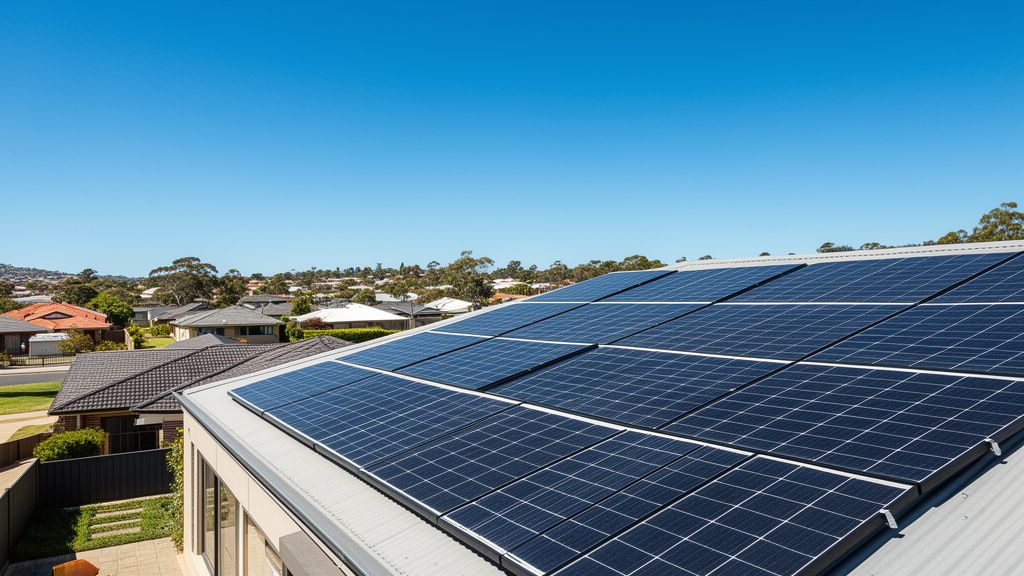
Prioritising reputable solar panel and inverter brands is essential for system longevity and efficiency. Look for Tier 1 solar panel manufacturers like Trina Solar, Jinko Solar, Q CELLS, or REC, which are known for their rigorous quality control, significant R&D investment, and strong financial backing. For inverters, brands such as Fronius, SolarEdge, Sungrow, and Enphase are highly respected for their reliability and performance. These brands typically offer product warranties of 10-15 years for panels and 5-12 years for inverters, alongside performance warranties for panels that guarantee a certain output level after 20-25 years. Avoid obscure brands that may not have local support or a track record, as their warranties might be difficult to claim if the company disappears.
Understanding Comprehensive Warranty Coverage
Comprehensive warranty coverage involves three main components: product warranty (on panels, inverter, battery), performance warranty (on panel output), and workmanship warranty (on the installation itself). A good installer will offer a strong workmanship warranty, ideally 5-10 years, covering any issues arising from the installation process itself. This is critical because even the best equipment can underperform if poorly installed. Ensure you receive documentation for all warranties, understand their terms and conditions, and know who to contact if a claim arises. Confirm whether the installer manages the warranty claim process for you or if you're expected to contact the manufacturer directly, as a full-service approach is usually preferable.
What Should You Expect from a Detailed Solar Quote and Contract?
From a detailed solar quote and contract, you should expect complete transparency regarding all costs, system components, and clear terms and conditions. A professional installer will provide a comprehensive proposal that leaves no room for ambiguity or hidden fees. This document should serve as a clear roadmap for your solar installation, outlining exactly what you're getting and what you're paying for. Don't proceed with any installer who provides a vague, one-page quote or rushes you to sign without fully understanding the specifics. Take your time to review every detail, compare it against other quotes, and ask questions until you are completely satisfied.
Decoding Itemised Quotes and Avoiding Hidden Costs
An itemised quote is crucial for understanding where your money is going. It should clearly list the brand and model of each solar panel, inverter, and mounting system component, along with their quantities and individual costs. Installation labour, electrical work, permitting fees, and any necessary upgrades to your switchboard should also be itemised. Be wary of quotes that present a single lump sum or use generic terms like "premium panels." Ask about any potential additional costs, such as trenching, scaffolding for difficult roofs, or meter upgrades, to ensure these are either included or clearly flagged as potential extras. A transparent quote prevents nasty surprises later on.
Reviewing Contract Terms and Payment Structures
Thoroughly reviewing the contract terms and payment structures is vital before committing to an installer. The contract should specify the exact system size, estimated energy production, completion timeframe, and a detailed payment schedule. Typically, you'll pay a deposit (often 10-20% of the total cost), with further payments due at specific milestones, such as delivery of equipment or completion of installation. Ensure there are no clauses that allow for excessive price increases or changes to equipment without your explicit approval. The contract should also clearly outline the cancellation policy and dispute resolution process. If anything seems unclear or unfavourable, seek clarification or consider getting legal advice before signing.
Key Takeaways
- Always verify your chosen installer's CEC accreditation to ensure quality workmanship and eligibility for government rebates.
- Prioritise installers with a strong, established local presence and a proven track record supported by positive customer reviews.
- Insist on reputable, Tier 1 solar panels and inverters with transparent product, performance, and workmanship warranties.
- Demand an itemised, detailed quote that clearly outlines all costs and equipment, avoiding any hidden fees.
- Carefully review all contract terms, payment schedules, and warranty documentation before signing anything.
Read More
For a comprehensive overview, check out our master guide: Read the Full Guide Here.