How Different Solar Panel Brands Compare on Degradation Rates: An Aussie Guide
G'day, fellow sun-lovers! If you're considering going solar, or already have panels on your roof, you've probably heard the term "degradation rate." But what exactly does it mean, and why should it matter to you, especially when navigating the myriad of solar panel brands available in Australia?
Simply put, solar panel degradation is the natural, gradual reduction in a panel's power output over time. Think of it like a new car slowly losing a bit of its showroom shine; solar panels, too, experience a slight dip in efficiency year after year. Understanding these rates, and how different brands stack up, is crucial for calculating your long-term savings and ensuring your solar investment truly pays off down under.
Understanding Solar Panel Degradation
When you buy a solar panel, it comes with a power warranty, often for 25 to 30 years. This warranty doesn't just promise that the panel will physically last; it guarantees a minimum power output percentage over its lifespan. The degradation rate is the key to this guarantee.
Most quality solar panels are designed to perform at 100% of their rated power in the first year. After that, they typically degrade at a rate of 0.25% to 0.7% per year. This might sound small, but over 25 years, it can add up to a significant difference in your system's total energy production. A panel with a lower degradation rate will produce more power over its lifetime compared to one with a higher rate, even if they start at the same wattage.
Warranties usually specify two degradation figures:
- First-year degradation: Often slightly higher, as panels settle in (e.g., 2% in year one).
- Annual linear degradation: The rate for subsequent years (e.g., 0.5% per year for years 2-25).
Factors Influencing Degradation
While all panels degrade, the rate at which they do so is influenced by several factors:
- Cell Technology: Different cell types (e.g., PERC, half-cut, TOPCon, HJT) have varying inherent resistances to degradation mechanisms.
- Manufacturing Quality: Strict quality control, high-grade materials (like encapsulants and backsheets), and precise assembly significantly impact longevity and performance. Brands that invest heavily in R&D and advanced manufacturing processes generally produce more durable panels.
- Environmental Stress: Australia's harsh climate—intense UV radiation, high temperatures, and even hailstorms in some regions—can accelerate degradation if panels aren't built to withstand these conditions. Quality panels use materials designed to resist UV breakdown and thermal stress.
- Installation Quality: Proper installation ensures optimal ventilation (to prevent overheating) and secure mounting, which also contributes to panel longevity.
How Different Solar Panel Brands Compare
Let's dive into some of the prominent brands available in Australia and see how their degradation warranties stack up. Keep in mind that while degradation rates are important, they're part of a larger picture that includes efficiency, temperature coefficient, and overall build quality.
Premium Performers: Maxeon (SunPower) and REC
Maxeon (formerly SunPower): Widely regarded as a premium brand, Maxeon panels are known for their exceptional durability and very low degradation rates. Their top-tier panels often come with an industry-leading warranty of only 0.25% degradation per year after a 2% initial year drop, leading to an impressive 92% power output at year 25. This makes them one of the best long-term investments, especially if you have limited roof space and want maximum output. Expect to pay a premium for this performance, often upwards of $1.00-$1.30 per watt for the panels themselves, contributing to a higher overall system cost.
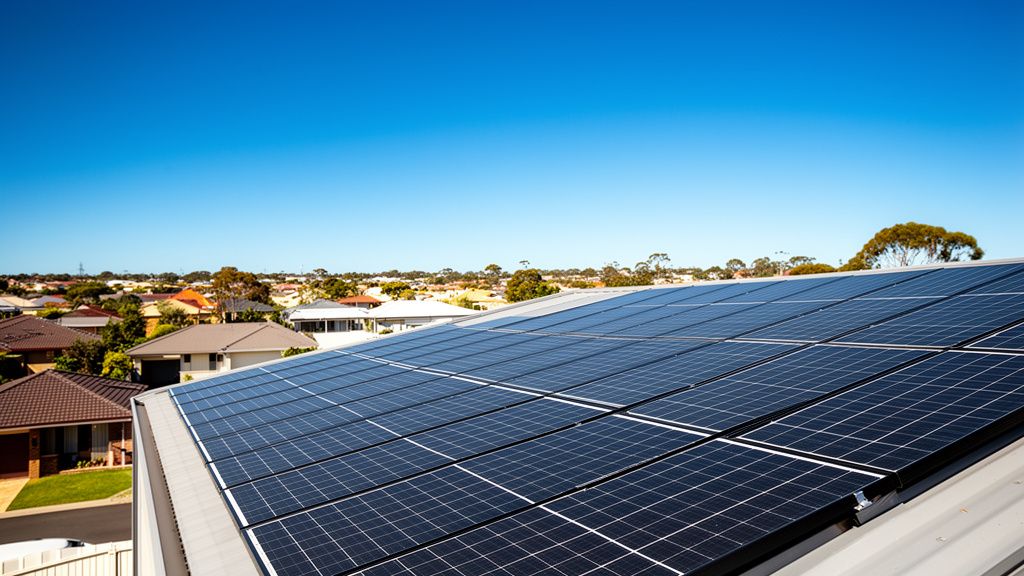
REC Solar: Another high-quality European brand popular in Australia, REC panels are known for their robust construction and solid performance. Their Alpha series, for example, typically offers a degradation rate of around 0.25% per year after the first year (e.g., 0.5% first year drop), resulting in around 92% power output after 25 years. REC offers a fantastic balance of quality, performance, and value, often sitting in a mid-to-high price bracket, perhaps $0.70-$1.00 per watt for the panels.
Strong Contenders: Qcells, Jinko Solar, Longi, Trina Solar, and Canadian Solar
These brands represent the bulk of the Australian market, offering excellent value and reliable performance. Their standard degradation warranties are generally quite similar:
-
Qcells (Hanwha Qcells): A German brand with manufacturing across several countries, Qcells are a popular choice due to their quality, good efficiency, and competitive pricing. Their Q.PEAK DUO series typically offers a degradation rate of 0.5% per year after the first year (e.g., 2% in year one), guaranteeing around 85-86% output at year 25. This is a solid, reliable benchmark. Panel prices usually sit in the $0.50-$0.80 per watt range.
-
Jinko Solar, Longi Solar, Trina Solar, and Canadian Solar: These are some of the largest manufacturers globally, and they offer a wide range of panels. Generally, their standard products provide a linear degradation rate of 0.55% per year after the first year (e.g., 2% first year), resulting in an output of around 84% at 25 years. Some of their premium or specific models (like N-type bifacial panels) may offer slightly better rates, closer to 0.4% per year. These brands are often the most budget-friendly without sacrificing too much quality, with panel costs often ranging from $0.40-$0.70 per watt. They are a "safe bet" for many Aussie households.
Beyond the Numbers: What Else Matters?
While degradation rates are a critical metric, don't let them be the only factor in your decision.
- The Fine Print: Always read the warranty document carefully. Some warranties are "linear" (a fixed percentage loss each year), while others are "stepped" (guaranteeing a certain percentage at certain intervals).
- Company Longevity and Local Support: A great warranty is only as good as the company backing it. Choose brands with a proven track record and, ideally, a strong presence and support network in Australia, should you ever need to make a claim.
- Installer Quality: Even the best panels can underperform if poorly installed. Choose a reputable, Clean Energy Council (CEC) accredited installer.
- System Monitoring: Modern solar systems come with monitoring capabilities. Keep an eye on your system's performance. If you notice a sharper-than-expected drop in output, it could indicate an issue requiring attention.
Making Your Informed Decision
For many Australian homeowners, striking a balance between initial cost and long-term performance is key. If you're planning to live in your home for decades and want the absolute best long-term output, investing in Maxeon or REC panels with their lower degradation rates can make financial sense over 25 years, despite the higher upfront cost. The additional electricity generated could offset the price difference.
If you're looking for a solid, reliable system that offers excellent value, brands like Qcells, Jinko, Longi, Trina, and Canadian Solar are fantastic choices. Their degradation rates are still very good and represent a significant return on investment.
Ultimately, your choice should align with your budget, energy goals, and how long you intend to keep your system. Don't be shy about asking your solar installer about the degradation warranties of the brands they recommend. It’s your hard-earned dollars, so make sure your solar system is set up for success from day one right through its sunny, productive life!
Read More
For a comprehensive overview, check out our master guide: Read the Full Guide Here.