TL;DR: Canadian Solar became a top 5 global panel manufacturer by focusing on product quality and reliability early on, expanding aggressively into diverse international markets, and consistently investing in large-scale solar project development alongside module sales. This dual strategy allowed them to grow their manufacturing capacity and market share quickly.
What Early Strategies Positioned Canadian Solar for Global Growth?
Canadian Solar achieved early success by establishing a strong brand identity centred on reliability and product quality, which gave them an edge in a competitive market. Founded in 2001 in Guelph, Ontario, the company did not initially invent revolutionary new cell technology. Instead, they focused on manufacturing high-quality, dependable silicon solar modules, often working as an OEM for other brands before building their own. This approach let them refine production processes and build trust in their manufacturing capabilities. By securing key certifications like TÜV Rheinland early on, they signalled a commitment to international standards. This quality focus was particularly appealing in established markets like Germany and later Australia, where long-term performance matters more than the cheapest upfront price. Early projects in Europe and North America helped them gain experience and scale production lines.
Focusing on Utility-Scale Project Development
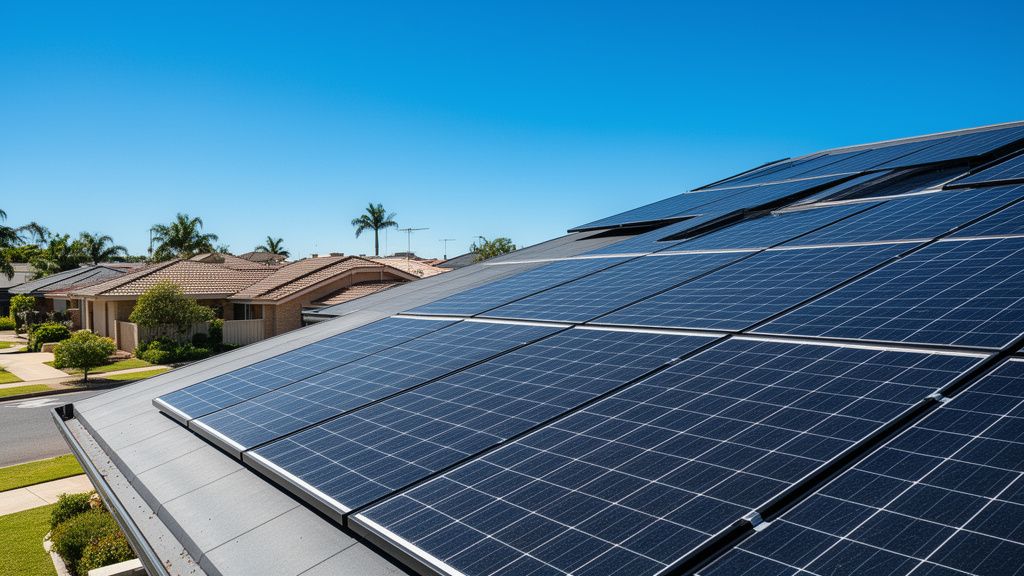
Beyond just selling panels, Canadian Solar started developing large-scale solar power projects very early. They realised that controlling both the manufacturing of modules and the construction of entire solar farms offered a significant competitive advantage. This strategy created guaranteed demand for their own panels and generated additional revenue streams from project sales or power generation. For instance, in Australia, they are active in developing multi-megawatt solar farms in regional areas, like the Oakey Solar Farm in Queensland. This combined approach allowed them to expand manufacturing capacity consistently, knowing there would be internal demand for their products, rather than relying solely on external sales channels. They could also test new module technologies in real-world large-scale applications, feeding performance data back into their R&D.
How Did Investment in Research and Development Drive Their Expansion?
Consistent investment in research and development played a key role in Canadian Solar's ability to compete and expand market share. While their initial focus was on reliable, standard silicon panels, they quickly moved into developing more efficient technologies. They established dedicated R&D centres globally, focusing on improvements in cell efficiency, module packaging, and overall system performance. This led to advancements in their range of panels, including higher power output modules like their HiKu and BiHiKu series, which use half-cut cell and multi-busbar technologies. These innovations meant Australian installers could offer customers more power from fewer panels, which is particularly useful for roof space constraints, and reduce balance-of-system costs for larger projects. For example, a modern Canadian Solar 450W panel might offer over 21% efficiency, a significant jump from panels a decade ago.
Adapting to Market Demands with New Products
Their R&D efforts also focused on adapting to specific market needs. For example, the development of bifacial modules, which capture sunlight from both sides, became important for utility-scale projects and even some commercial installations where ground reflection adds to output. In Australia, where rooftop space can limit system size, developing higher-efficiency residential panels allows homeowners to maximise their output. A typical 6.6kW system in Perth using high-efficiency Canadian Solar panels might now fit within a smaller roof footprint than older, less efficient models. This continuous innovation ensures Canadian Solar products remain competitive in terms of performance and price, allowing them to offer solutions from small residential rooftops to multi-hectare solar farms, driving sales in diverse segments.
Where Did Canadian Solar Expand to Secure Market Leadership?
Canadian Solar's aggressive global expansion strategy was fundamental to their rise as a top manufacturer, moving beyond North America and Europe into key growth markets. They established manufacturing facilities, sales offices, and project development teams across numerous continents. This decentralised approach allowed them to tailor products and services to local market conditions and regulations, reducing logistics costs and improving response times. They built significant manufacturing presence in China, Vietnam, Thailand, and Brazil, leveraging skilled workforces and access to supply chains. This global manufacturing footprint also mitigated risks associated with trade disputes or regional economic downturns.
Securing Market Share in Australia
In Australia, Canadian Solar has a strong presence, recognised for their durable and well-priced panels. They entered the Australian market early, building relationships with distributors and installers. This local focus included providing panels suited to harsh Australian conditions, with good temperature coefficients and robust frames. Many Australian installers regularly recommend Canadian Solar panels because of their long history of performance in tough conditions, like extreme heat in the outback or cyclones in the north. Their local support network also makes a difference for warranty claims, which gives installers and homeowners peace of mind. A standard 6.6kW Canadian Solar system in Queensland might cost an Australian homeowner around $5,000 to $7,000, depending on the installer and inverter choice, representing a solid value proposition.


Why Is Canadian Solar a Popular Choice for Australian Solar Systems?
Australian homeowners and businesses choose Canadian Solar panels for several practical reasons, primarily their reputation for reliability, strong warranty support, and competitive pricing. The brand has been in Australia for over a decade, meaning there are countless systems across the country still performing well, giving new buyers confidence. Their panels consistently rank well in independent tests for durability and performance under Australian climate conditions, which often involve high temperatures and intense UV exposure. This long-term track record means lower risks of unexpected panel failures, an important consideration for a system designed to last 25 years or more.
Value for Money and Local Support
Canadian Solar panels typically offer an excellent balance of quality and cost. While they may not be the absolute cheapest panels on the market, they are also not the most expensive 'premium' brands. This positions them as a 'sweet spot' for many Australian buyers who want a quality product without breaking the bank. For example, a 10kW commercial system using Canadian Solar panels might come in around $9,000 to $12,000 before STCs, offering substantial energy bill savings for businesses. They also back their panels with solid warranties, typically a 12-year product warranty and a 25-year performance warranty. Crucially, their established presence in Australia means local support and service are available if issues arise, rather than having to deal with an overseas entity.
Key Takeaways
- Canadian Solar built its global presence by consistently manufacturing high-quality, reliable solar panels, earning trust in diverse markets.
- They aggressively expanded into utility-scale project development worldwide, creating guaranteed demand for their own modules and diversifying revenue streams.
- Ongoing investment in R&D improved panel efficiency and adapted products to specific market needs, keeping them competitive.
- In Australia, Canadian Solar is a popular choice due to its proven reliability, strong warranties, competitive pricing, and established local support.
- Choosing Canadian Solar means investing in a reputable brand with a long track record of performance in Australian conditions.
Read More
For a comprehensive overview, check out our master guide: Read the Full Guide Here.