Australia's Energy Transformation: Clean Power Dominates in Q4 2025
TL;DR: In the fourth quarter of 2025, clean energy generation sources like solar, wind, and hydro collectively produced more electricity than fossil fuels across Australia's National Electricity Market. This marks a historic turning point, demonstrating the nation's rapid shift away from coal and gas towards a renewable-powered grid. The milestone was driven by massive investment in large-scale renewables and widespread household solar adoption.
What actually happened in Q4 2025 to mark this energy milestone?
In the final three months of 2025, Australia reached a monumental energy milestone: clean energy sources outpaced fossil fuels in overall electricity generation. This shift, long anticipated by industry analysts, saw the combined output from solar, wind, and hydro power stations exceed that of coal and gas plants for the entire quarter. Data released by the Australian Energy Market Operator (AEMO) for Q4 2025 confirmed that intermittent renewables, alongside hydro, delivered approximately 52% of the total electricity dispatched to the grid. This wasn't a one-off peak hour event; it represented a sustained majority generation over a three-month period. Large-scale solar farms in Queensland and New South Wales, coupled with significant new wind capacity in Victoria and South Australia, contributed substantially to this figure. Rooftop solar, while not directly dispatched by AEMO in the same way, reduced demand from the grid by a further 15-20% during daylight hours, pushing the effective clean energy contribution even higher. This achievement puts Australia firmly on track to decarbonise its electricity system ahead of many international projections.
How did rooftop solar contribute to this energy transformation?
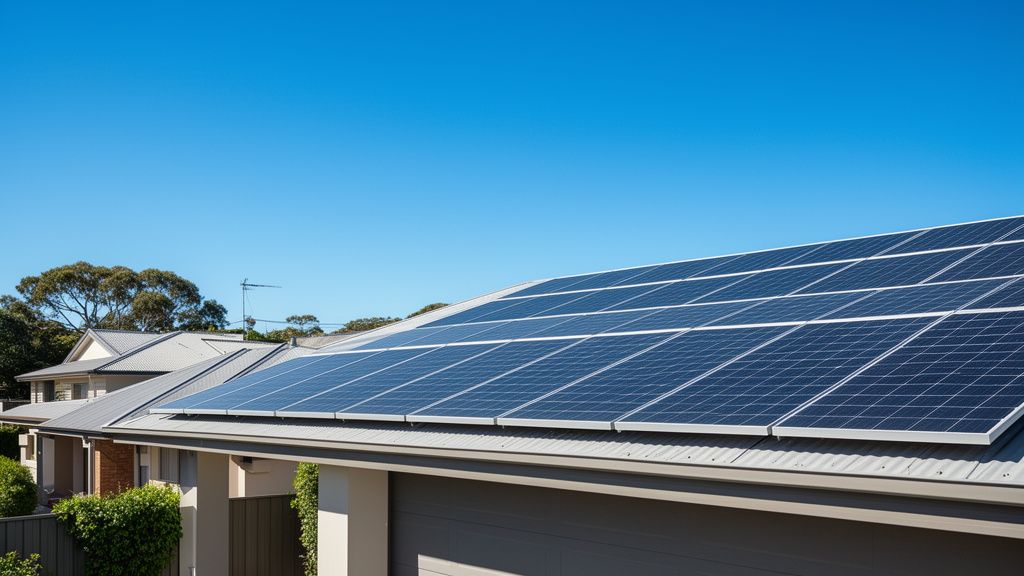
Rooftop solar, often referred to as distributed generation, played a absolutely critical role in pushing clean energy past fossil fuels in Q4 2025. By the end of 2025, over 3.8 million Australian homes and businesses had installed solar panels, representing a cumulative capacity exceeding 35 gigawatts (GW). This vast network of panels reduces the demand for grid electricity, particularly during sunny daytime hours when traditionally expensive peak power would be drawn from fossil fuel generators. Each 6.6kW system installed in a typical suburban home might offset 60-80% of that household's daytime usage, directly reducing the load on the national grid. This collective effect means that even as large-scale wind and solar projects inject power, millions of smaller systems concurrently shave off demand. The Clean Energy Regulator reported that small-scale solar installations added close to 3 GW of new capacity annually in the years leading up to 2025, making it a relentless force in the energy transition. Without this widespread household uptake, the Q4 2025 milestone would likely have been delayed.
The Role of Battery Storage in Maximising Rooftop Solar's Impact


While rooftop solar generates significant power during the day, battery storage is becoming increasingly important for extending its benefits beyond sunset. In Q4 2025, approximately 15% of new solar installations included a home battery system, with sizes typically ranging from 10 kWh to 15 kWh. These batteries allow homeowners to store excess daytime solar generation and use it during evening peak demand periods, rather than exporting it for low feed-in tariffs (which often sit around 4-6 cents per kWh from retailers like Origin or AGL). This not only boosts energy independence for households but also further reduces demand on the grid when fossil fuel generators would traditionally ramp up. The collective storage capacity of these batteries, though distributed, starts to act like a 'virtual power plant', offering grid services and smoothing demand curves.
What challenges did the grid face in integrating this volume of renewables?
Integrating such a large and growing volume of intermittent renewables, especially at the scale seen in Q4 2025, presented substantial challenges for Australia's energy grid. Grid stability became a primary concern, as wind and solar output can fluctuate rapidly with weather conditions. Managing these fluctuations required constant fine-tuning of system frequency and voltage. The existing transmission infrastructure, designed for a one-way flow of power from large, centralised coal plants, needed significant upgrades to handle power flowing from diverse, often remote, renewable energy zones. Curtailment, where renewable generation is sometimes switched off because the grid cannot absorb it all, was a recurring issue, though less severe than feared thanks to new grid-scale batteries and market rule changes. AEMO, in its 2025 forecasts, highlighted the need for massive investment in new poles and wires to maintain reliability and unlock the full potential of renewables.
How Grid-Scale Batteries and Transmission Projects Support the Transition
Addressing the challenges posed by high renewable penetration, grid-scale battery projects and major transmission upgrades were vital in the lead-up to and during Q4 2025. Big batteries, like the 300 MW Victorian Big Battery or the new 850 MW Waratah Super Battery in NSW, came online to provide rapid response services, storing excess renewable energy and discharging it instantly to stabilise the grid or meet demand peaks. These batteries proved essential for managing sudden drops in solar or wind output. Concurrently, major transmission projects, such as EnergyConnect and Project Energy Reimagined, aimed to build new high-capacity interconnections between states and to connect remote renewable energy hubs. These projects, while facing their own construction challenges, enabled power to be moved more efficiently across the National Electricity Market, reducing curtailment and enhancing overall system reliability.
Key Takeaways
- Clean energy sources surpassed fossil fuels in Australia's total electricity generation during Q4 2025.
- Widespread rooftop solar adoption significantly reduced grid demand during daylight hours, supporting the shift.
- Grid-scale batteries and transmission upgrades were crucial for maintaining stability and integrating high volumes of renewables.
- This milestone indicates Australia's rapid progress towards a decarbonised electricity system.
- Continued investment in renewables, storage, and grid infrastructure remains essential for future energy security.
Read More
For a comprehensive overview, check out our master guide: Read the Full Guide Here.