Taking Control of Your Solar System's Efficiency in Australia
TL;DR: Understand your solar system's performance by regularly checking its monitoring data against expected output. Identify common efficiency issues like shading or dirt yourself, and know when to call an authorised solar electrician for faults to ensure your investment pays off.
Why Does Your Solar System's Output Vary From Expectations?
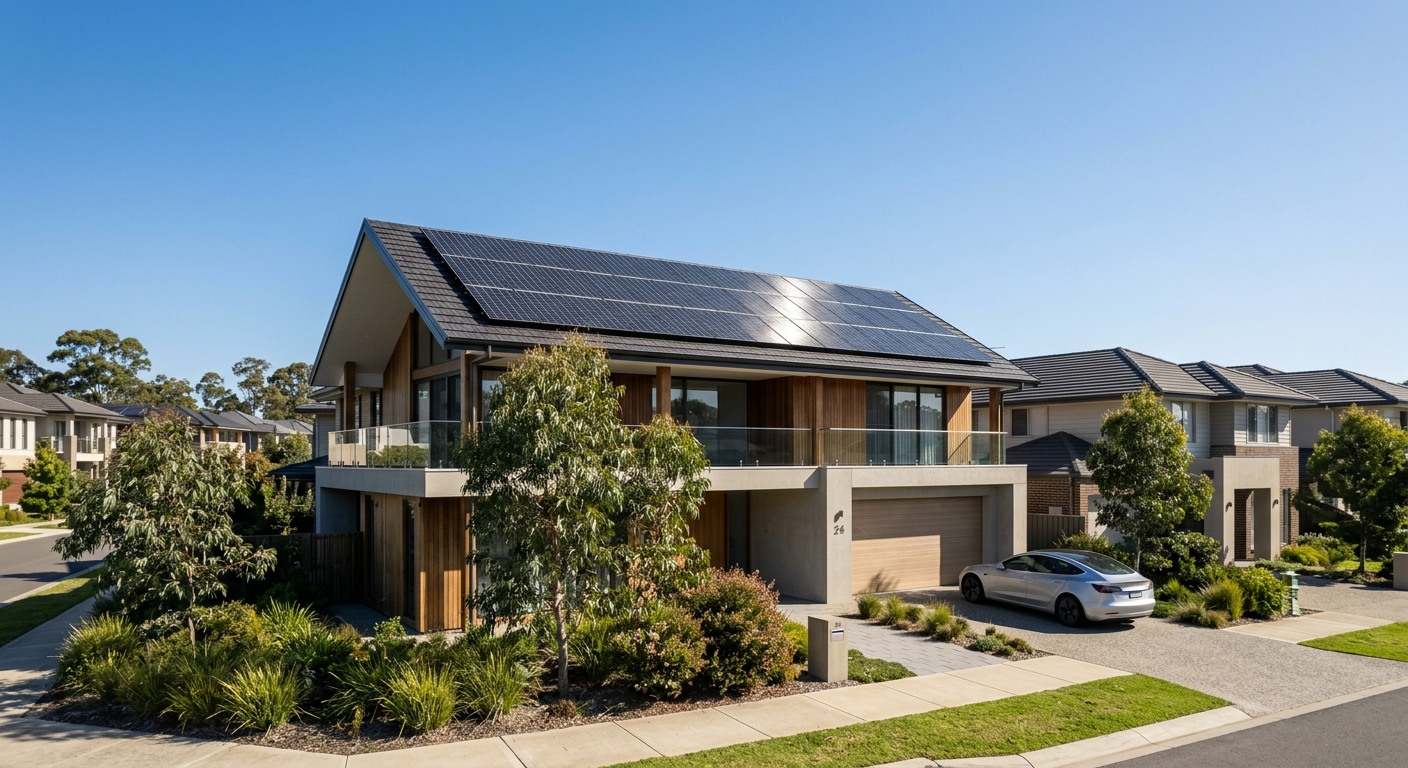
Your solar system's output varies due to several environmental and operational factors, often leading to confusion about its actual performance. Many Australian homeowners notice their electricity bills remain higher than expected, even with solar installed. This discrepancy often points to an underperforming system, but pinpointing the exact cause requires systematic investigation. For instance, a typical 6.6kW solar system in Brisbane should generate around 25-28 kWh on a clear summer day. If your monitoring app shows significantly less, say 15 kWh, that flags a problem. Changes in local weather, such as extended cloudy periods or heavy rain, naturally reduce output. However, consistent low output across sunny days needs attention. Australia's strong sun means even minor issues can heavily impact your long-term savings. Understanding your system's normal daily and seasonal output helps you quickly spot when something is wrong.
Understanding Your Monitoring Data
Most modern solar inverters come with a mobile app or online portal that displays real-time and historical generation data. You can see daily, weekly, and monthly kilowatt-hour (kWh) totals. This data helps you compare your system's performance against its specifications and average output for your region. For example, a 5kW inverter connected to a 6.6kW panel array should show peak output close to 5kW during optimal sun hours. If it consistently peaks at 3kW on a clear day, that indicates an issue. Comparing your daily solar generation with your daily household consumption, often available through your smart meter data, reveals how much grid electricity you still rely on and how much surplus solar you export. This comparison gives you a clear picture of your actual savings and areas for improvement.
What Are the Common Reasons for Reduced Solar Efficiency?
Several common issues cause reduced solar efficiency, often starting with simple environmental factors before escalating to equipment faults. Shading is a frequent culprit; even a small shadow from a new tree or antenna can significantly reduce output, especially on older systems without optimisers. Dirt, dust, and bird droppings accumulating on panels also block sunlight. Over time, actual panel degradation plays a role; panels typically lose 0.5-1% efficiency per year. Beyond these, specific equipment problems, particularly with the inverter, account for a large portion of underperformance. Recognising these signs helps you decide whether to act yourself or call a professional.
Identifying Shading and Panel Dirt
Shading remains one of the most significant yet overlooked factors affecting solar output. A single shaded panel can drag down the performance of an entire string of panels on string inverter systems. Check your roof during different times of the day, particularly mid-morning and late afternoon, for new shadows from neighbouring buildings, trees, or even your own roof vents. If you have micro-inverters or power optimisers, shading impacts individual panels more directly, but still reduces overall system generation. Dirt and dust are easier to spot. Walk around your property and visually inspect the panels. A noticeable layer of grime or extensive bird droppings indicates cleaning might be necessary. In dry Australian climates, dust builds up quickly, so a rinse every six to twelve months can make a noticeable difference to output.

Recognising Inverter or Wiring Faults
Your inverter is the brain of your solar system; if it fails, your entire system stops generating power. Many inverters have a display screen that shows error codes or status messages. A red light or an "Error" message usually means a fault. Common inverter issues include overheating, DC isolation faults, or grid connection problems. Some smart inverters can send error notifications directly to your phone. Wiring faults, while less common, can also reduce efficiency or stop generation entirely. These might include loose connections, damaged cables from rodents, or general wear and tear, all of which often require an authorised electrician to diagnose and fix safely. Don't attempt to open your inverter yourself; always consult your installer or an accredited solar technician.
When Should You Call a Professional Solar Electrician?
You should call a professional solar electrician when your monitoring system consistently shows underperformance without an obvious cause like shading or dirt, or when your inverter displays error codes. While you can perform basic checks, anything involving electrical components, high voltage, or working on the roof requires a qualified and accredited technician. An accredited solar electrician possesses the specific training and safety equipment needed to diagnose and repair faults safely and effectively. They can test individual panels, check string voltages, assess inverter functionality, and ensure all wiring meets Australian safety standards. Ignoring persistent issues can lead to further damage, potential safety hazards, or a voided warranty. Expect to pay a service call fee, typically $150-$250, for a diagnostic visit, with repair costs varying based on the fault.
Professional Maintenance and System Upgrades
A professional solar check-up every few years ensures your system runs optimally. This includes a thorough visual inspection, electrical testing of components, and cleaning if required. Technicians can identify potential issues before they become major problems, such as worn cabling or minor panel damage. If your system is old and consistently underperforms, they can advise on upgrades. This might involve replacing an aging inverter, adding micro-inverters to improve shaded panel performance, or even adding more panels if your roof space and budget allow. Given the decreasing feed-in tariffs—many retailers now pay less than 5c/kWh for exported power—maximising your self-consumption and efficiency becomes even more financially important.
Key Takeaways
- Check your solar monitoring app regularly to understand your system's daily and monthly energy output.
- Visually inspect panels for obvious issues like heavy shading, dirt, or bird droppings, and clean panels when needed.
- Monitor your inverter for error codes or warning lights, which often indicate internal faults.
- Call an accredited solar electrician for persistent underperformance, inverter errors, or any electrical issues.
- Consider professional solar maintenance every few years to ensure your system's long-term efficiency and safety.
Read More
For a comprehensive overview, check out our master guide: Read the Full Guide Here.