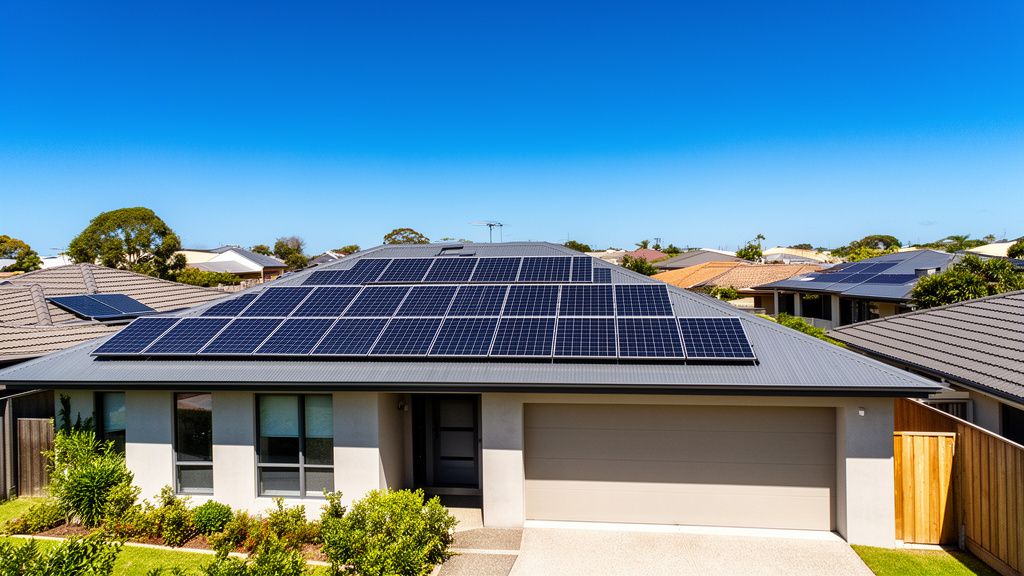
TL;DR: More Australians invest in home electrification because of consistently rising electricity prices, significantly cheaper solar and battery technology, and supportive government incentives. This shift also reflects a growing desire for energy independence and lower carbon emissions.
Are High Electricity Bills Driving Home Electrification?
Yes, consistently increasing electricity prices across Australia make homeowners look for alternatives to traditional grid reliance. The cost of power has steadily climbed over the last decade, with households in states like New South Wales, Queensland, and South Australia seeing average quarterly bills regularly exceed $500 for a typical family of four. Energy retailers pass on higher wholesale costs, network charges, and a range of environmental levies, directly impacting household budgets. This financial pressure is a primary motivator for many to seek solutions that reduce or eliminate their reliance on grid electricity for heating, cooling, and transport.
Rising Retail Costs Push Action
Australian families face a double whammy: energy costs rise while wages often struggle to keep pace. For example, the Australian Energy Regulator's default market offer for 2023-24 saw typical residential bills increase by 20-25% in Sydney and regional NSW. In southeast Queensland, Ergon Energy customers faced similar hikes. These increases mean more disposable income goes towards essential services, prompting a practical need to find ways to cut ongoing expenses. Electrifying the home by installing solar panels, battery storage, and energy-efficient appliances like heat pump hot water systems offers a tangible way to take control of these costs and budget more effectively each month.
The Impact of Usage Charges
Most household electricity bills contain a fixed daily supply charge and a variable usage charge based on kilowatt-hours (kWh) consumed. High usage charges, especially during peak demand periods, quickly inflate bills. Households with older, inefficient appliances or gas heating often experience much higher consumption. Switching to highly efficient electric alternatives, powered by self-generated solar electricity, dramatically reduces the number of kWh purchased from the grid. A typical family installing a 6.6kW solar system can often offset 70-90% of their daytime electricity use, leading to savings of $1500 to $2500 per year depending on their location and consumption habits.
How Do Cheaper Technologies Make Electrification Affordable?
Significant reductions in the cost of solar panels, batteries, and heat pumps mean more Australians can afford these upgrades. Over the last decade, manufacturing advancements and increased competition have driven down the price of renewable energy hardware. This affordability makes the upfront investment more manageable for a wider range of homeowners, accelerating the transition to electrified homes. What once felt like a luxury for a select few is now a mainstream, accessible option for many.
Falling Solar System Prices
The cost of installing a residential solar power system has plummeted. In 2012, a standard 5kW system might have cost $10,000 to $15,000 after rebates. Today, a higher capacity 6.6kW system, suitable for most family homes, often costs between $5,500 and $8,500 installed, after factoring in the federal Small-scale Technology Certificates (STCs). This price reduction represents a massive saving for homeowners, making the payback period for a solar system typically between 3 to 6 years, depending on electricity consumption and local feed-in tariffs. The increased efficiency of modern panels also means more power from a smaller roof space.
More Accessible Battery Storage
Battery storage systems, while still a larger investment than solar panels alone, are also becoming more accessible. Prices for a 10kWh home battery, like a Tesla Powerwall or BYD Battery Box, often range from $10,000 to $15,000 installed, before any state-specific rebates. This represents a substantial decrease from just five years ago. This price drop, combined with improved battery longevity and performance, makes storing excess solar power a viable option. Storing solar energy allows homeowners to use their own electricity during the evening peak, further reducing grid imports and maximising their solar investment.
What Government Incentives Support Electrification?
Various state and federal schemes offer rebates and low-interest loans, reducing the upfront cost of electric upgrades. These government programs acknowledge the wider benefits of home electrification, including reducing strain on the grid, lowering national carbon emissions, and stimulating local economies. The incentives make the initial investment more palatable for many Australian families, directly influencing their decision to adopt these technologies.
Federal STCs Reduce Solar Costs
The Australian Government’s Small-scale Renewable Energy Scheme provides Small-scale Technology Certificates (STCs) for eligible solar PV systems, solar hot water systems, and heat pumps. These STCs act as a point-of-sale discount. For example, a 6.6kW solar system in Melbourne might generate around 95-100 STCs. With each STC typically valued between $30 and $40, this translates to a discount of roughly $2,850 to $4,000 off the upfront cost of the system. This significant federal incentive is universally available across Australia and is a key driver for solar adoption.


State-Specific Rebates and Loans
Beyond the federal STC scheme, many state governments offer additional incentives to encourage electrification. In Victoria, the Solar Homes Program offers rebates of up to $1,400 for solar PV systems and interest-free loans for the same amount. It also provides rebates for solar hot water and battery storage. New South Wales has offered battery rebates under the Empowering Homes program, providing interest-free loans for battery installations up to $14,000. These targeted state programs complement federal support, making electrification even more financially attractive for residents in those states.
Does Environmental Concern Influence Electrification Decisions?
Many Australians choose home electrification to reduce their carbon footprint and contribute to a sustainable energy future. While financial savings often provide the initial spark, a strong underlying desire to make a positive environmental impact plays a significant role in converting interest into action. People increasingly understand the link between their household energy choices and broader climate goals.
Reducing Carbon Emissions
Electrifying a home with solar power directly reduces greenhouse gas emissions. When a household generates its own electricity from the sun, it displaces power that would otherwise come from fossil fuel-fired power stations. Replacing gas appliances, like cooktops and hot water systems, with electric alternatives further cuts natural gas consumption, which releases methane and carbon dioxide. For a typical Australian home, installing a 6.6kW solar system can prevent several tonnes of CO2 from entering the atmosphere each year, equivalent to planting dozens of trees. This tangible impact motivates many environmentally conscious homeowners.
Energy Independence and Grid Resilience
Beyond direct emissions, the concept of energy independence resonates strongly with many homeowners. Generating your own power means less reliance on a centralised grid that sometimes suffers outages or price volatility. With a solar and battery setup, households gain a degree of resilience, knowing they have a backup power supply during blackouts. This sense of self-sufficiency, coupled with the ability to control their energy consumption and minimise their impact on the environment, empowers Australians to make proactive choices about their home's energy future.
Key Takeaways
- Australians are electrifying their homes primarily due to rising grid electricity costs.
- The cost of solar panels and battery storage has significantly decreased, making these technologies more affordable.
- Federal STC rebates and various state-specific incentives directly lower the upfront investment for homeowners.
- Environmental concerns and the desire for energy independence are strong motivators for adopting electrified home solutions.
- Investing in solar, batteries, and electric appliances offers long-term financial savings and reduces carbon emissions.
Read More
For a comprehensive overview, check out our master guide: Read the Full Guide Here.


