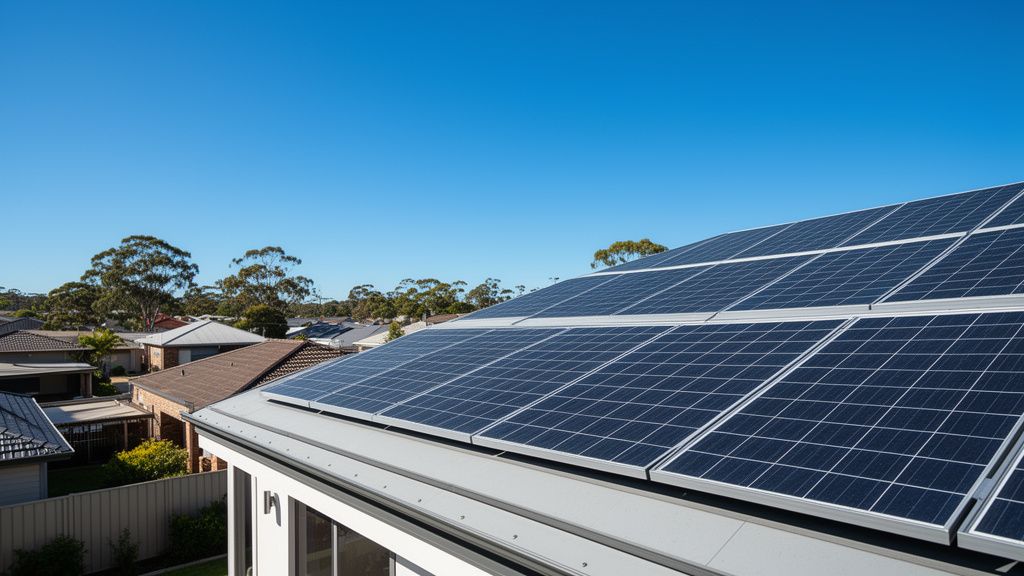
G’day, fellow energy enthusiasts! If you've been keeping an eye on Australia's renewable energy journey, you'll know it's been nothing short of spectacular. Our sun-drenched continent is a powerhouse of solar potential, and our windswept coastlines are generating more clean energy than ever before. But there's a quiet revolution happening in the background, a game-changer that's making all this intermittent renewable power reliable and dispatchable: battery storage.
The numbers tell an incredible story of growth. Just a few short years ago, large-scale battery storage was a nascent idea. Now, Australia's installed grid-scale battery fleet can collectively deliver an astounding 2.2 gigawatts (GW) of power and store a whopping 4.9 gigawatt-hours (GWh) of energy. That's a massive leap and it's transforming our electricity grid, one megawatt-hour at a time. This isn't just about bigger batteries; it's about a smarter, more resilient, and truly sustainable energy future for all Australians.
Why the Storage Explosion? The Driving Forces
So, what's fuelling this electrifying surge in battery storage? It's a perfect storm of factors, all converging to create an undeniable demand for energy buffering.
Firstly, the meteoric rise of solar and wind power is the primary catalyst. While brilliant for clean energy, these sources are, by nature, intermittent. The sun doesn't always shine, and the wind doesn't always blow. Batteries are the ultimate dance partner, storing surplus energy during peak generation and releasing it when demand is high or renewable output dips. They smooth out the bumps, making our grid more stable and reliable.
Secondly, battery technology has advanced rapidly, and costs have plummeted. Lithium-ion battery prices have fallen dramatically over the last decade, making large-scale storage projects and home battery systems increasingly viable. It's simply becoming more cost-effective to store energy than ever before.
Finally, strong government support and evolving market mechanisms have provided crucial impetus. Initiatives from bodies like the Australian Renewable Energy Agency (ARENA) and the Clean Energy Finance Corporation (CEFC), along with state-level incentives, have de-risked early projects and fostered innovation. Policies like the Retailer Reliability Obligation (RRO) are also encouraging investment in dispatchable capacity, which batteries are perfectly positioned to provide.
Decoding the Numbers: 2.2GW and 4.9GWh Explained
Let's unpack those impressive figures to truly grasp their significance.
2.2 GW represents the power capacity of our battery fleet. Think of it as the maximum instantaneous "oomph" or grunt our batteries can collectively deliver to the grid at any given moment. To put that in perspective, 2.2GW could power roughly two million Australian homes simultaneously for a short period. This high power output is crucial for providing essential grid services like frequency control – instantly stabilising the grid when there are sudden changes in supply or demand. It’s like having a quick-response team ready to jump into action.
4.9 GWh, on the other hand, refers to the total energy storage capacity. This is about how much energy our batteries can hold and release over time. While 2.2GW is the sprint, 4.9GWh is the marathon. It means our batteries can sustain significant power output for longer durations, critically important for managing the evening peak demand when solar generation drops off but everyone's cooking dinner and flicking on the air con. This GWh figure is what truly dictates how much renewable energy can be time-shifted and how resilient our grid can become.
Impact on the Australian Energy Landscape
The expansion of battery storage is having a profound impact across the country:


- Grid Stability and Reliability: Batteries are the silent heroes keeping the lights on. They provide rapid response services, preventing blackouts and ensuring a steady flow of power, even with increasing amounts of intermittent renewables.
- Peak Demand Management: By soaking up cheap solar power during the day and releasing it during expensive evening peaks, batteries shave off demand spikes, reducing reliance on older, more polluting "peaker" plants and ultimately lowering wholesale electricity prices.
- Decentralisation and Empowerment: Residential batteries, often aggregated into Virtual Power Plants (VPPs), empower households to become active participants in the energy market, buying and selling power and increasing their energy independence.
- Reduced Emissions: Every GWh of renewable energy stored and used means less reliance on fossil fuels, accelerating Australia's transition to a net-zero future.
The Household Revolution: Powering Your Home
It's not just the big grid-scale projects; a quiet revolution is happening in homes across Australia. Thousands of households are pairing their rooftop solar with batteries like the Tesla Powerwall, LG Chem, or Sungrow systems. For many, it's about maximising their solar investment, achieving greater energy self-sufficiency, and drastically reducing their electricity bills.
An average home battery system in Australia might cost anywhere from $10,000 to $18,000, including installation, depending on capacity and brand. While a significant upfront investment, falling prices and state-based incentives (like those offered in NSW or Victoria) are making them more accessible, offering substantial long-term savings and peace of mind during grid outages. These systems are turning homes into miniature power stations, feeding excess energy back to the grid or storing it for later use.
Large-Scale Projects: The Big Guns
Australia is home to some of the world's most impressive grid-scale battery projects. From the pioneering Hornsdale Power Reserve in South Australia, which famously proved the value of rapid-response storage, to the massive Victorian Big Battery (300 MW / 450 MWh) and the upcoming Waratah Super Battery (850 MW / 1680 MWh) in NSW, these giants are setting global benchmarks. These projects provide critical grid services, enhance energy security, and underpin the stability of entire states. Many more are in various stages of planning and construction, promising to further cement Australia's leadership in this space.
Looking Ahead: The Road to Even Greater Storage
The journey from 2.2GW to 4.9GWh is just the beginning. Forecasts predict a continuing surge in battery installations, with many expecting Australia's grid-scale battery capacity to reach well over 10 GW in the coming years. New technologies like flow batteries and even long-duration storage solutions are on the horizon, promising even greater flexibility and resilience for our energy future.
Challenges remain, of course – ensuring adequate supply chains, streamlining grid connection processes, and maintaining policy certainty are crucial. However, Australia's natural advantages in renewable resources, coupled with a strong appetite for innovation, position us as a global leader in battery storage.
The Future is Stored
The growth in Australia's battery storage capacity is more than just impressive statistics; it’s a testament to our ingenuity and commitment to a cleaner, more reliable energy future. From powering individual homes to stabilising our national grid, batteries are the backbone of our renewable energy transition. So, next time you flick on the lights, remember the silent powerhouses working tirelessly in the background, making Australia's energy future brighter than ever.
Read More
For a comprehensive overview, check out our master guide: Read the Full Guide Here.