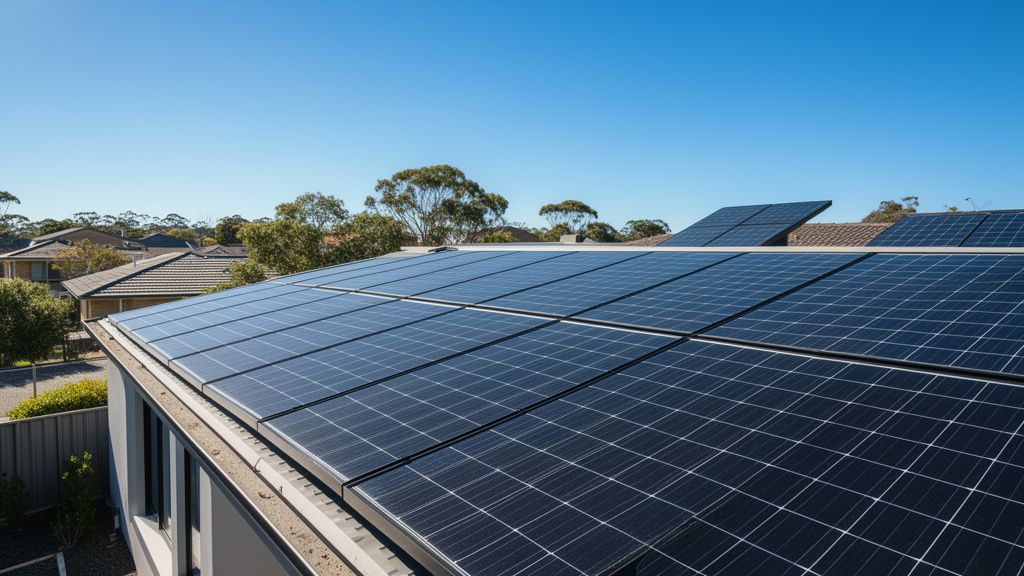
TL;DR: Solarwatt's glass-on-glass panels achieve comparable efficiency to other leading premium solar brands in Australia, often reaching 20-22%. Their design contributes to long-term performance stability and exceptional durability, backed by a 30-year product and performance warranty, making them a strong contender for homeowners seeking lasting reliability.
What Technology Powers Solarwatt's High-Efficiency Solar Panels?
Solarwatt panels achieve high efficiency through their distinctive glass-on-glass construction and advanced monocrystalline cell technology. This German-engineered approach focuses on both immediate power output and sustained performance over decades, which matters a lot in Australia's tough climate. Traditional solar panels typically feature a glass front and a plastic backsheet. Solarwatt replaces that plastic with another layer of glass. This double-glass laminate shields the solar cells from both sides, preventing micro-cracks and delamination, which are common causes of degradation in standard panels.
The cells inside these robust panels are typically high-performance monocrystalline PERC (Passivated Emitter Rear Cell) or half-cut cells. These cell types capture more sunlight and reduce internal resistance, meaning more electricity from the same panel footprint. Combining these cells with the glass-on-glass encapsulation results in a module that not only starts with excellent efficiency but also maintains that efficiency better over time. Australian conditions, with their intense UV exposure and significant temperature swings, particularly benefit from this extra protection. A panel's temperature coefficient – how much its efficiency drops as temperatures rise – also plays a part. Solarwatt panels generally exhibit a good temperature coefficient, meaning they perform more consistently on a hot Australian summer day compared to panels with poorer thermal characteristics.
How Do Solarwatt's Efficiency Figures Compare to Other Premium Solar Brands?
Solarwatt panels typically offer efficiencies between 20-22%, placing them squarely alongside other premium solar brands commonly available in Australia. When you look at the market, brands like SunPower, REC, and Qcells also offer panels in this 20-23% efficiency range. For example, SunPower panels often lead with efficiencies up to 22.8%, while top-tier REC Alpha panels sit around 21.7% and Qcells often reach 21.4%. Solarwatt's figures align well with these top performers.
It's important to remember that peak efficiency alone isn't the only measure of a panel's quality. Long-term degradation rates and real-world performance under diverse conditions weigh heavily on overall value. Solarwatt panels stand out here with an exceptionally low linear degradation rate of 0.25% per year after the first year. This means they lose less power over their lifespan than many competitors, some of whom degrade at 0.5% or more annually. For an Australian homeowner investing $10,000-$15,000 in a premium 6.6kW system, that sustained performance translates directly into more electricity production and better financial returns over the system's 30-year lifespan. This low degradation, combined with their robust construction, ensures that the initial efficiency figures remain close to reality for much longer.
What Does a 30-Year Warranty Signal About Solarwatt's Long-Term Performance?
A 30-year product and performance warranty on Solarwatt panels indicates exceptional confidence in their durability and sustained energy output over decades. This extended warranty period significantly surpasses industry standards. Most quality solar panels offer a 10-12 year product warranty, covering manufacturing defects, and a 25-year performance warranty, guaranteeing a certain power output percentage by the end of that term. Solarwatt's 30-year coverage on both aspects means they back their product for an extra five to twenty years compared to many competitors.

For an Australian home, this long warranty translates into substantial peace of mind. It means your investment is protected for three full decades against defects and against significant power loss. If you install a 6.6kW system, you can expect it to still be producing a very high percentage of its initial power output in 2054. This long-term security helps justify the slightly higher upfront cost, which typically ranges from $1,500 to $2,500 more for a 6.6kW premium system compared to a good mid-range option. The robust glass-on-glass construction contributes to this confidence, offering superior resistance to hail, fire, and mechanical stress, all relevant concerns for Australian property owners. A longer, stronger warranty directly reflects the manufacturer's belief in their product's ability to withstand the test of time and tough environmental conditions.
Key Takeaways
- Solarwatt panels achieve high efficiencies (20-22%) through glass-on-glass construction and advanced cell technology, matching other premium brands.
- Their low degradation rate (0.25% annually) ensures sustained performance over decades, offering better long-term electricity generation.
- A market-leading 30-year product and performance warranty provides extensive protection and confidence in your solar investment.
- The robust design makes Solarwatt panels well-suited for the harsh Australian climate, resisting damage from UV, heat, and hail.
- While they may carry a higher upfront cost, Solarwatt panels offer long-term value through durability and consistent output, reducing electricity bills for 30 years.
Read More
For a comprehensive overview, check out our master guide: Read the Full Guide Here.