Australia's Energy Transformation: Clean Energy Beats Fossil Fuels in Q4
TL;DR: For the first time in Australia's history, clean energy sources generated more electricity than fossil fuels during the final quarter of 2023. This landmark shift shows the rapid growth of solar and wind power across the country, signalling a major change in our energy landscape.
What Was the Energy Mix Shift in Australia's Q4?
Australia’s National Electricity Market (NEM) recorded a significant milestone in the fourth quarter of 2023, with renewable energy sources outperforming fossil fuels in electricity generation. Data from the Australian Energy Market Operator (AEMO) confirmed that wind and solar power, combined with other renewables, supplied 52% of the NEM's total electricity. This meant coal and gas fell below 50% for the first time in a full quarter. This achievement wasn't a one-off; it built on consistent growth. Just a decade ago, renewables only contributed about 10-15% of the NEM’s electricity. The rapid expansion of both rooftop solar systems on homes and large-scale solar and wind farms drove this change. It shows Australian homes and businesses contribute directly to the national energy supply.
How Did Rooftop Solar Contribute to This Record?
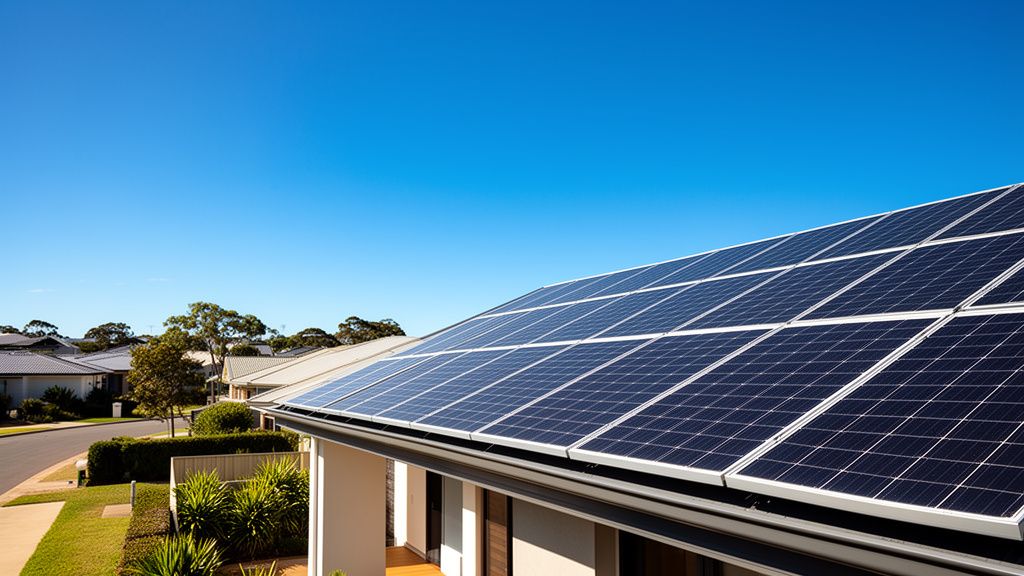
Rooftop solar systems, installed on hundreds of thousands of Australian homes and businesses, played a substantial role in clean energy's Q4 victory. These smaller, distributed systems often aren't seen as national infrastructure, but their collective impact is enormous. For instance, the Clean Energy Regulator reports over 3.7 million rooftop solar installations across Australia as of early 2024. During peak sunshine hours, these systems significantly reduce demand on the grid and often export surplus power back into it. A typical 6.6kW system, common on family homes, can produce around 25-30 kWh per day, substantially offsetting household usage and contributing to the overall clean energy supply, particularly during daylight hours when demand is high.
What Role Did Utility-Scale Projects Play in Outpacing Fossil Fuels?
Large-scale solar farms and wind farms also made a massive impact, providing consistent, high-volume clean electricity to the grid. Projects like the massive Bungala Solar Power Farm in South Australia or the Macarthur Wind Farm in Victoria contribute hundreds of megawatts directly to the NEM. These utility-scale developments ensure that even when residential solar generation dips in the evenings or on cloudy days, a substantial clean energy supply remains. The build-out of these large projects continues across the country, supported by government and private investment. They are essential for meeting the continuous energy needs of our cities and industries, pushing the overall clean energy proportion higher year after year.
Why Does This Q4 Outcome Matter for Australian Energy?
This Q4 outcome matters because it shows Australia's energy transition is not just a plan, but a reality already underway at a significant scale. This shift means more reliable and potentially cheaper electricity for consumers in the long run. When clean energy outpaces fossil fuels, it changes the dynamics of the wholesale electricity market, which can translate to lower costs for retailers and, eventually, for households. It also demonstrates progress towards national emission reduction targets, solidifying Australia's position in the global move to decarbonise economies. This milestone proves that a grid powered predominantly by renewables is achievable, driving further investment and innovation in the sector.
How Does This Affect Household Bills in the Future?
This clean energy milestone offers a positive outlook for household electricity bills. As more renewable energy enters the grid, it pushes down wholesale electricity prices. Clean energy, once built, has much lower operating costs compared to fossil fuel plants, which need to constantly purchase expensive coal or gas. While the full impact on residential bills takes time to filter through, a greener grid generally means a more stable and eventually lower-cost supply. Households with rooftop solar already experience direct savings, often cutting their bills by $1,000 to $2,000 annually. The national shift complements this, making the overall energy system more affordable for everyone.


What are the Environmental Implications of This Energy Shift?
The environmental implications of clean energy outperforming fossil fuels are clear and significant. This change directly reduces Australia’s greenhouse gas emissions, a crucial step in addressing climate change. Burning coal and gas releases carbon dioxide and other pollutants, contributing to air pollution and global warming. By shifting to solar and wind, which produce no operational emissions, Australia improves air quality and helps meet its international climate commitments, such as the target of 82% renewable electricity by 2030. This landmark Q4 result shows that environmental benefits are not just theoretical; they are a measurable outcome of our evolving energy mix.
What’s Next for Australia's Clean Energy Transition?
Australia's clean energy transition will continue to accelerate, driven by policy, investment, and technological improvements. The immediate next steps involve further expanding generation capacity, particularly in large-scale solar and wind, and dramatically increasing energy storage solutions. More high-voltage transmission lines are also needed to connect remote renewable energy zones to major population centres. Government initiatives, like the Capacity Investment Scheme, aim to bring more firmed renewable energy online, combining generation with storage. This ensures grid stability as the proportion of variable renewable energy grows, securing Australia's energy future with cleaner sources.
Are Battery Storage Solutions Key to Future Stability?
Battery storage solutions are absolutely key to maintaining grid stability as Australia transitions to a higher percentage of renewable energy. Solar and wind power are intermittent, meaning they only generate electricity when the sun shines or the wind blows. Large-scale grid batteries, such as the Victoria Big Battery, store surplus energy during high generation periods and release it when needed, smoothing out supply. At the household level, home batteries are becoming more common, allowing solar owners to store their own excess power for use after dark, reducing reliance on the grid and maximising savings. This integrated approach to storage at both scales is essential for a reliable, renewable-powered grid.
How Will Government Policy Support This Continued Growth?
Government policy will continue to play a critical role in supporting the growth of clean energy in Australia. Federal and state governments provide various incentives, rebates, and investment schemes to encourage both residential and utility-scale solar and wind projects. For example, the Small-scale Renewable Energy Scheme (SRES) offers financial incentives for rooftop solar installations, reducing upfront costs for homeowners. At the larger scale, the federal government's commitment to building new transmission infrastructure and providing investment certainty for large-scale projects helps unlock private capital. Clear policy signals and consistent regulatory frameworks are vital to maintaining momentum and attracting the billions of dollars needed for this ongoing transformation.
Key Takeaways
- Clean energy sources generated over 50% of electricity in Australia's NEM for the first time in Q4 2023.
- Rooftop solar and large-scale wind/solar farms both made significant contributions to this milestone.
- This shift lowers wholesale electricity prices and reduces Australia’s greenhouse gas emissions.
- Future growth depends on continued investment in generation, battery storage, and transmission infrastructure.
- Government policies and incentives are crucial for maintaining the pace of this energy transition.
Read More
For a comprehensive overview, check out our master guide: Read the Full Guide Here.