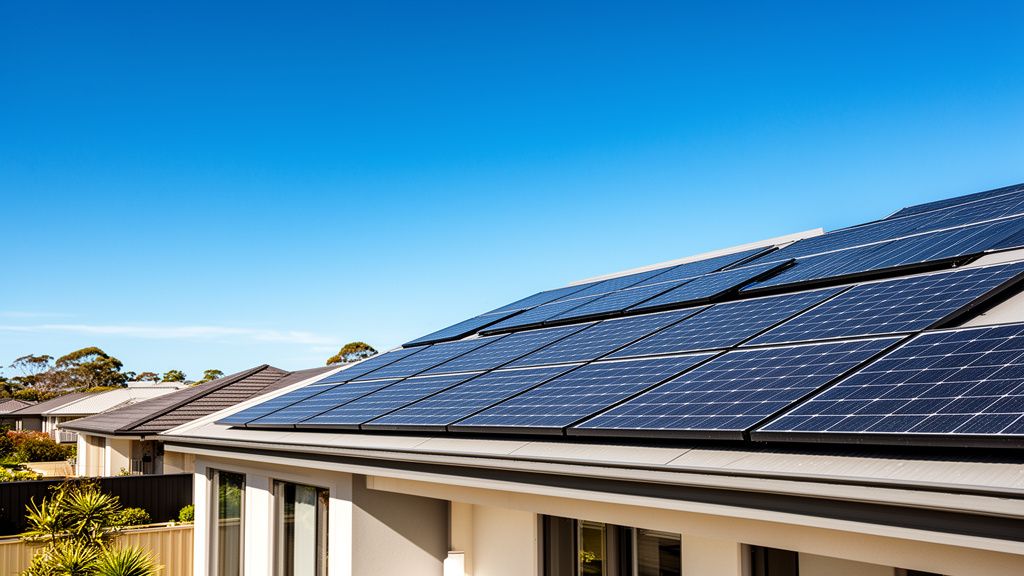
TL;DR: Sustained home electrification in Australia now stems from significant rises in electricity prices, marked improvements in solar and battery technology, and a growing desire for energy independence, rather than just government incentives. Homeowners are investing to cut costs, achieve energy security, and lessen environmental impact.
Do Rising Electricity Bills Drive Most Home Electrification?
Yes, rising electricity bills are a significant driver, forcing homeowners to seek alternatives and better utilise their own generated power. Australian households faced continuous energy cost increases, with NSW residential electricity prices rising over 20% between 2022 and 2023, as per the ACCC. These cost pressures strengthen the financial case for generating power at home, making solar and associated electrification upgrades more attractive. The initial investment in solar, once heavily reliant on state and federal rebates, now pays for itself quicker due to high grid electricity prices. Homeowners realise that avoiding peak usage charges and reducing overall consumption from the grid creates substantial long-term savings that far outweigh the one-off rebate value. This financial motivation becomes a primary consideration.
How Declining System Costs Impact Payback Periods
Solar panel system costs have dropped considerably over the last decade, making them more accessible. A standard 6.6kW solar system, which might have cost $10,000-$15,000 in 2015, now typically costs between $6,000 and $9,000 fully installed before government incentives. This reduction, coupled with higher electricity prices, dramatically shortens payback periods. For example, a system in Brisbane that once took seven to nine years to pay itself off might now do so in four to six years. This faster return on investment means the decision to electrify becomes a sound financial choice based on market economics, not just a bonus from a government scheme. The financial argument has solidified, turning a discretionary purchase into a prudent household investment.
Maximising Self-Consumption When Feed-in Tariffs Decline
The value of exporting excess solar power back to the grid, known as the feed-in tariff (FiT), has steadily declined across most states. Many retailers now offer less than 5c/kWh, a stark contrast to the 20-60c/kWh rates seen a decade ago. This shift means homeowners benefit most by using as much of their self-generated power as possible rather than exporting it. This reality actively drives further electrification. Homeowners add battery storage to capture daytime excess for evening use. They install heat pump hot water systems that run during solar hours. They purchase electric vehicles and charge them from their rooftop solar array. The goal shifts from selling power to the grid to maximising household energy independence and avoiding expensive grid power, making more electrical appliances financially sensible.
What Role Do Technological Advances Play in Sustained Electrification?
Technological advances in energy storage, smart home management, and electric vehicle integration play a significant role, pushing home electrification past basic solar installations. Solar panels themselves have become more efficient and durable, but the real improvements involve what happens to that generated power. Modern battery systems are more affordable, compact, and offer greater cycle life than their predecessors. Smart energy management systems integrate these components, allowing homeowners to monitor and control their usage in real-time, optimising when and how power is consumed or stored. These advancements mean an electrified home provides not just generated power, but intelligent power management, creating a more robust and responsive energy ecosystem within the household.
The Growing Accessibility of Home Battery Storage
Home battery storage has moved from a niche, expensive luxury to a more mainstream, economically viable option for many Australian families. A typical 10kWh battery system, which might have cost upwards of $15,000 five years ago, now often costs $9,000-$12,000 installed, depending on the brand and specific features. This decreasing cost, combined with low feed-in tariffs, makes batteries an attractive proposition for maximising solar self-consumption. Batteries allow households to store excess daytime solar power for use at night, significantly reducing reliance on grid electricity during peak demand periods when prices are highest. This ability to flatten energy usage peaks and reduce grid dependency directly strengthens the financial case for full home electrification.
Integrating EVs and Smart Home Energy Management
The rapid adoption of Electric Vehicles (EVs) in Australia drives home electrification significantly. Many EV owners quickly realise their car represents a substantial "battery on wheels" that can be charged cheaply, or even for free, using their home solar system. This connection motivates a holistic approach to home energy. Smart home energy management systems, often integrated with solar inverters and battery storage, allow homeowners to prioritise charging an EV when solar production is high or automatically run appliances like dishwashers and washing machines during peak solar hours. This seamless integration means a fully electrified home becomes a coherent, intelligent energy hub, where all major power-consuming assets work in harmony, further solidifying the momentum towards greater self-sufficiency.
Does Energy Independence Outweigh Financial Incentives Alone?
For many Australians, the desire for energy independence and reliability, alongside environmental concerns, now outweighs the initial appeal of government rebates. While financial savings remain important, a growing number of homeowners look beyond the dollar signs, driven by a deeper need for control over their energy supply. The experience of grid outages, natural disasters, or simply the uncertainty of future electricity prices fosters a strong desire for self-sufficiency. Having a home energy system that can keep the lights on and essential appliances running during a blackout offers a peace of mind that financial incentives alone cannot deliver. This move towards self-reliance represents a maturity in the Australian energy market, where consumers actively seek resilience.
Battling Grid Instability and Blackouts
Australia's energy grid, particularly in regional areas, has experienced various challenges, leading to increased instances of blackouts and brownouts. These disruptions highlight the fragility of relying solely on centralised power generation. For homeowners, investing in solar with battery storage provides a direct solution to this instability. A typical solar and battery setup can offer backup power during grid failures, ensuring essential services remain operational. This resilience is a powerful non-financial motivator. Families realise that the comfort and security of an uninterrupted power supply, especially during extreme weather events, holds significant value. This makes the investment in a fully electrified home with backup capabilities an attractive insurance policy against an unpredictable grid.
Environmental Responsibility and Future-Proofing Homes
A growing segment of Australian homeowners prioritises environmental responsibility alongside financial benefits. They actively seek to reduce their carbon footprint and contribute to a sustainable future. Electrifying their homes by switching from gas to electric appliances, installing solar, and integrating EVs, directly aligns with these values. Furthermore, there is a clear trend towards future-proofing homes. Buyers increasingly look for properties with lower running costs and modern energy systems. A fully electrified home, especially one equipped with solar and storage, becomes a more valuable asset in a market that is increasingly conscious of energy efficiency and environmental impact. This forward-looking perspective on property value and ecological stewardship pushes electrification forward independently of short-term government incentives.
Key Takeaways
- Sustained home electrification is primarily driven by rising electricity costs and declining system prices, leading to faster payback periods.
- Low feed-in tariffs encourage maximising self-consumption, pushing homeowners to install batteries and electrify more appliances.
- Advances in battery storage, smart energy management, and EV integration make holistic home energy systems more intelligent and effective.
- The desire for energy independence and resilience against grid instability provides significant non-financial motivation.
- Environmental responsibility and increasing property value through future-proofing contribute strongly to electrification momentum.
Read More
For a comprehensive overview, check out our master guide: Read the Full Guide Here.