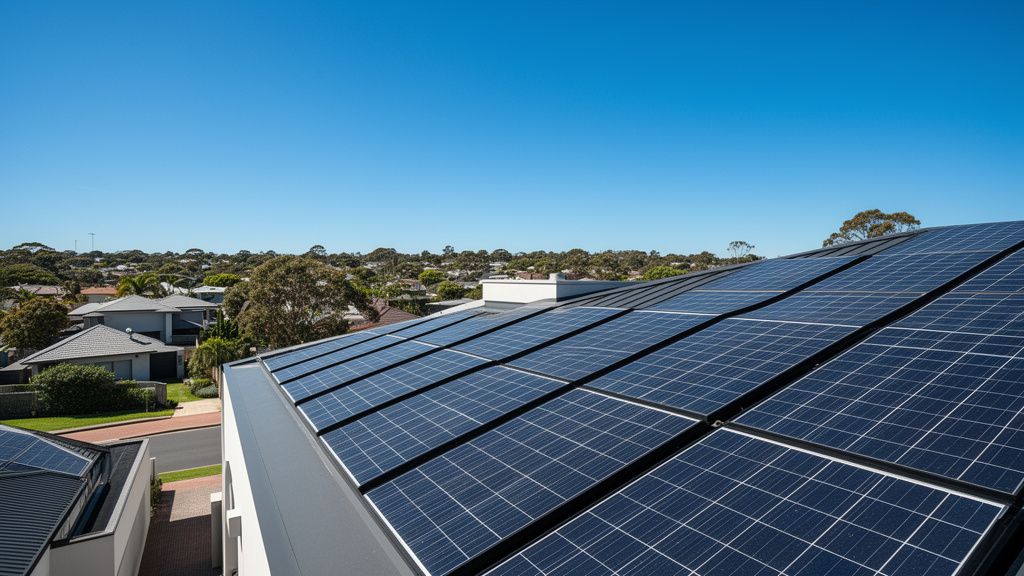
TL;DR: Before installing solar panels, thoroughly assess your roof's current condition and remaining lifespan to avoid costly early panel removal and reinstallation. A roof near the end of its life should be repaired or replaced first, ensuring your solar investment lasts as long as your roof.
Why Is a Roof Assessment Crucial Before Solar Installation?
A thorough roof assessment prevents costly future repairs and ensures the longevity of your solar investment. Solar panels are designed to last 25 to 30 years, an investment that can cost between $4,000 and $10,000 for a typical 6.6kW system in Australia, depending on location and quality. Installing such a long-term asset on a roof that might only have 5-10 years left is a significant misstep. Neglecting this crucial step can lead to expensive complications down the track, turning a smart energy-saving decision into a financial headache. It's about ensuring your roof can reliably support the panels for their entire operational life, maximising your return on investment and maintaining your home's structural integrity.
The Cost of Early Solar Panel Removal and Reinstallation
The cost of removing and reinstalling solar panels can quickly add up, easily reaching several thousand dollars. If your roof needs major repairs or a full replacement after your panels are installed, you'll incur labour costs for specialists to safely disconnect, remove, store, and then re-install your solar system. This could range from $1,500 to $3,000 for a standard residential system, on top of the actual roofing work. These unexpected expenses significantly diminish the financial benefits of your solar system and extend your payback period, often negating years of savings from reduced electricity bills. It's a preventable cost by simply assessing the roof upfront.
Warranty Implications and Structural Integrity Concerns
Ignoring your roof's condition can void warranties and compromise your home's structural integrity. Many solar panel warranties and roof penetration warranties are contingent on the roof being in good condition at the time of installation. If a pre-existing issue leads to a leak or structural problem after solar panels are installed, both your solar installer and roofing manufacturer might deny responsibility, leaving you to foot the bill. Furthermore, poorly maintained roofs, especially those with existing damage or rot, may struggle to bear the additional weight of solar panels, particularly during high winds or heavy rain, posing a significant safety risk to your property.
What Are the Key Indicators of a Roof's Remaining Lifespan?
Identifying several key indicators helps determine if your roof is ready for solar. Before committing to a solar setup, take a good look at your roof – or better yet, get a professional to do it. You're looking for signs of wear and tear, material degradation, and potential weaknesses that could become big problems under the weight and footprint of solar panels. Things like curled or cracked tiles, excessive moss growth, or rust on metal roofing are immediate red flags. Understanding these indicators for different roof types commonly found across Australia is essential for a sound solar investment.
Visual Cues of Deterioration for Different Roof Types
Specific visual cues indicate deterioration depending on your roof's material. For terracotta or concrete tile roofs, look for cracked, broken, or missing tiles, as well as significant moss or lichen growth that suggests prolonged moisture retention. On Colorbond or other metal roofs, rust spots, peeling paint, discolouration, or loose fasteners are tell-tale signs of age and potential issues. Shingle roofs, while less common in Australia than tiles or metal, show wear through curling, buckling, missing granules, or entire missing shingles. Any visible sagging or dips in the roofline, regardless of material, could also point to underlying structural problems that require immediate attention.
Age and Material Specifics for Common Australian Roofs
The age and material of your roof significantly influence its remaining lifespan. A well-maintained Colorbond roof can last 40-70 years, while concrete tiles might last 30-50 years, and terracotta tiles often exceed 50-70 years. If your roof is approaching the lower end of its expected lifespan, say a 25-year-old concrete tile roof, it's prudent to consider its condition more closely. Even if it looks okay from the ground, internal factors like weakened battens or deteriorating underlayment might not be visible. A general rule of thumb is that if your roof is more than 15-20 years old, a thorough professional assessment is highly recommended before adding solar panels.


How Can You Get a Professional Roof Assessment?
Engaging qualified professionals is the most reliable way to assess your roof's suitability for solar. While a preliminary visual inspection from the ground can highlight obvious issues, a comprehensive assessment requires expertise and often involves getting up on the roof. This isn't just about spotting leaks; it's about evaluating the structural integrity, identifying potential weak points that could be exacerbated by panel installation, and understanding the remaining serviceable life of your roofing materials. Investing a few hundred dollars in a professional inspection upfront can save you thousands down the track.
Who to Call: Roofing Specialists vs. Solar Installers
When it comes to professional roof assessment, roofing specialists are generally the best bet, though reputable solar installers will often include a preliminary check. A dedicated roofing company will provide an unbiased, in-depth evaluation of your roof's condition, including its structure, materials, and overall integrity, offering specific recommendations for repair or replacement. While solar installers will assess the roof's suitability for mounting panels and may flag obvious issues, their primary expertise lies in solar, not comprehensive roofing diagnostics. For peace of mind and the most thorough report, engaging an independent roofing professional is often advisable, especially if your roof is older or you suspect existing problems.
What a Comprehensive Roof Inspection Entails
A comprehensive roof inspection goes beyond a quick glance, involving a detailed examination of all roof components. This typically includes checking for damaged or missing tiles/sheets, signs of rust, corrosion or cracking, integrity of flashings around chimneys and vents, condition of gutters and downpipes, and potential issues with underlying sarking or battens. The inspector will also assess the roof pitch, orientation, and shading for solar optimisation. They'll look for water ingress points and evaluate the overall structural soundness. You should receive a detailed report outlining any issues, their severity, and recommended actions, often with photographs, giving you a clear picture of your roof's health.
What Are Your Options if Your Roof Needs Repairs or Replacement?
If your roof requires attention, you have several options before proceeding with solar installation, ranging from targeted repairs to a full replacement. Discovering your roof isn't solar-ready isn't necessarily a deal-breaker, but it does mean a different timeline and potentially a different budget. It's about making an informed decision that secures your home for the long term and maximises the effectiveness of your solar investment. Addressing these issues proactively ensures your roof is in prime condition to support and protect your new solar array for decades to come.
Prioritising Essential Repairs Before Installation
Prioritising essential repairs before solar panel installation is a smart financial move. If the inspection reveals minor issues like a few cracked tiles, loose flashing, or localised rust spots, getting these fixed by a qualified roofer is usually straightforward and relatively inexpensive, often costing a few hundred to a couple of thousand dollars. Addressing these small problems prevents them from escalating into major, costly repairs once panels are on. It ensures that once your solar system is installed, your roof is leak-free and robust, ready to handle the elements and provide a stable base for your energy generation for years.
The Financial Benefit of Combining Roof Replacement and Solar Installation
There can be significant financial benefits to combining a roof replacement with a solar installation. If your roof is nearing its end-of-life, replacing it concurrently with installing solar panels can be more cost-effective than doing them separately. You save on scaffolding costs and the double handling of panels. Roofing companies and solar installers sometimes offer package deals, and you might only need to pay for scaffolding once. Furthermore, having a brand-new roof and a new solar system simultaneously gives you peace of mind for decades, as both major home investments will age together, ensuring maximum lifespan and minimal future maintenance hassles.
Key Takeaways
- Get a professional roof assessment before committing to solar, especially if your roof is over 15-20 years old.
- Understand the potential costs of premature solar panel removal and reinstallation, which can reach several thousand dollars.
- Identify visual signs of roof deterioration, such as cracked tiles, rust, or sagging, as these indicate potential issues.
- Prioritise any necessary roof repairs or maintenance to ensure your roof can support solar panels for their full 25-30 year lifespan.
- Consider combining roof replacement with solar panel installation to save on labour and scaffolding costs, maximising long-term value.
Read More
For a comprehensive overview, check out our master guide: Read the Full Guide Here.