Decoding Solar Panel Size: A Guide for Aussie Homeowners
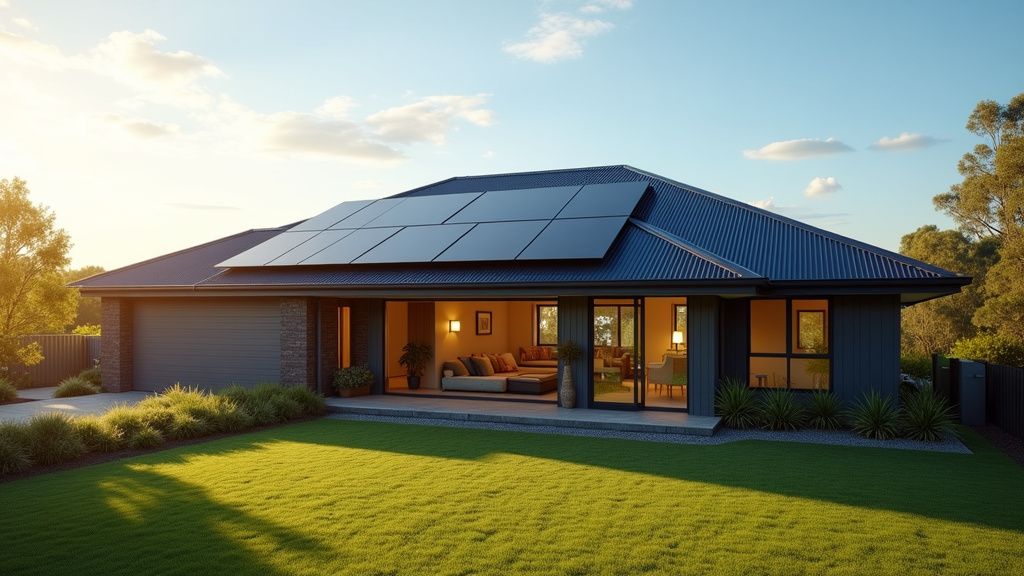
Thinking about going solar? That’s fantastic! One of the first things you’ll grapple with is solar panel size. It's not just about aesthetics; the dimensions and weight of your panels directly impact how much power you can generate and how easily they can be installed on your roof. This guide breaks down everything you need to know about solar panel sizes, dimensions, and weight, so you can make informed decisions for your Aussie home. For a more in-depth look, check out our Complete Guide.
Why Does Size Matter?
Simply put, the size of a solar panel influences two key factors:
- How many panels fit on your roof: Available roof space is a limiting factor. Larger panels might mean fewer panels overall, but it's crucial to ensure they physically fit and are optimally positioned.
- How much electricity you can generate: More solar cells within a panel generally translate to greater power generation.
Standard Solar Panel Sizes for Australian Homes
There isn't a single "standard" size, but here's a breakdown of common dimensions and what to expect:
- 60-Cell (or 120 Half-Cut Cell) Panels: These are frequently used for residential installations. Expect dimensions around 1.6m to 1.7m tall and approximately 1.0m wide. Power output generally ranges from 350W to 500W.
- 72-Cell (or 144 Half-Cut Cell) Panels: These panels are larger, typically around 2.1m tall and 1.1m wide. Due to their size, they're more common in commercial settings or solar farms, but can be used residentially if space allows.
It's important to note the rise of half-cut cell technology. These panels, containing cells cut in half, maintain similar dimensions to their full-cell counterparts, but offer efficiency gains due to reduced electrical resistance. Think of a 120 half-cut cell panel as essentially the same size as a 60-cell panel, but potentially with slightly improved performance.
Panel Wattage vs. Physical Size
While physical size is important, pay attention to the wattage (W) rating of the panel. This indicates its power output. Modern panels commonly range from 350W to 500W.
Here's how wattage affects your system:

Let's say you need a 6.6kW solar system (a common size for Australian homes).
- With 350W panels, you'd need approximately 19 panels.
- With 500W panels, you'd only need around 14 panels.
Higher wattage doesn't automatically mean a "better" panel. Always compare the efficiency rating (found on the panel's datasheet) and dimensions. This will help you determine which panel maximizes power generation within your available roof space.
Understanding Solar Panel Weight
Weight is another important consideration, especially for roof load-bearing capacity. Most solar panels weigh between 18kg and 25kg. Your installer will assess your roof's structural integrity to ensure it can handle the added weight of the panels and mounting equipment.
Factors Affecting Panel Choice
Besides size and wattage, consider these factors when choosing solar panels:
- Roof Space: Measure your available roof area accurately. Account for any obstructions like chimneys or vents.
- Roof Orientation and Pitch: Panels perform best when facing north in Australia. The angle of your roof also affects energy capture.
- Budget: Panel prices vary depending on brand, technology, and wattage.
- Aesthetics: Consider the panel's appearance and how it complements your home's design.
- Warranty: Look for reputable brands with comprehensive warranties.
Working with Your Installer
Choosing the right solar panels involves more than just picking the biggest or cheapest option. A qualified solar installer will assess your energy needs, roof conditions, and budget to recommend the best panel size, wattage, and configuration for your specific circumstances. They'll also handle the installation process, ensuring your system is safe, efficient, and compliant with Australian standards.
In Conclusion
Understanding solar panel size, dimensions, and weight is crucial for making informed decisions about your solar investment. By considering your roof space, energy needs, and budget, and working with a reputable installer, you can choose the perfect panels to harness the power of the Aussie sun and reduce your electricity bills.