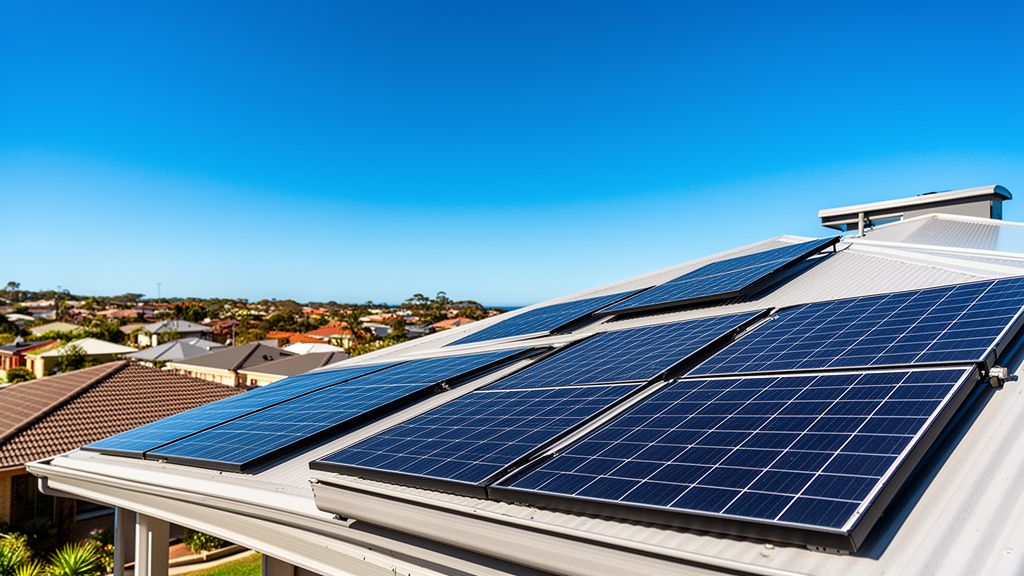
A Deep Dive into Solar-Powered CCTV Systems: Keeping an Eye Out, No Wires Attached!
Security is a major concern for Australians, whether protecting a bustling suburban home, a sprawling rural property, or a remote construction site. Traditional CCTV often means costly, impractical power cables, especially in off-grid locations. But what if you could ditch the wires and still maintain a vigilant watch, powered by our abundant Australian sunshine? Enter solar-powered CCTV systems – a true game-changer for smart, sustainable security. This deep dive explores everything you need to know, perfectly suited for the unique Aussie landscape.
Why Solar-Powered CCTV is Perfect for Australia Australia’s expansive geography and climate make solar CCTV an ideal choice for many reasons:
- Remote Properties: Isolated farmhouses or distant mining sites often lack grid access. Solar CCTV provides reliable surveillance without expensive trenching power lines.
- Bushfire Zones: Rapidly deployed solar security cameras offer vital real-time intelligence, enhancing safety without needing grid infrastructure or constant human presence during the harsh fire season.
- Rising Energy Costs: Harnessing the sun eliminates operational electricity costs associated with traditional security cameras. It’s a win for your budget and the environment.
- Environmental Responsibility: Australians are increasingly conscious of their environmental footprint. Choosing solar technology aligns with a sustainable lifestyle, offering robust security with a clear conscience.
- Flexible Deployment: For construction sites, pop-up events, or livestock monitoring, solar cameras offer unparalleled flexibility for easy installation and relocation as needs change.
How These Clever Systems Work The technology behind solar CCTV is surprisingly straightforward. A typical system comprises:
- Solar Panel: The primary power source, converting sunlight into electricity.
- Rechargeable Battery: Stores the energy from the solar panel, ensuring continuous operation through the night or on cloudy days.
- CCTV Camera: The surveillance unit itself, often featuring high-definition video, night vision, and motion detection.
- 4G/5G Connectivity (Optional): Many modern systems include a 4G or 5G modem for remote monitoring, allowing you to access live feeds and alerts via your smartphone or computer, anywhere with mobile network coverage. During daylight hours, the solar panel charges the battery while powering the camera. When the sun sets or isn't strong enough, the battery seamlessly takes over, guaranteeing uninterrupted vigilance.
The Brilliant Benefits: More Than Just Security Beyond basic surveillance, solar CCTV offers significant advantages:
- True Off-Grid Independence: No mains power? No worries! These systems are self-sufficient, perfect for monitoring remote sheds, gates, water tanks, or any location without existing electrical infrastructure.
- Zero Running Costs: Once installed, your camera’s power supply is completely free, courtesy of the sun. This means no extra drain on your electricity bill each month.
- Unrivalled Flexibility and Portability: Need to reposition your camera? Simply unbolt, relocate, and re-mount. This makes them ideal for evolving security needs or temporary monitoring applications.
- Environmentally Friendly: Reduce your reliance on fossil fuels and lower your carbon footprint. It’s a sustainable security choice for a greener future.
- Round-the-Clock Vigilance: With sufficient battery storage, these systems provide 24/7 monitoring, often coupled with smart features like instant motion alerts sent directly to your phone.
Understanding Your Options: Types and Features Solar CCTV systems come in various configurations to suit diverse Australian needs:

- Standalone Units: These are compact, all-in-one cameras with integrated solar panels and batteries. They're perfect for monitoring specific, smaller areas like a driveway entrance or a garden shed. Generally more affordable and straightforward to install.
- Integrated Systems: For larger properties requiring comprehensive coverage, you might consider systems with multiple cameras linked to a central, more robust solar power hub. These offer advanced management and recording capabilities. Essential features to look for include:
- High-Definition Video: Look for 1080p, 2K, or 4K resolution solar security cameras for clear images.
- Infrared Night Vision: Crucial for effective surveillance in low-light conditions.
- Motion Detection & Smart Alerts: Get immediate notifications when activity is detected.
- Two-Way Audio: Communicate with visitors or deter potential intruders remotely.
- Local & Cloud Storage: Options to save footage to an SD card or securely upload it to the cloud.
- PTZ (Pan-Tilt-Zoom) Capabilities: Remotely adjust the camera's field of view.
- Weather Resistance: A high IP rating (e.g., IP65, IP66) is vital for enduring Australia’s varied weather.
Before You Buy: Key Considerations for Aussies To ensure you choose the right system, consider these critical factors:
- Sunlight Exposure: Maximum direct sunlight is paramount. Assess your intended installation location for optimal, unobstructed solar exposure throughout the day.
- Battery Capacity: This determines how long your camera can operate without direct sunlight. A larger capacity is essential for continuous vigilance during extended cloudy periods or long nights.
- Data Connectivity: For remote monitoring, strong 4G/5G mobile reception is a must at the camera's location, along with a suitable data plan. Wi-Fi options are available if a local network is accessible.
- Camera Quality and Features: Align the camera's specifications (resolution, night vision range, detection intelligence) with your security requirements.
- Installation: While many standalone units are DIY-friendly, more complex setups might benefit from professional installation to ensure optimal performance and panel positioning.
- Budget: Prices vary significantly based on features, brand, and build quality.
A Snapshot of Australian Pricing Indicative prices for solar-powered CCTV systems in Australia (AUD) generally fall into these categories:
- Basic Standalone Units: For a single 1080p camera with a modest solar panel and battery, expect to pay around $150 - $400. These are excellent for focused monitoring of smaller areas.
- Mid-Range Systems: Offering higher resolutions (2K/4K), enhanced night vision, larger battery capacities, and often integrated 4G connectivity, these typically range from $400 - $800 per camera unit.
- Advanced or Multi-Camera Systems: For robust, professional-grade solutions featuring PTZ, extensive cloud storage, and durable construction, prices can start from $800 and exceed $2,000+ per unit, particularly for integrated systems with multiple cameras and a central power source. Remember to factor in the ongoing cost of a data SIM card if you choose a 4G/5G enabled system, and potential professional installation fees.
The Future is Bright (and Secure!) with Solar CCTV Solar-powered CCTV systems are rapidly transforming how Australians approach security, especially across our diverse landscape. They offer an intelligent, cost-effective, and environmentally responsible solution to keep your property safe, no matter its location. By understanding the technology and what to look for, you can harness the abundant power of the sun to achieve unparalleled peace of mind. So, if you’re seeking a smart security upgrade that's as reliable as a perfect Aussie summer's day, it might just be time to explore solar-powered CCTV systems. Keep an eye on your assets, the truly smart way!
Read More
For a comprehensive overview, check out our master guide: Read the Full Guide Here. As an Amazon Associate I earn from qualifying purchases.