TL;DR: To claim federal government incentives like Small-scale Technology Certificates (STCs), Australian solar systems must use solar panels from the Clean Energy Council's (CEC) approved PV modules list. This list is transitioning to strict new international standards (IEC 61730:2023) as of 1 May 2026, and offers "Enhanced Listings" for panels tested against harsh environmental conditions like salt mist, ammonia, and potential-induced degradation (PID).
The Role of the Clean Energy Council Approved List
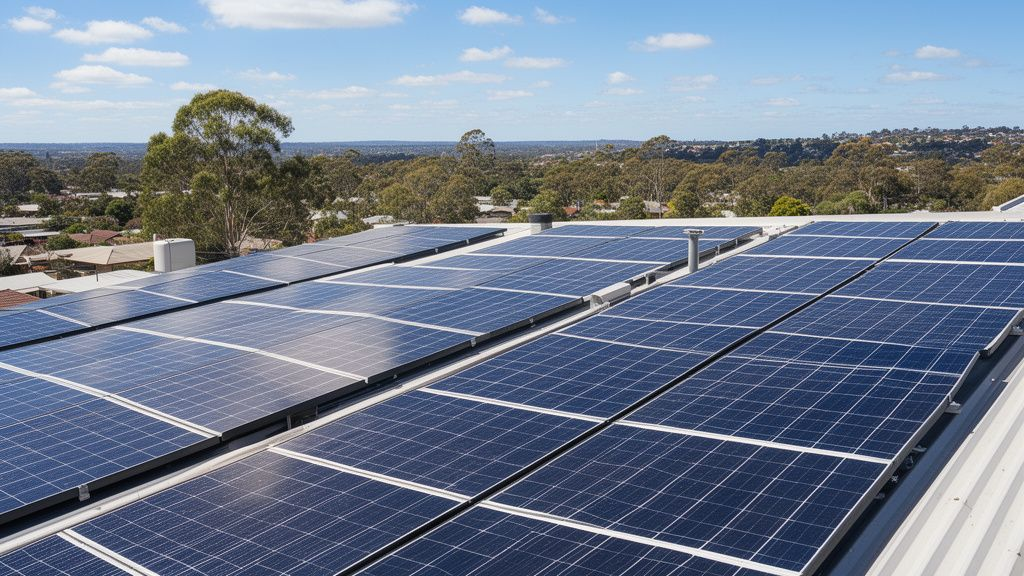
The Clean Energy Council (CEC) maintains a rigorous, compliant list of approved solar photovoltaic (PV) modules suitable for installation across Australia. This database contains over 1,500 individual solar panel models that have been independent-tested and certified to meet basic safety and consumer protection standards.
Using a module from this approved list is not just a recommendation; it is a strict regulatory requirement. Major state government rebate programs, electricity network providers, and the federal Small-scale Renewable Energy Scheme (SRES) mandate that solar systems must only utilize modules from the CEC's list. If an unapproved module is installed, the system owner cannot claim Small-scale Technology Certificates (STCs), which significantly lower the upfront cost of the installation.
Transitioning to the New IEC 61730:2023 Standard
To ensure Australian solar installations continue to feature high-quality equipment, safety standards are regularly updated. The CEC is currently phasing in updated international standards for its approved PV modules list.
As of 1 May 2026, all new applications for solar modules to feature on the approved list must be fully certified to the updated standard: IEC 61730:2023. Currently, many approved models feature the suffix "(IEC 61215-2021)", indicating they met the previous IEC 61215:2021 certification. Manufacturers must keep pace with these changing regulatory dates to ensure their products remain eligible for STC claims and local distribution networks.
Understanding Enhanced Listings for Specific Environments
While the basic CEC Approved Products List ensures that panels meet minimum Australian and international safety standards, these base standards do not always reflect the extreme environmental conditions found across different parts of Australia. To help installers and consumers identify premium products suited for specialized environments, the CEC offers "Enhanced Listings."
An Enhanced Listing indicates that the manufacturer has committed to using only high-quality materials that meet both the base standards and specific, advanced testing standards. Highlighting these extra standards gives buyers the critical details needed to select appropriate equipment for their exact location. No extra application fee is charged to manufacturers for an Enhanced Listing if it is submitted alongside their primary PV module application.
Key Environmental Standards Highlighted in Enhanced Listings
1. IEC 61701: Salt Mist Corrosion Resistance
This standard is highly critical for coastal installations. If a home or commercial building is located within 500 meters of the sea, the air carries a high concentration of salt, which can cause premature degradation of standard solar panels. Modules certified to IEC 61701 are proven to resist salt mist corrosion, ensuring long-term operational integrity near the ocean.
2. IEC 62716: Ammonia Corrosion Resistance
Ammonia is a highly corrosive gas commonly found in the vicinity of intensive livestock production facilities, such as pig, chicken, and cattle sheds. Standard solar panels exposed to high ammonia environments can suffer rapid material breakdown. Panels meeting the IEC 62716 standard are certified to withstand these chemical emissions, making them the standard choice for agricultural solar arrays.
3. IEC TS 62804: Potential-Induced Degradation (PID) Resistance
Potential-Induced Degradation (PID) is a phenomenon where voltage differences between the solar cells and the grounded frame cause power loss over time. PID resistance is incredibly important for larger commercial arrays where maintaining long-term, predictable power output is vital. PID problems are highly exacerbated in hot, humid environments and in systems operating at higher voltages. Because this is a technical standard, there are two distinct test methods and no single pass/fail benchmark, but an Enhanced Listing proves a module's tested resilience against this form of power loss.
Key Takeaways
- Compliance is Mandatory: To qualify for SRES rebates and STC claims, solar installations must exclusively use panels from the CEC Approved PV Modules list.
- Strict New Standards: Starting 1 May 2026, all new panel applications submitted to the CEC list must comply with the updated IEC 61730:2023 standard.
- Beyond the Basics: The CEC's standard list represents minimum requirements; "Enhanced Listings" identify products that meet superior criteria for durability.
- Coastal and Agricultural Protection: Specific certifications like IEC 61701 (salt mist) and IEC 62716 (ammonia) protect panels in coastal areas and intensive livestock zones.
- PID Protection: The IEC TS 62804 standard certifies a panel's resistance to Potential-Induced Degradation, which is crucial for systems in hot and humid climates.