TL;DR: Rising electricity prices, geopolitical instability affecting traditional energy supplies, and declining solar technology costs are making renewable energy an increasingly logical and attractive choice for Australian households and businesses, even for those initially hesitant about the transition. These combined factors drive adoption by highlighting solar's financial benefits and enhanced energy security.
How Do Soaring Electricity Prices Make Solar an Irresistible Choice?
Soaring electricity prices directly position solar power as an urgent and financially sensible solution for Australian households and businesses seeking relief from crippling utility bills. With energy costs having seen significant increases across most states in recent years, solar offers a direct and often immediate offset to these expenditures by generating your own power. For many, a typical household in Sydney or Melbourne paying 35-40 cents per kilowatt-hour (kWh) finds that a substantial portion of their daily consumption can be met by their own rooftop system, drastically cutting their reliance on grid electricity. This shift transforms a recurring expense into a long-term investment with a clear return.
The Impact of Retail Price Hikes on Household Budgets
The consistent upward trajectory of retail electricity prices across Australia, driven by a mix of wholesale market volatility, network charges, and generator maintenance, has pushed many household budgets to breaking point. For example, a family in Queensland facing quarterly bills exceeding $600 now sees a compelling financial incentive to invest in a 6.6kW solar system, which can often be installed for around $5,000-$8,000 after government rebates. This tangible pressure from rising expenses translates directly into a desire for energy independence, where generating your own power becomes not just an environmental choice, but a critical financial strategy to regain control over household outgoings.
Why Does Energy Security Become Crucial Amidst Global Instability?
Energy security becomes crucial amidst global instability because unpredictable geopolitical events often expose the vulnerabilities inherent in a reliance on internationally sourced fossil fuels. When global conflicts or supply chain disruptions occur, they can rapidly affect the price and availability of coal, oil, and gas, leading to domestic energy crises and dramatic price spikes. Decentralised renewable energy systems, particularly rooftop solar combined with battery storage, mitigate this risk by producing power locally and independently, safeguarding Australian homes and businesses from the knock-on effects of distant political and economic turmoil. This shift towards self-sufficiency isn't just about cost savings; it's about national and individual resilience.
Reducing Reliance on Volatile Global Markets
Australia, while rich in natural resources, is still impacted by global energy markets, especially when it comes to liquid fuels and the pricing of natural gas, which can influence electricity generation costs. By embracing solar, Australians reduce their exposure to the unpredictable swings of these international markets, where events far beyond our control can dictate what we pay for power. A household with a solar system generating its own electricity is essentially creating its own localised energy grid, insulated from the price shocks that originate from conflicts in the Middle East or economic slowdowns in Europe. This provides a tangible sense of stability and control over one of life's essential utilities.
What Role Do Government Incentives Play in Accelerating Solar Adoption?
Government incentives play a pivotal role in accelerating solar adoption by significantly reducing the upfront cost barrier, making renewable energy solutions accessible to a broader segment of the Australian population. The Small-scale Technology Certificates (STCs) scheme, a federal initiative, provides an upfront discount on eligible solar power systems, effectively slashing thousands of dollars from the installation price. This direct financial support immediately improves the return on investment for homeowners and small businesses, transforming what might once have seemed like a prohibitive expense into a much more manageable investment with a quick payback period, often within 3-5 years.
Understanding Small-scale Technology Certificates (STCs)
Small-scale Technology Certificates (STCs) are the cornerstone of Australia's federal solar incentive program, functioning as a rebate that's typically applied at the point of sale. The number of STCs you receive depends on the size of your solar system, its location, and the deeming period (which is linked to the system's expected lifetime). For a common 6.6kW system, these certificates can translate to an upfront discount of around $2,500 to $4,000, significantly lowering the initial outlay for homeowners. This immediate reduction in capital expenditure is a powerful motivator, directly addressing one of the primary hurdles to solar adoption by making clean energy a more financially viable choice from day one.
How Has the Plummeting Cost of Solar Technology Changed Perceptions?
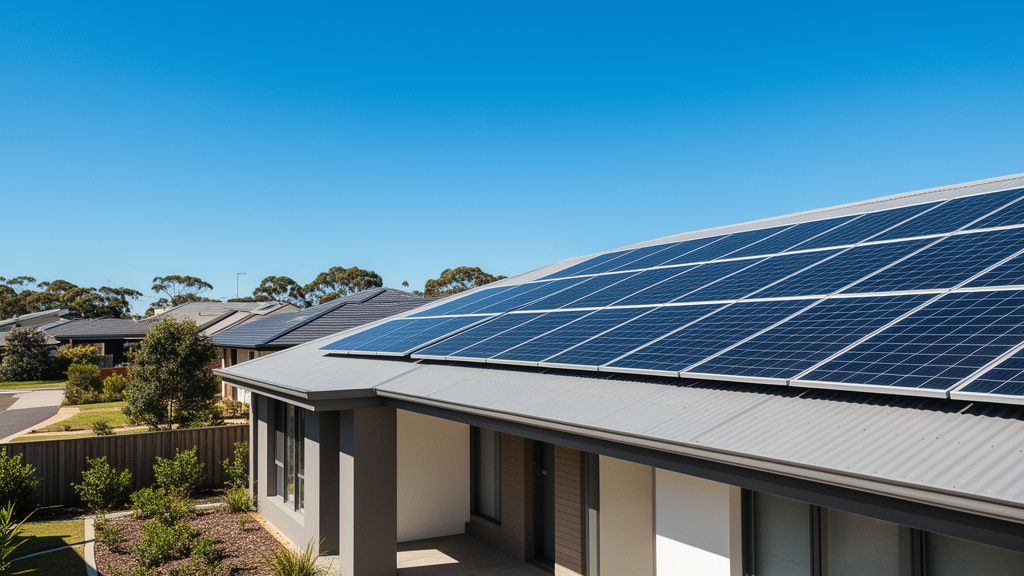
The plummeting cost of solar technology has fundamentally altered public perception, transforming solar power from an expensive, niche solution into an economically attractive and mainstream energy option for everyday Australians. Over the past decade, manufacturing advancements and increased global demand have drastically reduced the price of solar panels, inverters, and even battery storage systems. What once cost upwards of $15,000 for a modest residential system now often sits in the $5,000-$8,000 range after rebates for a much more powerful setup. This dramatic affordability shift means that the financial barrier to entry is lower than ever, making solar an investment that delivers tangible, rapid returns, convincing even the most budget-conscious skeptics.
The Evolution of Solar Panel Efficiency and Affordability
The evolution of solar panel efficiency and affordability has been nothing short of revolutionary, making today's systems far superior value than those of even a few years ago. Modern solar panels are not only cheaper to produce but also significantly more efficient at converting sunlight into electricity, meaning you can generate more power from a smaller rooftop footprint. This combination of lower material costs and improved performance means that a dollar invested in solar today yields a much greater energy return, accelerating payback periods and maximising long-term savings. For instance, a quality 6.6kW system installed now offers vastly superior output and a quicker return on investment than a similar system purchased even five years ago, solidifying its position as a smart financial move.
Key Takeaways
- Rising electricity prices make solar an essential financial strategy to cut household and business expenses.
- Global instability highlights solar's role in providing energy security and independence from volatile international markets.
- Government incentives, like STCs, significantly reduce the upfront cost of solar, making it more accessible.
- The dramatic drop in solar technology costs has made high-performance systems highly affordable with quick payback periods.
- Investing in solar now offers both substantial long-term savings and increased energy resilience for Australian property owners.
Read More
For a comprehensive overview, check out our master guide: Read the Full Guide Here.