Will Solar Sharer Reach Those Who Need It Most? A Critical Look
The promise of free electricity is always an enticing one, especially in a country like Australia where energy costs can significantly impact household budgets. The newly announced "Solar Sharer" program, slated to roll out in New South Wales, South East Queensland and South Australia by mid-2026, aims to do just that: offer consumers free electricity for three hours each day when solar power generation is at its peak. You can read more about the ins and outs of the new program with this Complete Guide.
But will this initiative genuinely benefit those who need it most, or will it simply be another perk for those already comfortably positioned to take advantage of renewable energy incentives? It's a question worth exploring.
The Promise and the Potential
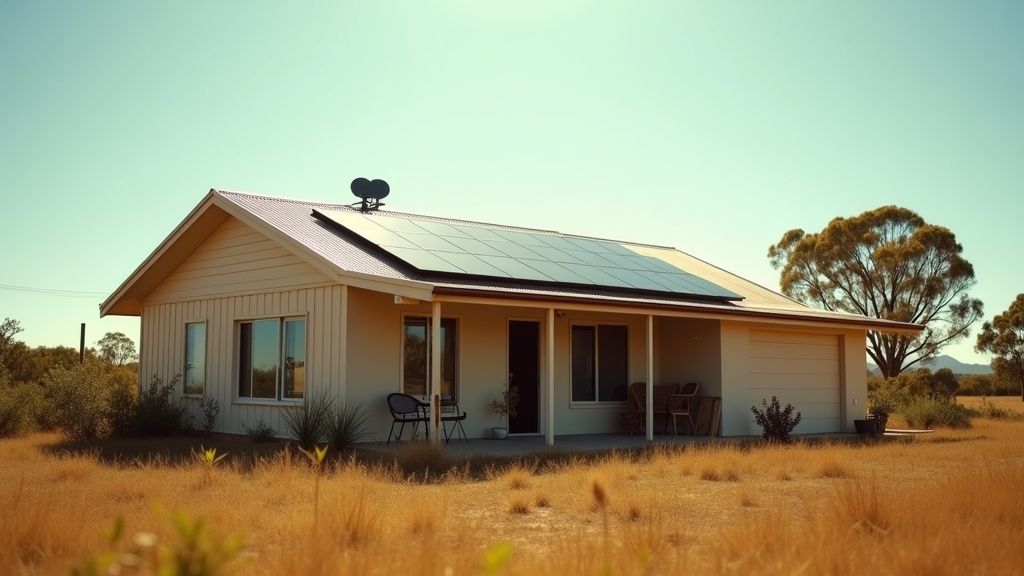
The core concept is sound. During the middle of the day, when solar energy production is highest, participating households will have access to free electricity. This initiative, incorporated into the Default Market Offer (DMO), aims to provide a minimum standard for electricity plans, potentially benefitting both homeowners and renters, regardless of whether they have their own solar panels.
According to government analysis, even a modest shift of energy usage – say, 10% – to this free period could result in a considerable saving on electricity bills for a single-person household, potentially around 9%. Imagine the savings for larger families!
The program encourages a shift in energy consumption patterns. By incentivizing the use of appliances like air conditioners, pool pumps, electric vehicle chargers, and home batteries during daylight hours, it eases the strain on the electricity grid during peak evening demand. This, in turn, is projected to lower overall costs for all electricity users.
Smart Meters: The Key to Access
However, there's a catch: to participate in the Solar Sharer program, households will need to have a smart meter installed. While the potential savings are attractive, the cost of smart meter installation (if not already present) could be a barrier for low-income households. While initiatives are often put in place to subsidize these costs, the process to apply for that support can be difficult.
Location, Location, Location
The initial rollout is limited to NSW, southeast Queensland, and South Australia. While there are plans to expand the program to other states in 2027, those living outside these areas will miss out, at least initially. This geographic disparity raises concerns about equitable access to the benefits of renewable energy.
Is it Truly Accessible?
The success of Solar Sharer hinges on several factors:
- Awareness: Effective public awareness campaigns are crucial to ensure that all eligible households, especially those in vulnerable communities, are aware of the program and how to participate.
- Simplicity: The application process and program rules need to be straightforward and easy to understand. Overly complex requirements could deter those who would benefit most.
- Support: Targeted support programs are needed to assist low-income households with the upfront costs of smart meter installation and with adapting their energy consumption habits.
- Flexibility: Not all households have the flexibility to shift their energy consumption to the middle of the day. Consideration needs to be given to those with inflexible work schedules or specific medical needs that require consistent energy access.
A Step in the Right Direction, But Needs Careful Consideration
The Solar Sharer program represents a positive step towards a more sustainable and affordable energy future for Australians. The move towards free renewable energy when it is abundant should reduce electricity prices across the board. However, its success in reaching those who need it most depends on addressing the potential barriers to access and ensuring that the benefits are distributed equitably.
It's crucial for the Australian Energy Regulator to carefully consider these factors during its consultation process. By prioritizing accessibility, simplicity, and targeted support, the Solar Sharer program can truly empower all Australians to reap the rewards of solar energy, regardless of their income or circumstances.