TL;DR: While Australia's electric vehicle (EV) adoption currently trails many developed nations, experts predict a significant acceleration in the coming years. This surge will be driven by supportive government policies, rapid expansion of charging infrastructure, and falling purchase costs, making EVs a common sight on Australian roads by the end of the decade.
What is the Current State of EV Adoption in Australia?
Australia's EV adoption currently lags many developed nations, with electric vehicles making up a smaller percentage of new car sales compared to countries in Europe or even New Zealand. Despite a growing appetite among consumers, persistent challenges have historically slowed the uptake, positioning Australia as a late bloomer in the global EV race. However, 2023 saw a significant jump, with EVs comprising over 8% of new car sales, up from just 3.8% in 2022, signalling the beginning of a rapid growth trajectory as more models become available and infrastructure expands.
How Does Australia Compare Globally in EV Uptake?
Australia's EV market share has traditionally been modest when stacked against global leaders. Norway, for example, consistently sees EVs account for over 80% of new car sales, while the UK and Germany are well over 15%. Even New Zealand, with a similar car market structure, has had stronger incentives and higher penetration rates. This gap has often been attributed to a lack of clear national policy, limited model availability, and higher upfront costs, but these factors are now rapidly changing.
What Primary Barriers Have Historically Slowed Adoption?
Historically, three major hurdles have impacted Australian EV adoption: the higher upfront purchase price compared to internal combustion engine (ICE) vehicles, the perceived lack of sufficient public charging infrastructure, and a limited choice of affordable EV models. Many early EVs were premium-priced, pushing them out of reach for the average Aussie family. Coupled with range anxiety and concerns about charging availability on long road trips, these factors created a cautious market.
How Will Policy and Incentives Drive Future EV Growth?
Government policies and incentives are expected to be a significant catalyst for accelerating EV adoption, particularly at federal and state levels, shifting Australia into a higher gear. The introduction of national emissions standards and various state-based schemes are designed to both encourage supply from manufacturers and reduce the cost burden for consumers, directly addressing previous market inhibitors. These coordinated efforts are crucial for creating a robust and attractive EV ecosystem across the country.
What Federal Initiatives and Their Impact are Expected?
The anticipated introduction of a New Vehicle Efficiency Standard (NVES) at the federal level is a game-changer. This standard will compel car manufacturers to supply more fuel-efficient vehicles, including EVs, to the Australian market, closing the gap in model availability experienced in previous years. Furthermore, federal funding programs for charging infrastructure, such as the National EV Charging Network, are bolstering confidence for long-distance travel and suburban charging accessibility.
How Do State-Based Subsidies and Tax Breaks Contribute?
Several states have implemented their own incentives to further sweeten the deal for EV buyers. New South Wales and Victoria, for instance, have offered stamp duty exemptions, significant rebates of up to $3,000 for new EV purchases under a certain price cap, and reduced registration fees. These financial incentives directly lower the total cost of ownership, making EVs more competitive with petrol cars and accelerating the payback period, especially when combined with home solar charging.
Will Charging Infrastructure Keep Pace with Demand?
The expansion of public and home charging infrastructure is critical, and experts predict a significant build-out, though unevenly distributed, will enable greater EV uptake. While public fast-charging networks are growing along major highways, the real backbone of EV charging will remain at home, especially for those with rooftop solar systems. This combined approach is vital for overcoming range anxiety and ensuring convenient, cost-effective charging solutions.
How is the Public Fast-Charging Network Expanding?
Major players like NRMA, Ampol, Chargefox, and state government initiatives are rapidly expanding the public fast-charging network across Australia. Strategic corridors are being prioritised, connecting major cities and regional hubs, enabling longer journeys. While still developing, the pace of installation is increasing, with hundreds of new fast chargers expected over the next few years. This expansion is crucial for convincing more drivers that Australia is ready for EV road trips.


What is the Role of Home Charging and Solar Integration?
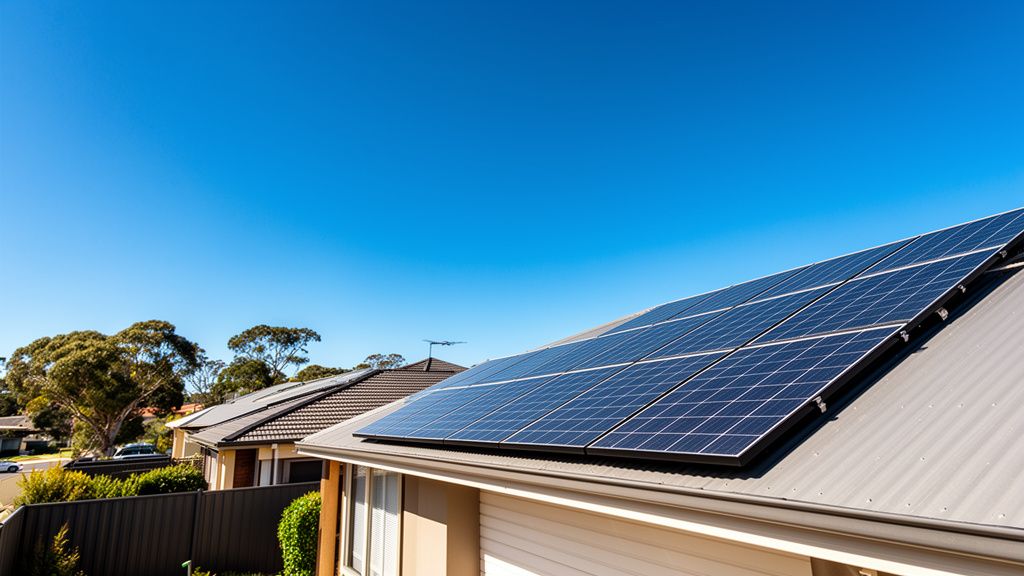
Home charging remains the most convenient and cost-effective way for EV owners to refuel, with over 80% of charging typically occurring overnight in driveways or garages. For the estimated 3.8 million Australian households with solar panels, pairing an EV with solar power offers substantial savings. Charging an EV from a 6.6kW solar system during the day can effectively provide "free" kilometres, drastically reducing running costs and enhancing the environmental benefits of driving electric. Vehicle-to-Grid (V2G) technology, though nascent, also promises future opportunities for EVs to support the grid and maximise solar self-consumption.
What Role Do Falling Costs and Model Availability Play?
Declining purchase prices and a broader range of affordable EV models are anticipated to be a primary driver for mainstream adoption, making EVs more accessible to the average Aussie family. As battery technology improves and manufacturing scales up, the cost of EVs is expected to continue its downward trend, pushing them closer to price parity with traditional petrol cars, thereby removing a significant barrier for many potential buyers.
What is the Trajectory of EV Price Parity in Australia?
Experts predict that several EV models will reach price parity with equivalent ICE vehicles in Australia within the next 3-5 years. This trend is already evident with models from brands like MG and BYD, which offer competitive pricing. The rise of the second-hand EV market will also contribute to affordability, providing more entry-level options for consumers. This economic shift will be a powerful incentive for broader adoption.
How Will Increased Model Choice Impact the Market?
The influx of new EV models from various manufacturers, including more affordable options and different body types (SUVs,utes), is dramatically expanding consumer choice. Brands like BYD, MG, Tesla, and Hyundai are leading the charge, with traditional carmakers also accelerating their EV offerings. This wider selection ensures that more Australians can find an EV that suits their lifestyle and budget, rather than being limited to a few premium options, thus supercharging market growth.
Key Takeaways
- Australia's EV adoption is rapidly accelerating, expected to catch up to global leaders by the end of the decade, driven by policy and market forces.
- Government policies, especially the federal NVES and state-based incentives, are crucial for increasing EV supply and reducing upfront costs.
- The charging infrastructure is expanding significantly, with public fast-chargers growing and home charging (especially with solar) remaining critical for daily use.
- Falling EV purchase prices and a wider range of affordable models are making electric vehicles accessible to a broader segment of the Australian population.
- Integrating EVs with home solar systems offers substantial cost savings, providing "free" kilometres and boosting the environmental benefits of electric driving.
Read More
For a comprehensive overview, check out our master guide: Read the Full Guide Here.