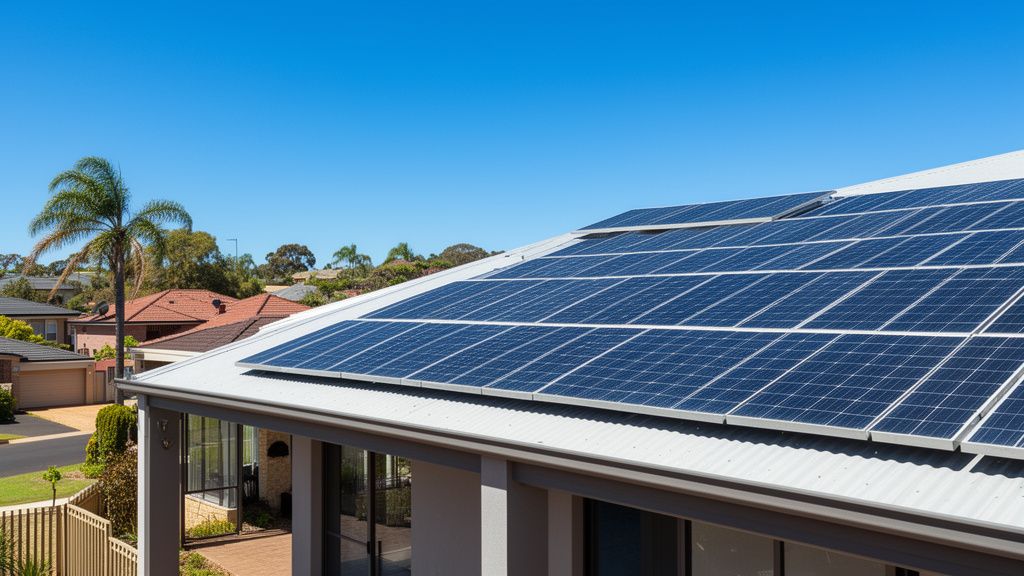
TL;DR: Investors are pouring millions into sustainable data centres because the escalating energy demands of the digital economy, combined with mounting regulatory and ESG pressures, make green infrastructure a financially astute, future-proof investment. Leveraging Australia's abundant solar resources significantly reduces operational costs and enhances long-term profitability.
Why Are Data Centre Energy Demands Skyrocketing Across Australia?
Australia's data centre energy demands are experiencing unprecedented growth due to the nation's rapid digital transformation, widespread adoption of cloud computing, and the exponential rise of artificial intelligence workloads. As businesses and consumers increasingly rely on digital services, from streaming high-definition content to complex machine learning processes, the sheer volume of data being processed and stored continues to expand exponentially. This digital tsunami requires vast amounts of electricity, not just to power servers and networking equipment, but also for the intensive cooling systems essential to prevent overheating. This escalating energy consumption presents significant operational costs and places considerable strain on existing energy grids, making energy efficiency and renewable sources critical for sustainability.
The Digital Tsunami: Cloud and AI Growth
The pervasive shift to cloud-based services and the explosion of AI applications are the primary architects of this energy surge. Every query to ChatGPT, every transaction on an e-commerce platform, and every byte of data processed for analytics contributes to the immense power draw. Australian organisations, keen to harness these technologies for competitive advantage, are driving demand for more sophisticated and powerful data centres. This relentless growth means that without sustainable solutions, the environmental footprint and operational expenses of these vital digital hubs would become untenable, costing a pretty penny and potentially compromising grid stability, particularly during peak usage periods.
Keeping the Lights On: Grid Strain and Costs
The sheer scale of power required by modern data centres can be staggering, with large facilities consuming hundreds of megawatts – enough to power tens of thousands of homes. This places immense pressure on Australia's national electricity grid, particularly as the country transitions from fossil fuels to renewables. Traditional energy sources are becoming more expensive and less reliable, with wholesale electricity prices fluctuating dramatically. For data centre operators, this volatility translates directly into higher operational costs, sometimes reaching millions of dollars annually for power alone. Investing in on-site or directly procured renewable energy, like solar, offers a buffer against these rising costs and improves energy security.
How Do Sustainability and Solar Power Boost Data Centre Profitability?
Sustainability initiatives, particularly the integration of solar power, directly enhance data centre profitability by significantly reducing operational costs and improving market attractiveness. By harnessing Australia's abundant sunshine, data centres can generate a substantial portion of their own electricity, dramatically cutting down on grid reliance and exposure to volatile energy prices. This self-sufficiency not only shrinks massive electricity bills but also creates long-term predictable energy expenses, a highly attractive prospect for investors seeking stable returns. Furthermore, demonstrating a commitment to environmental responsibility resonates deeply with corporate clients and contributes to a stronger brand image and competitive edge.
Slaying the Power Bill Dragon with Solar Savings
For data centres, electricity is often the single largest operational expenditure, easily accounting for 30-50% of total costs. A substantial investment in a commercial solar array can generate significant power savings. For instance, a 1-megawatt (MW) rooftop solar system could offset a considerable chunk of a data centre's power needs, potentially saving hundreds of thousands of dollars annually in energy costs, assuming a commercial rate of around 25-30 cents per kilowatt-hour. Over a 20-25 year lifespan, these savings run into the tens of millions, directly boosting the bottom line and improving investment payback periods. The initial capital outlay for solar is increasingly offset by government incentives and accelerated depreciation benefits.
The Green Halo: Attracting Customers and Capital
Beyond direct cost savings, sustainable data centres with solar power gain a significant marketing advantage. Corporate clients, increasingly under pressure to meet their own environmental, social, and governance (ESG) targets, are actively seeking out green suppliers. A data centre powered by 100% renewable energy, or with a substantial solar contribution, becomes a highly desirable partner. This "green halo" not only attracts new customers but also commands a premium in the market, driving higher revenue and improving occupancy rates. For investors, this translates into a more resilient business model with a stronger competitive position and enhanced long-term value.
What Are the Key Drivers for Investor Confidence in Green Data Infrastructure?
Investor confidence in green data infrastructure is primarily driven by escalating regulatory pressures, stringent ESG (Environmental, Social, Governance) mandates, and the inherent long-term asset value of sustainable operations. Governments globally, including Australia, are implementing stricter carbon emission targets and energy efficiency standards, making traditional, energy-intensive data centres a growing regulatory risk. Simultaneously, institutional investors are increasingly evaluating companies based on their ESG performance, meaning that non-compliant assets risk being devalued or even divested. Sustainable data centres, therefore, are not just environmentally friendly; they are also strategically essential for mitigating future risks and ensuring capital appreciation.
Meeting Regulatory and ESG Demands
Australia is committed to reducing emissions, and this commitment filters down to all sectors, including energy-intensive industries like data centres. New policies and carbon pricing mechanisms are expected to penalise high emitters, making investments in non-green infrastructure a liability. Concurrently, major superannuation funds and investment houses are prioritising ESG factors, demanding transparency and tangible progress from the companies they back. Data centres that proactively integrate solar and other green technologies demonstrate foresight, compliance, and a commitment to responsible business practices, making them highly attractive to investors who need to satisfy their own ESG mandates and reporting requirements.
Future-Proofing Assets for Long-Term Value
Investing in sustainable data centres is a strategic move to future-proof assets against climate risks and market shifts. Buildings designed for high energy efficiency and equipped with renewable power sources like solar panels inherently have a longer viable lifespan and lower operational overheads in a carbon-constrained economy. This translates into more stable, predictable cash flows and a stronger return on investment over the long term. As technology evolves and the energy landscape changes, sustainable infrastructure is better positioned to adapt, maintain value, and attract premium tenants, enhancing its attractiveness as a durable, appreciating asset in an investor's portfolio.


What Role Does Australian Solar Play in Attracting Investment?
Australian solar power plays a pivotal role in attracting investment into sustainable data centres, leveraging the country's abundant sunshine, strong renewable energy targets, and the potential for energy independence. Australia boasts some of the highest solar irradiation levels globally, particularly across its vast landmass, making it an ideal location for large-scale solar farms or extensive rooftop installations. This natural advantage translates directly into higher energy yields and lower levelised cost of electricity for solar projects, making green data centres particularly viable and attractive here. Investors recognise that Australia's commitment to a renewable energy future aligns perfectly with the long-term sustainability goals of data centre operations.
Sun-Drenched Savings and Self-Reliance
The sheer amount of sunshine Australia receives means that a well-designed solar array can provide a substantial, reliable power source for data centres. With ample space often available for ground-mount or extensive rooftop solar PV systems, facilities can achieve significant energy self-sufficiency, reducing their reliance on the grid and mitigating exposure to network charges and price spikes. For investors, this offers a compelling case for financial stability and operational resilience. Imagine a data centre operating mostly on clean energy it generates itself, drastically cutting down on electricity bills that might otherwise cost several million dollars annually. This vision is a powerful draw for capital.
Australia's Green Energy Ambition
Australia's ambitious renewable energy targets and supportive policies further bolster investor confidence. State and federal governments are actively promoting renewable energy adoption through various incentives, grants, and infrastructure development, creating a favourable environment for green investments. The push towards a net-zero future means that investing in solar-powered data centres here isn't just about current savings; it's about aligning with the nation's strategic energy direction and capitalising on a growing market for green services. This alignment offers a robust framework for long-term growth and ensures that investments are in line with national priorities, reducing policy risk and enhancing certainty for shareholders.
Key Takeaways
- Energy Demand Drives Green Investment: The exponential growth of data centres due to cloud and AI necessitates sustainable, cost-effective power solutions.
- Solar Delivers Profitability: Integrating solar power directly reduces operational costs by cutting electricity bills, improving data centre profitability and stability.
- ESG & Regulation Fuel Confidence: Investor confidence is strong due to increasing regulatory pressures and ESG mandates, making green data infrastructure a de-risked and future-proof asset.
- Australia's Solar Advantage is Key: Australia's abundant solar resources and strong renewable energy commitments offer a unique competitive edge for sustainable data centre investments.
- Future-Proofing for Value: Investing in green data centres is a strategic move to ensure long-term asset value, attract discerning clients, and align with global sustainability trends.
Read More
For a comprehensive overview, check out our master guide: Read the Full Guide Here.