"# What You Need to Know Before Buying Solar Panels in Australia
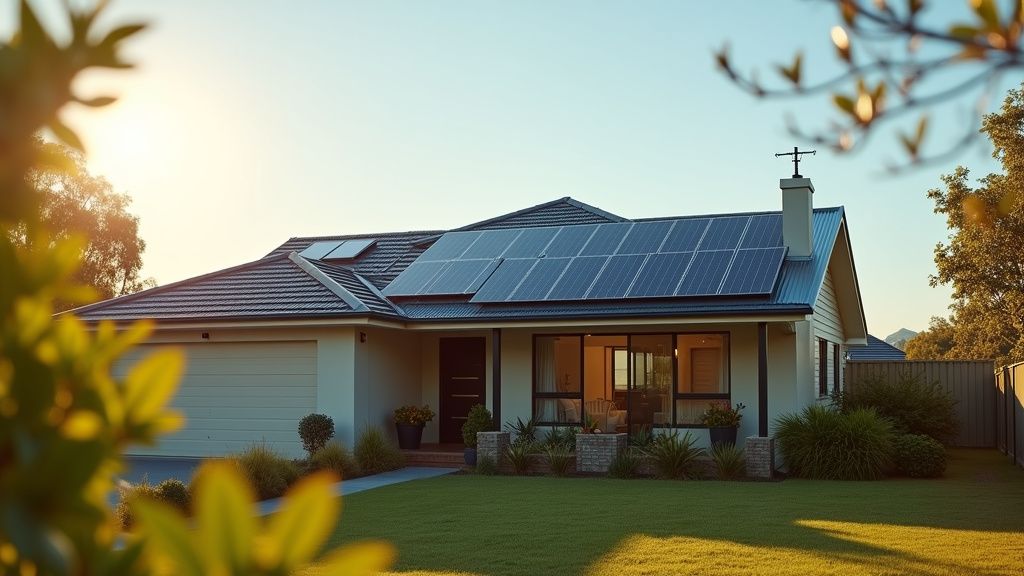
Thinking about harnessing that abundant Aussie sunshine to power your home? You’re not alone! Solar panels are a fantastic investment for many Australian households, offering significant savings and a step towards a greener future. But with so much information out there – and let’s be honest, some pretty aggressive sales tactics – it's easy to feel overwhelmed.
At SolarInsights, we believe in arming you with the facts. Forget the jargon and the sales pitches; we’re here to give you the straight answers you need to make an informed decision. Before you dive in, grab a cuppa and let’s break down what you absolutely need to know. For a deep dive into component quality, check out our Complete Guide.
Is Solar Right for You? Not Everyone Should Go Solar (Yet!)
It might sound counter-intuitive, but solar isn't a silver bullet for everyone. Before you get swept up in the excitement, consider if any of these apply to your situation:
- You're moving soon: If you’re not planning to stay in your current home for at least the next few years, the payback period might not align with your timeline.
- Your roof isn't suitable: Major shade from trees or neighbouring buildings, or insufficient roof space, can drastically reduce efficiency.
- You have very low electricity bills already: If your energy consumption is minimal, the savings might not justify the initial investment.
- Your current electricity plan offers a poor feed-in tariff: While feed-in tariffs aren't what they once were, a particularly low rate can extend your payback period.
If any of these sound like you, it might be worth holding off or exploring other energy-saving options first. For everyone else, read on!
Unpacking Your Potential Savings
The biggest question on most people's minds is, "How much will I save?" Your solar savings and the time it takes to pay off your system (payback period) depend primarily on three critical factors:
- Your electricity consumption habits: How much power do you use during the day when your panels are generating electricity?
- The size and efficiency of your solar system: A bigger, more efficient system will naturally generate more power.
- Your specific electricity tariff and feed-in tariff rates: This determines how much you pay for grid power and how much you get for exporting excess solar.
When these three factors align favourably, you could see your investment pay for itself in as little as 2.5 to 3 years. In less ideal scenarios, it might take 7 to 9 years. The good news is that various online tools can give you a realistic estimate of your potential savings based on your unique circumstances.
What's the Real Cost of Solar in Australia?
The price of solar has seen some fluctuations, but generally, panels haven't risen with inflation in recent years, meaning they've become more affordable in real terms. Based on recent data from thousands of Australian installations since 2023, a standard 10 kW solar panel system has an average price tag of around $10,000.
As a general guideline, expect to pay approximately $1,000 per kilowatt (kW) for a solid, reliable system. So, a 6 kW system might be around $6,000, and a 10 kW system, $10,000. Be wary of systems advertised as low as $500 per kW – these often cut corners on quality. On the other hand, high-end solutions can reach up to $1,200 per kW, reflecting premium components and exceptional installation.
It's crucial to understand that the quality of the installation company is a significant variable. You'll often pay a bit more for a highly reputable installer, but the peace of mind, better performance, and long-term reliability are usually worth it.
Panel Quality: Is the Extra Cost Worth It?
When comparing quotes, you'll notice a considerable price difference between various panel brands. This isn't just marketing hype; it reflects differences in technology, durability, and warranty support.
Consider this: if a budget-friendly panel might cost around $130, a premium alternative from a highly respected brand could be upwards of $290. For a typical 23-panel system, this brand choice alone could account for a difference of roughly $3,700 in the cost of the panels. This figure doesn't even include the inverter, mounting hardware, or the cost of installation – just the panels themselves.
While we won't name specific brands to avoid, sticking to widely recognised and recommended manufacturers is a smart move. Research their warranties, performance in Australian conditions, and track record. Skimping on panel quality to save a few hundred dollars upfront can lead to much larger problems and lower energy generation down the track.
Key Considerations When Comparing Quotes
When you’re ready to get quotes, don’t just look at the bottom line. Here’s what else to scrutinise:
- System Size (kW): Ensure it meets your household's needs.
- Panel Brand and Model: Research the quality, efficiency, and warranty.
- Inverter Type and Brand: The inverter is the heart of your system; don’t compromise on quality here.
- Installation Company's Reputation: Look for local reviews, accreditations, and their experience.
- Warranty Details: Understand both product warranties (panels, inverter) and the installation warranty.
- Estimated Production: Ask for an estimate of how much electricity the system will generate annually.
- Breakdown of Costs: Ensure the quote is detailed, showing costs for panels, inverter, installation, and any extras.
Buying solar panels is a significant decision for your home and your wallet. By understanding these key factors, asking the right questions, and prioritising quality over just the cheapest price, you'll be well on your way to a successful, energy-efficient future. Do your homework, compare diligently, and choose a system that will serve you well for many sunny years to come.