TL;DR: Rooftop solar and distributed energy resources are transforming Western Australia's energy mix, with rooftop solar contributing 60 GWh (14.0% of total demand) on the SWIS at an average value of $113.99/MWh. To manage this rapid adoption, the WA Government is actively consulting on regulatory changes to streamline connections for systems up to 30 kW and 1 MW, while implementing management schemes to maintain grid security.
Rooftop Solar Impact on the SWIS
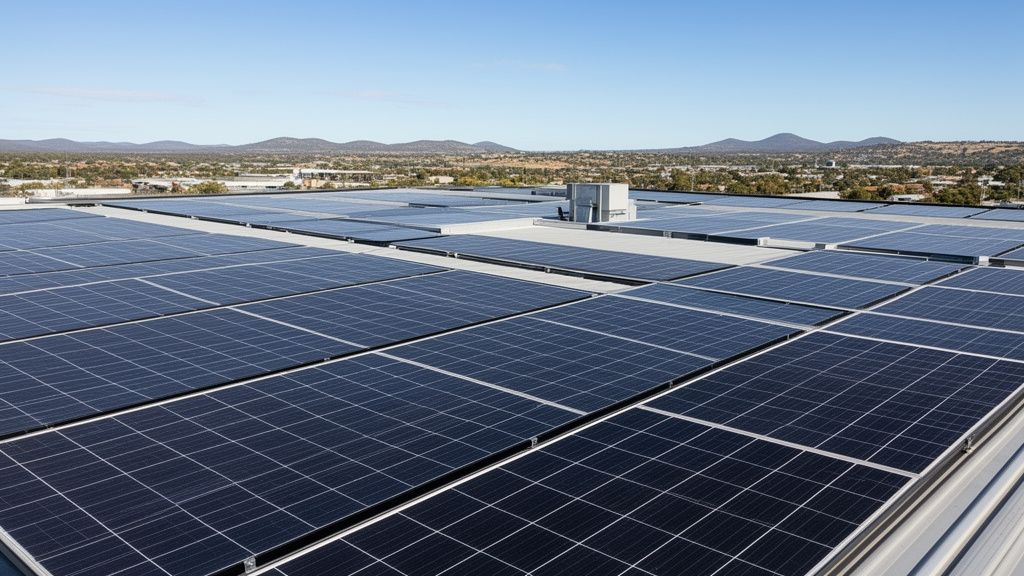
Western Australia's South West Interconnected System (SWIS) is experiencing a historic influx of residential clean energy. According to recent data from Open Electricity, rooftop solar systems alone contributed an impressive 60 GWh of energy to the SWIS. This represents a substantial 14.0% of the grid's total electricity demand.
This level of generation carries significant economic and operational value. The average value of this rooftop solar generation was recorded at $113.99/MWh. This high contribution highlights how local households have become central players in the state's energy generation mix. However, integrating such a vast network of decentralized generators requires robust management and forward-thinking grid policies.
What are Distributed Energy Resources?
As defined by the Government of Western Australia, Distributed Energy Resources (DER) encompass a wide array of small-scale generation, storage, and demand-management technologies located at homes or businesses. These last updated guidelines on 20 July 2026 outline that these include:
- Rooftop solar panels
- Residential and commercial battery systems
- Electric vehicle (EV) chargers
- Smart energy management systems
- Efficient appliances, such as heat pump hot water systems
Because these technologies are owned by consumers and connected directly to local distribution networks, they operate differently from traditional centralized power stations. Managing them effectively is critical to maximizing their benefits for all Western Australians.
Simplifying Connections and Export Rules
To support the ongoing rollout of these technologies, Energy Policy WA is currently consulting on a suite of rule changes designed to make it much easier for customers to connect solar panels, batteries, and EV chargers.
For residential and small commercial customers, the proposed changes focus on improving the functionality of inverters with a capacity up to 30 kilowatts (kW). Upgrading this inverter functionality is a necessary prerequisite for rolling out "flexible exports," which allow systems to adjust their output dynamically based on real-time grid conditions, avoiding strict static export limits.

For larger businesses, the government is considering rule changes to provide a simpler, more streamlined pathway to connect solar and battery systems of up to 1 megawatt (MW) in capacity. Additionally, these business-focused rules aim to provide commercial operators with better access to network capacity data, allowing them to make informed investment decisions. Stakeholders can provide feedback or ask questions about these proposed changes by emailing the government at smartersolar@deed.wa.gov.au.
Western Australia's Solar Management and Incentive Schemes
Western Australia's distributed energy transition is supported by several state and federal initiatives designed to balance financial incentives with grid stability:
- Upfront Incentives: Homeowners can access upfront financial discounts through the federal Small-scale Renewable Energy Scheme (SRES) for installing eligible solar panels and batteries.
- Energy Buyback Schemes: These programs provide payments to customers for exporting excess clean energy from eligible solar panels, batteries, and electric vehicles back into the grid.
- WA Residential Battery Scheme: This state initiative helps residents adopt home battery storage systems to maximize their self-consumption.
- Emergency Solar Management: As a safety mechanism to maintain grid security during periods of extremely low demand, WA has introduced Emergency Solar Management protocols, allowing the grid operator to temporarily manage solar generation during emergencies.
Key Takeaways
- SWIS Milestone: Rooftop solar contributes 60 GWh, or 14.0% of total demand, to WA's SWIS grid at an average value of $113.99/MWh.
- Consultation Open: The WA Government is consulting on connection rules for inverters up to 30 kW to enable flexible exports and is accessible via smartersolar@deed.wa.gov.au.
- Commercial Support: Businesses will benefit from simplified connection pathways for systems up to 1 MW and improved access to grid capacity data.
- Grid Security: Emergency Solar Management acts as a safeguard to manage high solar generation levels and protect the stability of the SWIS network.