TL;DR: The Clean Energy Australia 2026 Report shows significant growth in renewable energy, but Australia's energy transition involves more than just household batteries. The report highlights substantial investment in large-scale projects and grid upgrades, alongside persistent challenges like transmission bottlenecks.
What does the Clean Energy Australia 2026 Report tell us?
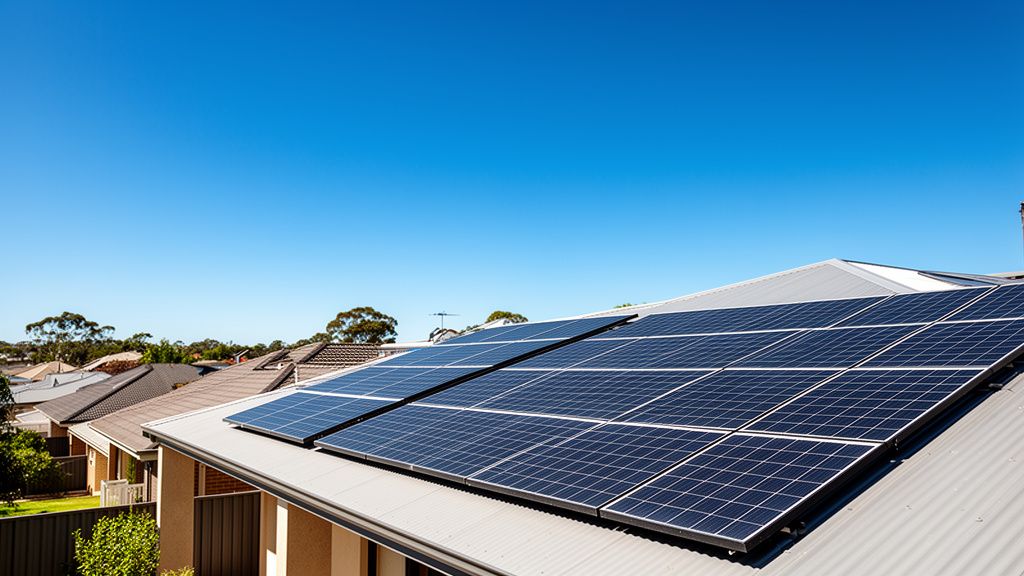
The Clean Energy Australia 2026 Report details the nation's progress in renewable energy, highlighting growth in solar, wind, and storage, while pointing out areas for grid modernisation and policy refinement. The Clean Energy Council publishes this annual report, providing a detailed snapshot of the sector's performance. In 2025, Australia added 5 GW of new large-scale renewable capacity, a record. This increase came from a mix of wind farms, solar farms, and grid-scale batteries. Rooftop solar also continued its strong run, with over 350,000 new systems installed across homes and businesses. This sustained uptake keeps Australia at the top globally for household solar penetration. Despite these gains, the report also shows that emissions reduction targets require a faster pace of development and deeper integration of new technologies. The overall trend indicates a clear move towards a cleaner energy mix, but with growing pains in infrastructure.
How does the report measure Australia's clean energy progress?
The report measures Australia's clean energy progress through specific metrics like new capacity installed, total investment, and the percentage of renewable energy in the national grid. It tracks financial commitments to large-scale projects, identifying where capital flows and which states lead in investment. For instance, Queensland saw over $3 billion in new large-scale project commitments in 2025, according to the report's figures. It also assesses policy effectiveness, examining how government initiatives and market mechanisms affect project development and deployment. Data on job creation within the clean energy sector and the contribution of renewables to the electricity supply also form part of the assessment. This comprehensive approach helps stakeholders understand the true state of the industry.
Is Australia's energy transition only about household batteries?
Australia's energy transition extends well beyond household batteries, encompassing large-scale grid infrastructure, pumped hydro, and commercial renewable projects. While home battery installations are popular – over 100,000 Australian households now have them, up from 30,000 in 2020 – they form only one part of a complex system shift. Large-scale projects like the 400 MW Western Downs Green Power Hub in Queensland or the upcoming New England Solar Farm in NSW contribute hundreds of megawatts directly to the grid. Projects like Snowy 2.0 aim to provide gigawatt-hours of long-duration storage, stabilising the entire eastern seaboard. These developments move Australia from a centralised fossil fuel model to a more distributed, renewable network. The investment in new transmission lines, such as EnergyConnect between South Australia and NSW, shows a national commitment to connecting these remote renewable energy zones.


What are the key emerging technologies beyond residential storage?
Key emerging technologies beyond residential storage include green hydrogen production, virtual power plants (VPPs) for grid stability, and advanced grid-scale battery systems. Green hydrogen projects, like the proposed plant in Gladstone, Queensland, aim to produce clean fuel for export and heavy industry, using renewable electricity. VPPs link distributed energy resources – including residential solar and batteries – into a coordinated network. This allows them to act as a single large power plant, providing services to the grid operator, AEMO, and helping balance supply and demand. Furthermore, new grid-scale batteries, such as the 300 MW Victorian Big Battery, offer fast response times for frequency regulation and act as a buffer against intermittency from wind and solar farms. These technologies are critical for a robust, future-proof energy system.
What challenges does the report identify for future growth?
The Clean Energy Australia 2026 Report identifies grid connection delays, transmission infrastructure bottlenecks, and skilled labour shortages as key challenges for future clean energy growth. Developers often face delays of 12-18 months getting new wind and solar farms connected to the network. This pushes up project costs and slows down renewable energy deployment. The current transmission network, designed for coal-fired power stations, struggles to handle large amounts of intermittent renewable energy from regional areas. Building new transmission lines involves long planning processes and significant capital expenditure, often costing hundreds of millions of dollars for a single major line. Additionally, the report points to a lack of electricians, engineers, and project managers with specialist renewable energy skills. This shortage impacts installation, maintenance, and the overall pace of project delivery.
How do grid infrastructure limitations affect renewable projects?
Grid infrastructure limitations directly affect renewable projects by curtailing their output and reducing their economic viability. When new wind or solar farms generate power, but the local transmission lines lack the capacity to carry it all, the project must limit its output. This "curtailment" means the project sells less electricity than it generates, leading to lost revenue. A recent example saw some NSW solar farms curtailed by up to 30% during peak generation periods because of insufficient transmission. Developers factor these risks into their financial models, making some projects less attractive for investment. Solving these issues requires substantial investment in new high-voltage power lines and upgraded substations, alongside smarter grid management systems. Without these improvements, Australia cannot fully utilise its abundant renewable resources.
Key Takeaways
- Australia’s clean energy growth comes from a mix of rooftop solar, large-scale solar, wind farms, and battery projects, not just home batteries.
- The Clean Energy Australia 2026 Report shows record new capacity but highlights the need for faster development to meet emissions targets.
- Major challenges for future growth include lengthy grid connection processes, inadequate transmission infrastructure, and a shortage of skilled workers.
- Investment in large-scale grid solutions, such as pumped hydro and new transmission lines, is critical for integrating more renewables.
- Emerging technologies like green hydrogen and Virtual Power Plants (VPPs) will play a significant role in stabilising and diversifying the energy grid.
Read More
For a comprehensive overview, check out our master guide: Read the Full Guide Here.


