Decoding NSW Solar Rebates: A Sunny Outlook for Your Wallet
Thinking of going solar in New South Wales? You're not alone! Rooftop solar is becoming increasingly popular as Aussies seek to reduce their power bills, embrace clean energy, and boost their property value. But navigating the world of solar rebates and incentives can feel like wading through treacle. Fear not, fellow sun-seekers! This blog post will break down the key rebates available in NSW, helping you understand how to make your solar dreams a reality without breaking the bank.
Before we dive in, be sure to check out our Complete Guide for a more comprehensive overview of every incentive available. Don't install anything until you've read it!
Why Go Solar in NSW?
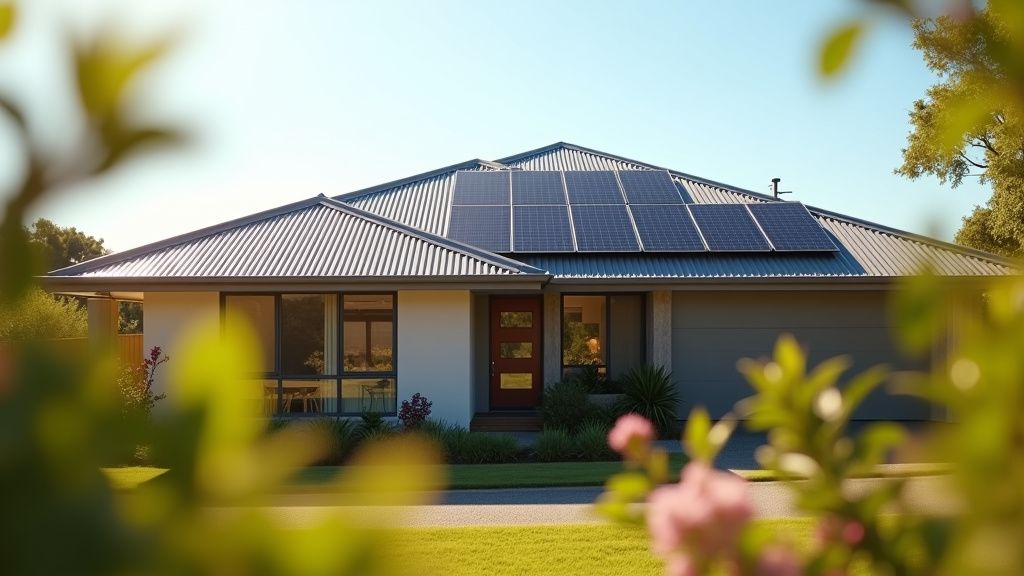
Let's quickly recap the compelling reasons to consider solar power. Installing solar photovoltaic (PV) panels on your roof allows you to generate your own electricity from the sun. This power can then be used to run your household appliances, significantly reducing your reliance on the grid and potentially slashing your electricity bills by hundreds of dollars each year. Any excess power generated can either be stored in a home battery (if you have one) or fed back into the grid. When you feed excess power back into the grid, you often receive a credit on your electricity bill, which can offset your costs even further.
Understanding the Key Incentives
The good news is that both the Australian and NSW Governments offer financial support to make solar more accessible. These incentives work together to lower both the upfront installation costs and ongoing expenses associated with solar power.
Here's a look at the main player:
- The Australian Government's Small-scale Renewable Energy Scheme (SRES): This is the big one! The SRES provides an upfront discount on the cost of your solar PV system. This discount is applied at the point of sale by your solar installer, so you don't have to worry about claiming it back later. The exact amount of the discount depends on the size of your system and the number of Small-scale Technology Certificates (STCs) it's eligible for. Your installer will handle the creation and trading of these certificates. Basically, the larger the system, the greater the discount. This scheme significantly reduces the initial investment, making solar more affordable for homeowners and businesses.
Beyond the Upfront Rebate: Feed-in Tariffs
While the upfront rebate is a significant advantage, it's not the only way to save money with solar. Feed-in tariffs (FiTs) are payments you receive from your electricity retailer for any excess solar power you export back into the grid.

- Feed-in Tariffs: The amount you receive per kilowatt-hour (kWh) of exported electricity varies depending on your electricity retailer and your specific plan. It's worth shopping around to compare different retailers and find the best FiT available. While FiTs might not be as generous as they once were, they still provide a valuable ongoing income stream, further reducing your electricity bills and improving the overall return on investment of your solar system.
Is Solar Right for You? Considerations Before Installing
Before you rush out and sign up for solar, it's essential to assess your suitability. Here are a few key factors to consider:
- Roof Condition: Ensure your roof is in good condition. If it needs replacing in the near future, it's best to address this before installing solar panels, as removing and reinstalling them can be expensive.
- Roof Orientation and Shading: Solar panels work best on roofs that face east, north, or west, as they receive the most sunlight throughout the day. South-facing roofs may not be ideal. Also, check for any shading from trees or buildings, as shade reduces the amount of electricity your panels produce.
- Roof Angle and Space: The angle of your roof affects how much sunlight the panels capture. North-facing roofs with a 30-degree angle are generally optimal. Also, make sure you have enough roof space to accommodate the size of system you need to meet your energy demands.
- Roof Strength: Your roof needs to be strong enough to support the weight of the solar panels and the installation team. A qualified installer will assess your roof's structural integrity.
Finding a Reputable Installer
Choosing the right solar installer is crucial for a successful installation. Get quotes from multiple installers, check their credentials and experience, and read online reviews. A good installer will assess your energy needs, design a system that's right for your home, and handle all the paperwork related to rebates and grid connection. They'll also ensure your system is installed safely and correctly, maximising its performance and lifespan.
Real Savings, Real Impact
Switching to solar is an investment, but it's one that can deliver significant financial and environmental benefits. By understanding the available rebates and incentives, and carefully considering your individual circumstances, you can make an informed decision and unlock the power of the sun for your home in NSW. It has been estimated that a 4-person household with a 6.6kW solar system can save a significant amount each year, while also reducing their carbon footprint substantially.