TL;DR: Solar curtailment is a critical grid stabilization tool used by SA Power Networks and the Australian Energy Market Operator (AEMO). As South Australia's rooftop solar has grown to become the state's largest virtual generator, this article examines the mechanics of remote curtailment, Smarter Homes regulations, and the steps taken to prevent system-wide blackouts.
The Grid Stability Challenge in South Australia
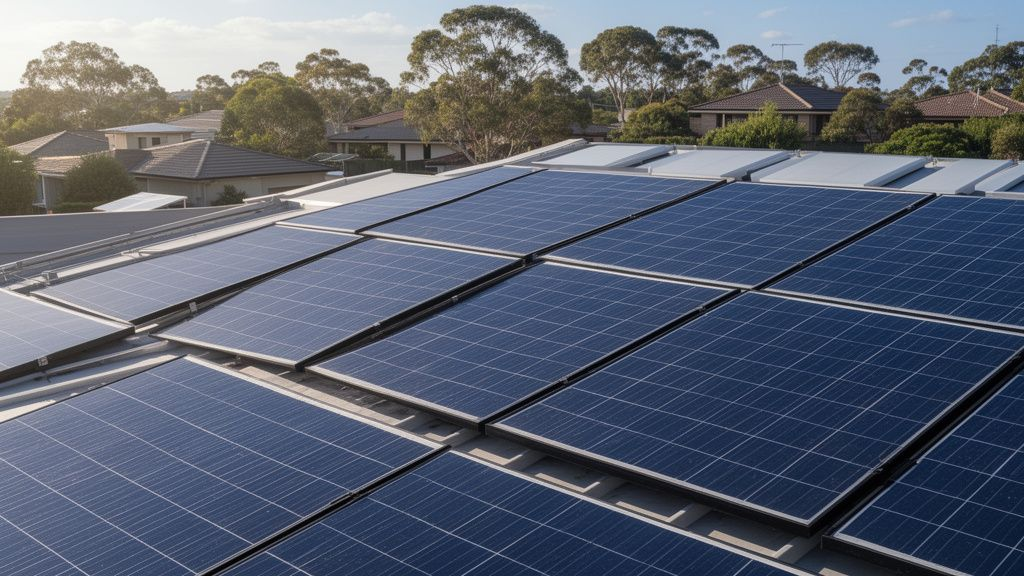
South Australia has some of the highest adoption rates of residential solar in the world, making rooftop solar the single largest generator of electricity in the state. While this represents a major achievement for renewable energy, it presents unique engineering challenges for the physical electrical network. Electricity must be consumed at the exact moment it is generated, whether by home appliances, industrial machinery, or battery storage systems.
On mild, sunny days, rooftop solar systems generate massive amounts of electricity. However, because temperatures are mild, households use very little heating or cooling, resulting in exceptionally low overall energy demand. When huge volumes of solar energy are exported back into a network with low demand, the excess power has nowhere to go. This mismatch between supply and demand can cause grid voltages to rise, threatening system stability and potentially triggering widespread, unplanned outages.
What Exactly is Solar Curtailment?
To safeguard the electricity network during these high-risk periods, the independent Australian Energy Market Operator (AEMO) may direct the local network operator, SA Power Networks, to reduce solar exports. This process is known as solar curtailment. Solar curtailment is the intentional reduction of solar power generated and exported to the grid. It is treated strictly as a last resort, implemented only after AEMO has exhausted all other available grid-balancing options.
To facilitate this, South Australian regulations mandated that all solar inverters installed after September 2020 must have the capability to be turned off remotely. These regulations, introduced under the Smarter Homes framework, allow authorized Relevant Agents and Dynamic Export systems to manage solar systems during grid emergencies.

The Four-Step Shutdown Protocol for Grid Emergencies
When AEMO determines that the electricity network is at risk of instability, it directs SA Power Networks to act. To minimize the impact on everyday consumers, SA Power Networks follows a structured, multi-stage protocol designed to step down generation gradually:
- Utility-Scale Curtailment: The network first shuts down large-scale solar and wind farms connected to the transmission grid.
- Commercial Curtailment: If further reduction is required, large-scale commercial solar systems installed on shopping centers, factories, and warehouses are turned off.
- Managed Rooftop Curtailment: Next, residential solar systems are managed remotely. The system curtails the exporting or generation of home rooftop solar using regulated Relevant Agent and Dynamic Export functions.
- Emergency Voltage Management (EVM): As a final, emergency measure, any remaining unmanaged rooftop solar systems are forced to trip offline by raising the network voltage to trigger the inverters' built-in safety shut-offs.
Most residential customers will not notice when their solar systems are being curtailed. SA Power Networks has automated systems in place to confirm when the grid has stabilized and to safely bring curtailed systems back online.
Key Takeaways
- Rooftop Solar Dominance: South Australia's rooftop solar network is the largest power generator in the state, requiring active management to prevent grid imbalances.
- Last-Resort Safeguard: Solar curtailment is a controlled, temporary reduction of solar exports used by AEMO and SA Power Networks to prevent widespread outages.
- Inverter Mandates: Since September 2020, all newly installed inverters in South Australia must support remote management under Smarter Homes regulations.
- Structured Response: Curtailment protocols prioritize shutting down large utility and commercial generators before affecting residential systems.