"# Unpacking Portable Power Stations: Your Guide to Smarter Off-Grid Power in Australia
Ah, the call of the great outdoors! Whether you're chasing sunsets in a campervan, casting a line from your boat, exploring remote campsites, or simply seeking a reliable home backup, the desire to stay connected and powered up remains. From keeping your phone charged to running a portable fridge or even a CPAP machine, having access to electricity can transform your experience.
If you're looking to charge all your essential devices on the go without the nagging worry of depleting batteries, portable power stations (PPS) are quickly becoming an indispensable piece of gear for many Australians. To ensure you're making the most informed decision for your needs, dive deeper into common pitfalls and expert tips with our Complete Guide.
But first, let's break down what these versatile units are and the key standards you should understand before investing in one.
What Exactly is a Portable Power Station?
At its core, a portable power station is a large-capacity, rechargeable battery unit designed to provide versatile power wherever you need it. Think of it as a super-sized, highly sophisticated power bank, but capable of running much larger and more energy-intensive appliances. Unlike traditional fuel generators, a PPS operates silently, emits no fumes, and requires minimal maintenance.
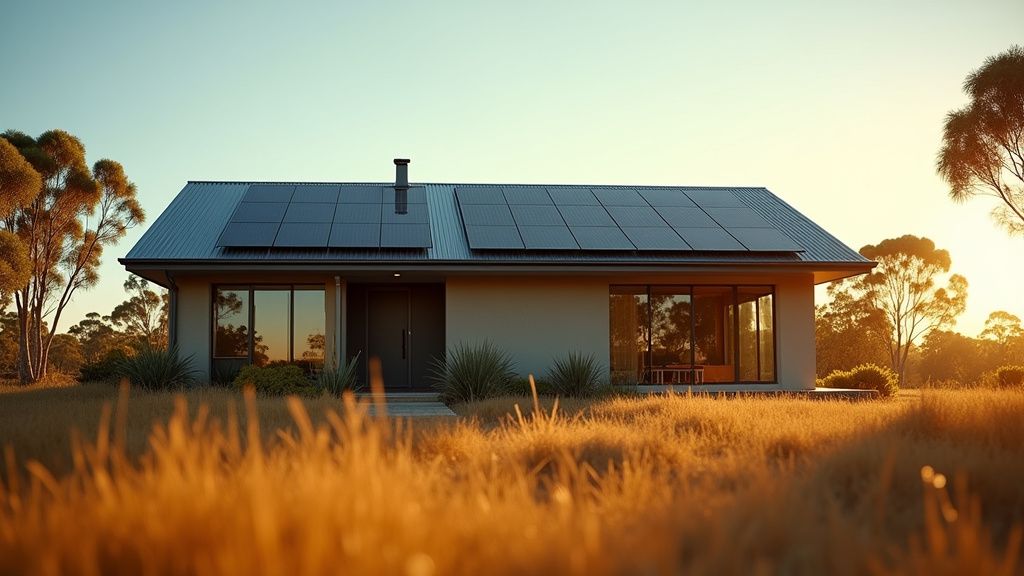
While often integrated with solar panels to form a "solar generator" system – converting sunlight directly into storable electricity – a PPS itself is the hub that stores this energy. It can be recharged from multiple sources: solar panels, a standard AC wall outlet, a vehicle's 12V DC carport, or even another generator.
Why a PPS is Perfect for Australian Adventures (and Home Backup)
These units offer a multitude of advantages that resonate particularly well with the Australian lifestyle:
- Convenience & Portability: Designed to be easily transportable, they bring power to remote locations.
- Low Noise Operation: Unlike noisy petrol generators, PPS units run silently, preserving the peace of nature or your home environment.
- Low Maintenance: No fuel to store, no engine oil to check – just charge and go.
- Sustainability: When paired with solar panels, they offer a clean, renewable energy solution, reducing your carbon footprint.
- Safety: Modern PPS units incorporate advanced battery management systems for safe and reliable power delivery.
Decoding the Standards: Key Specifications to Look For
Understanding the specifications of a portable power station is crucial to matching it with your power needs. Here are the essential terms and features to consider:
-
Battery Capacity (Watt-hours - Wh or Kilowatt-hours - kWh): This is perhaps the most fundamental specification, indicating how much energy the battery can hold. Measured in Watt-hours (Wh) or Kilowatt-hours (kWh, where 1 kWh = 1000 Wh), capacity determines how long a PPS can power your devices.
- Example: A 1000 Wh PPS could power a 100W device for approximately 10 hours (1000 Wh / 100W = 10 hours).
- Higher capacity means longer run times for your appliances. For basic camping needs like charging phones and lights, a smaller capacity (e.g., 500 Wh) might suffice. For running a portable fridge for days or powering home appliances during an outage, you'll need a much larger capacity (e.g., 2000 Wh or more).
-
Output Power (Continuous & Peak Surge): This refers to the amount of power the PPS can deliver to your devices.

- Continuous Power: This is the maximum wattage the unit can supply constantly without overheating or shutting down. It's vital to ensure this figure is higher than the combined continuous wattage of all devices you plan to run simultaneously.
- Peak Power (or Surge Power): Many appliances with electric motors (like fridges, pumps, or power tools) require a brief, much higher surge of power when they first start up. The peak power rating indicates the maximum wattage the PPS can sustain for a short period.
- Rule of Thumb: As a good safety margin, the continuous output power of the PPS's inverter should ideally be at least 25% higher than the total continuous power required by all appliances running at the same time.
-
AC & DC Outputs: Portable power stations typically offer a variety of output ports to accommodate different devices:
- AC Outlets: These are your standard household power points, providing Alternating Current (AC) – just like your wall sockets at home. They're essential for powering most small appliances, laptops, and chargers.
- DC Outlets: These provide Direct Current (DC). Common types include 12V carports (often used for portable fridges, air compressors, or other car accessories) and USB ports (Type-A and Type-C) for charging phones, tablets, and other small electronics.
- The more diverse the output ports, the more versatile your PPS will be.
-
Battery Chemistry & Lifespan (Charge Cycles): While the research didn't detail specific chemistries, most quality portable power stations today utilise lithium-ion batteries, with Lithium Iron Phosphate (LiFePO4) being a popular choice for its longevity and safety.
- Charge Cycles: This indicates the expected lifespan of the battery. One charge cycle is completed when the battery is fully charged and then fully discharged. A higher number of charge cycles (e.g., 2500-3500+ cycles to 80% capacity) signifies a longer-lasting battery. This figure often has a more significant impact on battery life than the simple passage of time.
-
Recharging Flexibility: A good PPS offers multiple ways to replenish its energy:
- Solar Panels: The most sustainable option, allowing you to recharge using the sun's energy, ideal for off-grid scenarios.
- AC Wall Outlet: The fastest way to charge from grid power.
- Vehicle 12V DC Port: Convenient for topping up while driving.
- Gas Generator: An option for faster charging when solar or grid power isn't available.
- Some advanced units even allow simultaneous charging from multiple sources (e.g., solar and AC) for even faster replenishment.
Beyond the Basics: Smart Features
Modern portable power stations aren't just about raw power; they also come with intelligent features that enhance usability:
- Fast Recharging Technology: Allows the unit to be fully recharged in a remarkably short time.
- Intuitive Displays: Clear screens that show input wattage, output wattage, remaining battery capacity, and charging status.
- Remote Management Apps: Some units can be monitored and controlled via smartphone apps, providing real-time data and settings adjustments.
Making the Right Choice for Your Australian Lifestyle
Choosing the right portable power station involves balancing your specific needs with these technical standards. Consider:
- What devices do you need to power? (List them and find their wattage requirements).
- How long do you need to power them? (This will determine capacity).
- Where will you be using it? (Influences portability, recharging options).
- What's your budget? (Higher capacity and advanced features typically mean a higher investment).
By understanding these core standards and features, you're well-equipped to select a portable power station that will reliably fuel your adventures and provide peace of mind, whether you're deep in the Australian bush or navigating a local power outage. Invest wisely, and enjoy the freedom of portable power!