TL;DR: Australian homeowners have access to various state-based incentives and federal fringe benefits tax exemptions that can significantly reduce the upfront cost of installing an EV charger. These programs typically offer rebates of several hundred dollars, making home charging more affordable and accelerating EV adoption.
What EV Charger Incentives Are Available to Australian Homeowners?
Australian homeowners can benefit from a patchwork of state and territory government incentives designed to encourage the uptake of electric vehicles and associated charging infrastructure. While there isn't a single overarching federal rebate program specifically for home EV chargers, states like New South Wales, Victoria, and South Australia have offered substantial financial assistance. These incentives often target both the purchase of an EV and the installation of a dedicated home charging unit, recognising the convenience and necessity of reliable home charging for EV owners. These programs are dynamic and can change, so checking current state government websites is always the best first step. Federally, the FBT exemption for eligible EVs can indirectly free up funds that might be put towards home charging, but it's not a direct charger rebate.
State-Specific EV Charger Rebates for Homeowners
Several Australian states have implemented programs to lower the cost of installing an EV charger at home. For example, New South Wales previously offered a rebate of $2,000 for new EVs and supported a $800 rebate for the purchase and installation of smart home chargers through specific programs, though these particular rebates are now closed. Victoria has also historically offered rebates for new zero-emissions vehicles, indirectly supporting the ecosystem that includes home charging. South Australia's Electric Vehicle Smart Charging Trial offered eligible participants up to $2,000 towards the cost of a smart charger and its installation. It's crucial for homeowners to consult their specific state or territory government's energy or transport department websites for the most current and active schemes, as eligibility criteria and funding limits vary and programs are frequently updated or replaced. These rebates typically aim to offset a significant portion of the charger's hardware and installation cost, which can range from $1,000 to $2,500 depending on the unit and electrical work required.
Indirect Federal Support for EV Charging Costs
While direct federal rebates for home EV chargers are not currently available, the Australian Government offers indirect support that can alleviate the financial burden for EV owners. The most notable is the Electric Car Discount, which exempts eligible electric vehicles from Fringe Benefits Tax (FBT) if they are provided through an employer, salary sacrifice arrangement, or novated lease. This exemption significantly reduces the overall cost of EV ownership for many Australians, potentially freeing up household funds that can then be allocated towards purchasing and installing a home charging station. This indirect saving can be substantial, making the transition to an EV, and the necessary home charging infrastructure, a more financially viable option for a broader range of households across the country.
How Can Australian Homeowners Access These EV Charger Incentives?
Accessing EV charger incentives in Australia typically involves a structured application process that varies by state and specific program, but generally requires meeting certain eligibility criteria and submitting documentation. The first step is always to research the current schemes available in your state or territory, as incentives are often time-limited or subject to funding caps. Once a relevant program is identified, homeowners will usually need to demonstrate ownership of an eligible electric vehicle, reside at the property where the charger will be installed, and often engage with an approved or licensed electrician for the installation. Most programs require the charger to be a new installation, not a replacement, and may specify particular 'smart' charger models or types.
Common Eligibility Requirements for EV Charger Rebates
To qualify for an EV charger incentive, homeowners generally need to meet several key criteria. Firstly, you must typically be a resident of the state or territory offering the rebate and be installing the charger at your primary place of residence. Ownership or a long-term lease of an eligible electric vehicle is almost always a prerequisite, as the incentives are designed to support EV adoption. Some programs may also specify the type of EV charger, often requiring it to be a Level 2 (240V) 'smart' charger that can manage charging times and integrate with energy grids. Crucially, the installation must usually be carried out by a licensed electrician, and compliance with all relevant electrical standards and regulations is a must. Proof of purchase and installation, including invoices and electrician details, will be required for reimbursement.
Steps to Apply for Home EV Charger Incentives
Applying for a home EV charger incentive usually follows a clear process. Once you've confirmed your eligibility for a specific state-based program, the typical steps involve: 1) Purchasing an eligible EV charger, often from an approved list if the program specifies; 2) Arranging for a licensed electrician to install the charger at your home, ensuring all safety and regulatory requirements are met; 3) Gathering all necessary documentation, which typically includes proof of purchase for the EV and the charger, the electrician's invoice, and a certificate of electrical safety; and 4) Submitting your application through the relevant government portal or agency, attaching all supporting documents. It's vital to keep copies of all paperwork and to adhere strictly to the application deadlines and guidelines to ensure your claim is processed successfully.

What Are the Financial Benefits of Utilising These Incentives?
Utilising EV charger incentives significantly reduces the initial outlay for home charging infrastructure, making the transition to electric vehicles more financially attractive for Australian homeowners. With a typical high-quality home EV charger and its professional installation costing anywhere from $1,000 to $2,500, a state government rebate of $800 to $2,000 can effectively halve or even cover most of the upfront cost. This substantial saving directly improves the payback period for investing in an EV, as convenient home charging removes reliance on more expensive public charging networks. Furthermore, by integrating your EV charger with a home solar system, these financial benefits are amplified, allowing you to charge your vehicle using free, renewable energy generated on your roof.
Real-World Cost Savings on Home EV Charger Installation
The real-world cost savings from EV charger incentives can be substantial. For example, if a homeowner in a state like South Australia could access a $2,000 rebate towards a smart charger and its installation, and the total cost of the project was $2,200, their out-of-pocket expense would be reduced to just $200. This dramatically lowers the barrier to entry for many households considering an EV. Even a more modest $800 rebate for a $1,500 installation brings the cost down to $700. These savings are not just theoretical; they directly impact household budgets, freeing up funds that can be used elsewhere or accelerating the financial benefits of owning an EV by reducing the initial capital expenditure required for the essential charging infrastructure.
Maximising Value by Integrating with Solar Power
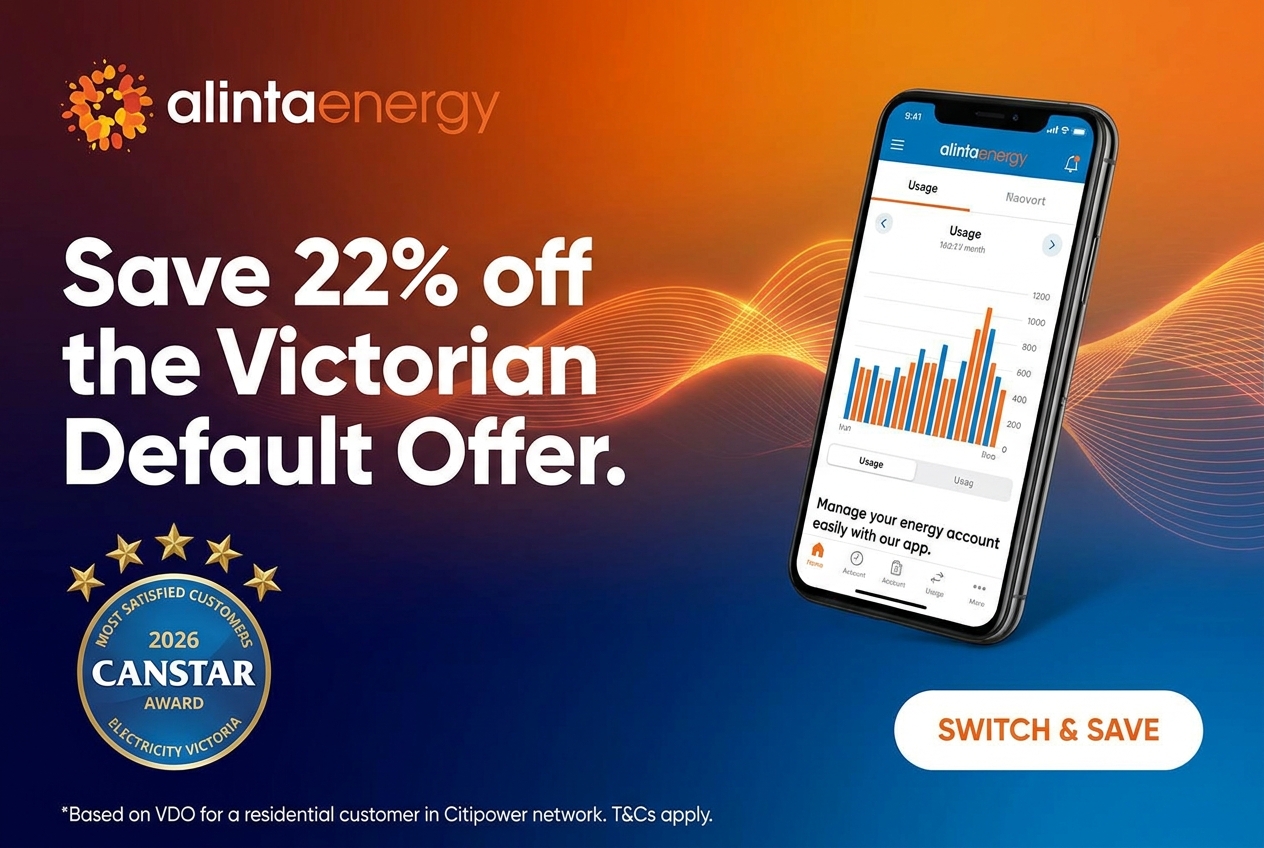
The financial benefits of EV charger incentives are greatly enhanced when combined with a home solar power system. By installing an EV charger and powering it with your own rooftop solar, you can charge your electric vehicle for free during daylight hours, drastically cutting down on your electricity bills and fuel costs. A typical EV battery of 60kWh might cost around $15-$20 to fully charge using grid power at average Australian electricity rates (e.g., $0.30/kWh). With solar, this cost becomes zero. The initial investment in both solar and an EV charger, while significant, becomes a powerful synergy, providing long-term energy independence and massive operational savings. The incentives help reduce the upfront hurdle for the charger, making the combined solar-EV setup even more accessible and financially rewarding over the lifespan of your vehicle and solar system.
Key Takeaways
- Research state and territory government websites for current EV charger incentives in your specific region, as programs vary and are updated frequently.
- Be prepared to meet specific eligibility criteria, including EV ownership and professional installation by a licensed electrician.
- Incentives can significantly reduce the upfront cost of a home EV charger, potentially cutting the expense by hundreds or thousands of dollars.
- Maximize your savings by integrating your EV charger with a home solar system to charge your vehicle using free, renewable energy.
Read More
For a comprehensive overview, check out our master guide: Read the Full Guide Here.