SolarInsights: Your Ultimate Guide to NSW Solar Rebates & Incentives in 2026
G'day, solar enthusiasts! Here at SolarInsights, we know you're keen to make the switch to cleaner, cheaper energy. New South Wales is committed to a greener future, aiming for a 70% emissions reduction by 2035 and net-zero by 2050. Luckily, a range of rebates and incentives are available to help you make the transition. So, what can you expect in 2026? Let's dive in!
Before we get started, make sure you're not missing out! Check out our Complete Guide for a comprehensive list of potential savings!
Federal Government Incentives: STCs Still Delivering Savings
Even in 2026, the Federal Government's Small-scale Renewable Energy Scheme (SRES) will continue to offer significant upfront cost reductions on your solar system through Small-scale Technology Certificates (STCs). This scheme is being gradually phased out toward 2030, meaning the number of STCs you receive will decrease each year. Therefore, installing sooner rather than later will maximize your savings from this incentive.
The STC value fluctuates depending on market conditions, but it effectively lowers the initial price of your solar installation. This is applied as a point-of-sale discount, so you don't need to worry about claiming it yourself!
NSW Initiatives: Peak Demand Reduction Scheme (PDRS) & ESS
NSW is committed to providing incentives to support the adoption of Solar + Battery, and reduce stress on the electrical grid. As of November 2024, the Peak Demand Reduction Scheme (PDRS) offers significant support for battery installations to manage peak energy demand.
The NSW government also continues to support the Energy Savings Scheme (ESS) which encourages energy efficiency measures, including solar installations. This scheme works by allowing accredited certificate providers to create certificates for eligible installations, which can then be sold to energy retailers, effectively lowering the cost of solar.
To check your eligibility requirements for both the ESS and the PDRS, you can use the NSW government's eligibility tool.
Feed-in Tariffs: Earning Credits for Excess Energy
While NSW doesn't have a mandated minimum feed-in tariff (FiT), you can still earn credits on your electricity bill by exporting excess solar power back to the grid. The rate you receive depends on your chosen energy retailer, so it's worth shopping around to find the most competitive offer. These rates have generally declined over the years.
Think of it as getting paid for the power you generate but don't use! A smart way to reduce your overall energy costs. Look at this comprehensive guide to NSW FiT rates.

Understanding the Costs & Savings: A Realistic Example
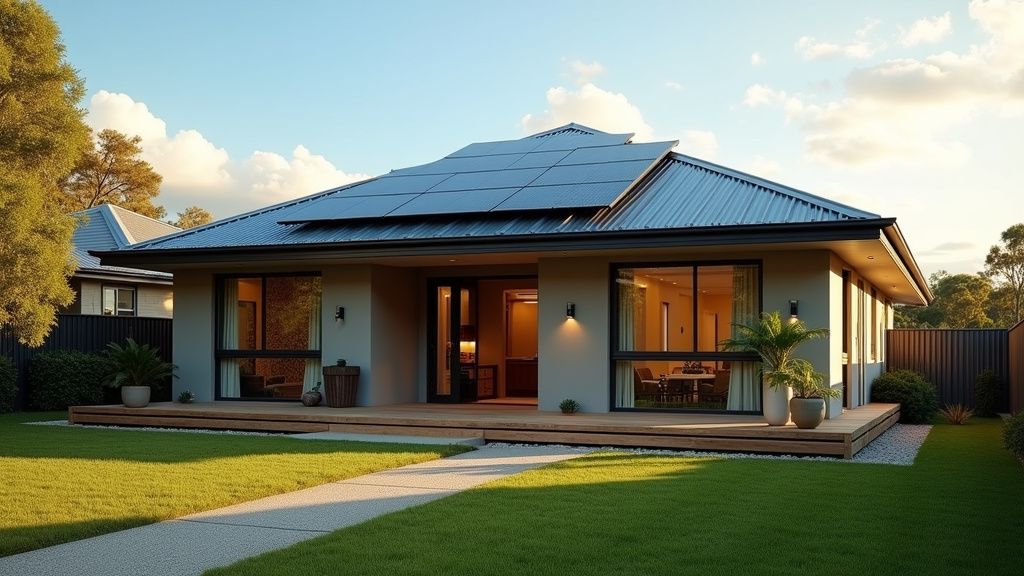
A typical 6.6kW solar system in NSW currently costs approximately $2,300 to $2,500 annually, depending on your location and the current STC market value. With these savings, the payback period for your investment is usually around 4–5 years. Larger systems and battery storage can further boost your long-term savings by maximizing self-consumption and minimizing your reliance on the grid.
A 6.6kW system can often cover over 70% of an average household's electricity usage, which translates to significantly lower energy bills!
Remember, the exact savings will depend on several factors, including your energy consumption habits, the size of your solar system, and the feed-in tariff rate you secure with your energy retailer.
Local Council Rebates: Don't Miss Out!
Many local councils in NSW offer additional rebates and incentives to encourage residents to embrace renewable energy. For example, Randwick City Council currently offers sustainability rebates to support residents in adopting renewable energy solutions. It's highly recommended that you check with your local council to see what programs are available in your area. These can be a great bonus on top of the existing state and federal incentives.
Programs That Have Ended: What to Consider
It's important to note that some NSW solar programs, such as the Solar for Low Income Households program and the Rebate Swap for Solar offer, have closed. However, don't be discouraged! The existing federal and state incentives still provide substantial financial support for going solar.
Smart Distributed Batteries Project
Launched in August 2020, the Smart Distributed Batteries Project offers a significant discount on Tesla Powerwall 2 installations for eligible homeowners and businesses in specific NSW council areas. While installations are set to be completed by the end of 2025, some regions may still be eligbile. This initiative aims to develop a Virtual Power Plant (VPP) to enhance the NSW electricity network and reduce consumer electricity costs. Contact your local solar installer for more information.
Final Thoughts
Investing in solar power in NSW remains a smart financial and environmental decision. While the specific details of rebates and incentives may evolve over time, the long-term benefits of reduced energy bills, increased energy independence, and a smaller carbon footprint are undeniable.
Do your research, compare quotes from reputable installers, and take advantage of the available support to make the switch to solar in 2026! And as always, stay tuned to SolarInsights for the latest updates and expert advice on all things solar.